
How “Digital Twins” are Saving Cities Billions in Maintenance Costs

Singapore and the Philippines are both under pressure to keep urban infrastructure reliable while controlling lifecycle costs. Dense transport networks, coastal exposure, aging water assets, high-rise buildings, and climate-related stress all push maintenance budgets upward. This is where digital twins have moved from pilot projects into practical operational tools. A digital twin is not just […]
The Convergence of AI and 3D Printing: Automating On-Demand Manufacturing
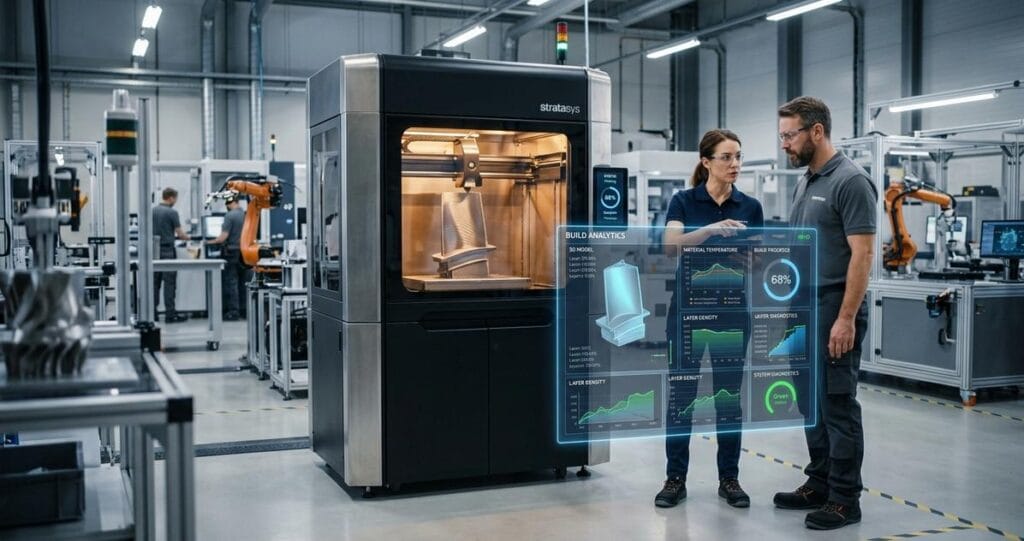
For manufacturers in Singapore and the Philippines, the pressure to shorten lead times, localize supply chains, and produce smaller batch sizes is reshaping how production is designed and executed. AI and 3D printing sit at the center of that shift because they solve two persistent problems at once: how to make parts faster and how […]
Why Your 2026 Tech Stack Must Be “Quantum-Ready” to Avoid Obsolescence

For business leaders in Singapore and the Philippines, the phrase quantum-ready can sound premature until you map it against procurement cycles, regulated data retention, and the long lifespan of enterprise systems. Core platforms in banking, insurance, logistics, healthcare, public services, and B2B commerce are often deployed for five to ten years, while cryptographic assumptions inside […]
The Return of the “Dumb Phone”: Why Gen Alpha is Rejecting Hyper-Connectivity
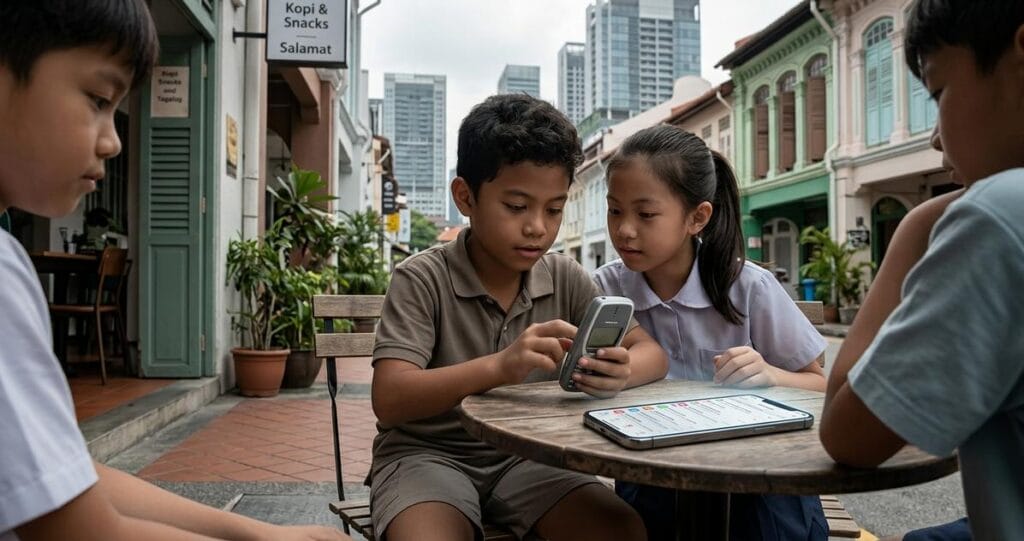
In Singapore and the Philippines, where mobile-first behavior shapes commerce, education, and social life, the rise of the so-called dumb phone is not a nostalgic anomaly. It is a signal that younger users are reassessing the cost of always-on connectivity. For Gen Alpha, who are growing up alongside algorithmic feeds, rapid app-switching, and constant notifications, […]
How Quantum Computing Will Revolutionise Pharmaceutical Drug Discovery

Pharmaceutical discovery is entering a phase where classical computing is beginning to hit structural limits. For research teams in Singapore and the Philippines, this matters because both markets are building stronger life sciences, biotech, and health innovation ecosystems while competing for faster routes from target identification to clinical translation. Quantum computing will not replace molecular […]
The Future of Work: How Humanoid Robots and AI Agents Co-exist in 2026
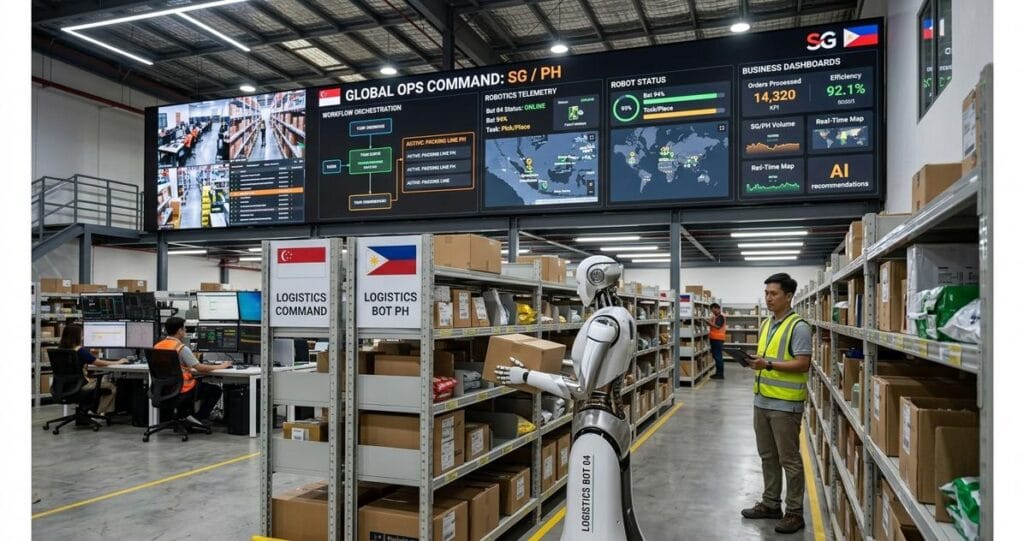
By 2026, the workplace in Singapore and the Philippines will not be defined by a single wave of automation. It will be shaped by two very different classes of machine labor working side by side: humanoid robots handling physical tasks in structured environments, and AI agents coordinating information work across systems, teams, and customer channels. […]
Structuring a Website for AI Discovery and Citations
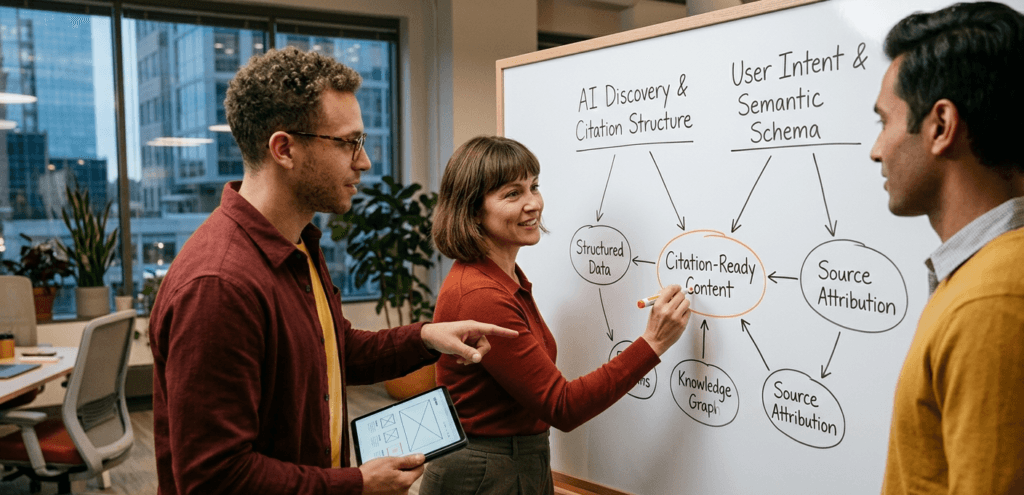
Successful implementation of any of the aforementioned principles would improve a website’s effectiveness as a source of discovery, citation, and exploration for AI research. Together, however, these principles provide a foundation for the comprehensive, semantically and structurally rich site that such systems require. Designing a website according to the principles articulated here ensures that the […]
Opinion: Why We Must Regulate “Autonomous Agents” Before They Control the Economy
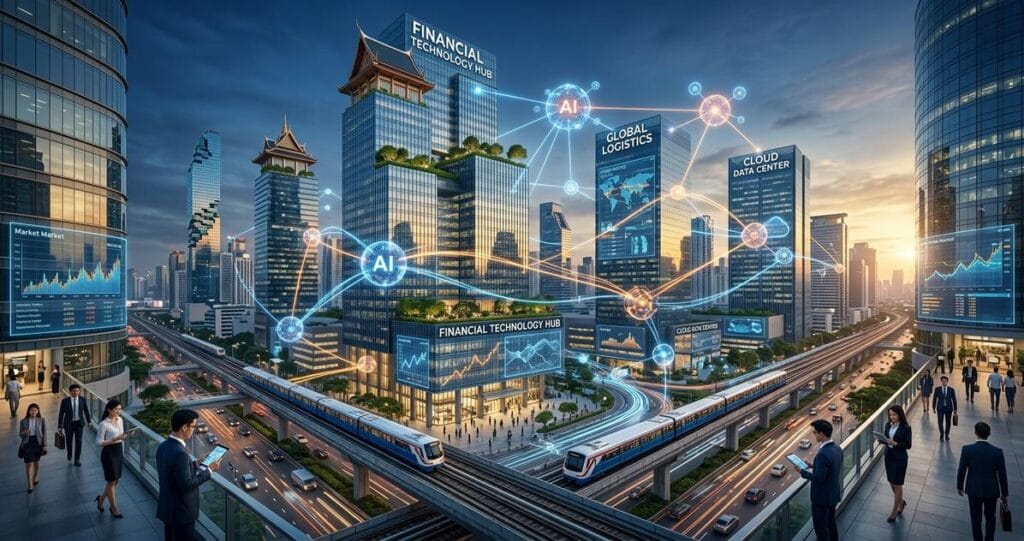
Autonomous agents are moving from novelty to infrastructure. In Singapore and the Philippines, that shift matters because both markets are actively digitizing finance, logistics, customer operations, public services, and cross-border trade. When an agent can schedule purchases, negotiate pricing, trigger API calls, manage workflows, and optimize spending without a human approving each step, it stops […]
Why Carbon-Neutral Data Centres are No Longer Optional for Tech IPOs
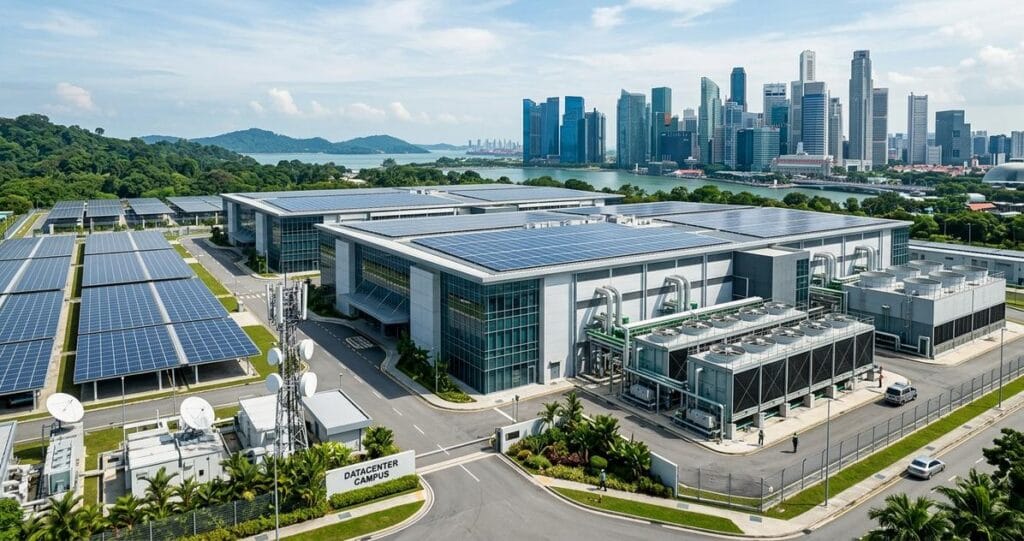
For tech companies preparing to list in Singapore, the Philippines, or through regional capital markets, the data centre strategy behind their cloud and AI workloads is now part of the IPO story. Investors, regulators, enterprise customers, and underwriters are increasingly evaluating whether growth can scale without exposing the business to energy volatility, carbon reporting gaps, […]
The Impact of Starlink and Satellite Internet on Global 6G Adoption

For technology leaders in Singapore and the Philippines, the conversation around 6G is no longer limited to terrestrial spectrum, fiber backhaul, or dense urban small-cell planning. Satellite internet, led by constellations such as Starlink, is reshaping the deployment assumptions behind next-generation networks by extending connectivity into maritime routes, remote islands, disaster-prone regions, and logistics corridors […]