
How 6G Connectivity is Making “Tele-Surgery” a Global Reality

Tele-surgery has moved from experimental robotics into the center of next-generation healthcare strategy, and 6G connectivity is the networking layer that can make it viable at scale. For Singapore and the Philippines, where advanced hospital systems, distributed islands, specialist shortages, and regional healthcare hubs create very different but equally demanding operating conditions, the implications are […]
Why “Ambient Computing” Means You’ll Never Have to Type a Command Again

For business leaders in Singapore and the Philippines, ambient computing is not a consumer novelty. It is a practical shift in how people interact with software, devices, and operational workflows. Instead of opening an app, typing a command, or navigating layered menus, users will increasingly rely on systems that understand context, infer intent, and act […]
The Role of AI in Managing the 2026 Global Energy Transition

Energy transition is no longer a strategy discussion reserved for utilities and policymakers. For Singapore and the Philippines, it is now a board-level operational issue that affects grid reliability, industrial competitiveness, carbon reporting, procurement, and capital planning. Singapore is pushing hard on electrification, regional power imports, hydrogen feasibility, and tighter carbon rules, while the Philippines […]
How “Digital Twins” are Saving Cities Billions in Maintenance Costs

Singapore and the Philippines are both under pressure to keep urban infrastructure reliable while controlling lifecycle costs. Dense transport networks, coastal exposure, aging water assets, high-rise buildings, and climate-related stress all push maintenance budgets upward. This is where digital twins have moved from pilot projects into practical operational tools. A digital twin is not just […]
The Convergence of AI and 3D Printing: Automating On-Demand Manufacturing
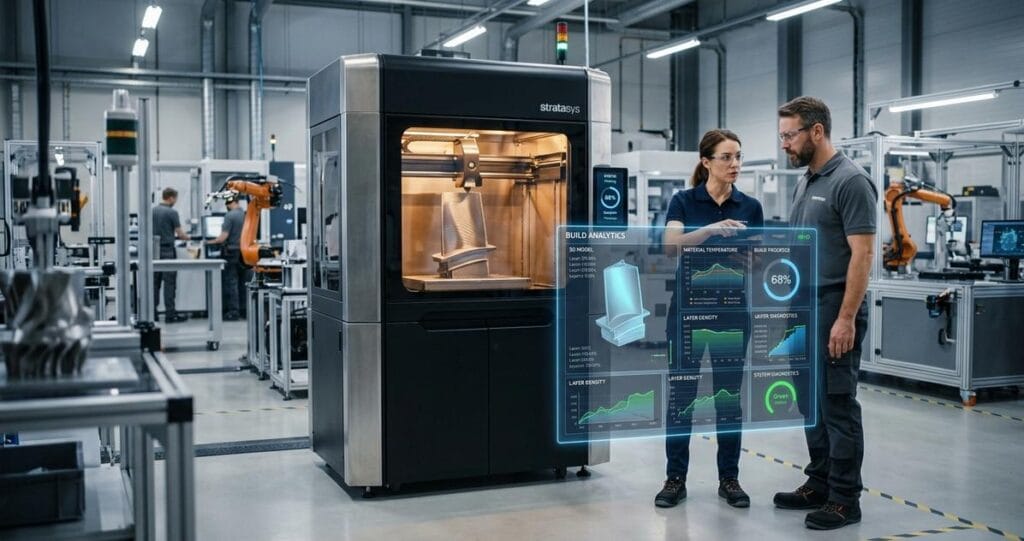
For manufacturers in Singapore and the Philippines, the pressure to shorten lead times, localize supply chains, and produce smaller batch sizes is reshaping how production is designed and executed. AI and 3D printing sit at the center of that shift because they solve two persistent problems at once: how to make parts faster and how […]
Why Your 2026 Tech Stack Must Be “Quantum-Ready” to Avoid Obsolescence

For business leaders in Singapore and the Philippines, the phrase quantum-ready can sound premature until you map it against procurement cycles, regulated data retention, and the long lifespan of enterprise systems. Core platforms in banking, insurance, logistics, healthcare, public services, and B2B commerce are often deployed for five to ten years, while cryptographic assumptions inside […]
The Return of the “Dumb Phone”: Why Gen Alpha is Rejecting Hyper-Connectivity

In Singapore and the Philippines, where mobile-first behavior shapes commerce, education, and social life, the rise of the so-called dumb phone is not a nostalgic anomaly. It is a signal that younger users are reassessing the cost of always-on connectivity. For Gen Alpha, who are growing up alongside algorithmic feeds, rapid app-switching, and constant notifications, […]
How Quantum Computing Will Revolutionise Pharmaceutical Drug Discovery

Pharmaceutical discovery is entering a phase where classical computing is beginning to hit structural limits. For research teams in Singapore and the Philippines, this matters because both markets are building stronger life sciences, biotech, and health innovation ecosystems while competing for faster routes from target identification to clinical translation. Quantum computing will not replace molecular […]
The Future of Work: How Humanoid Robots and AI Agents Co-exist in 2026
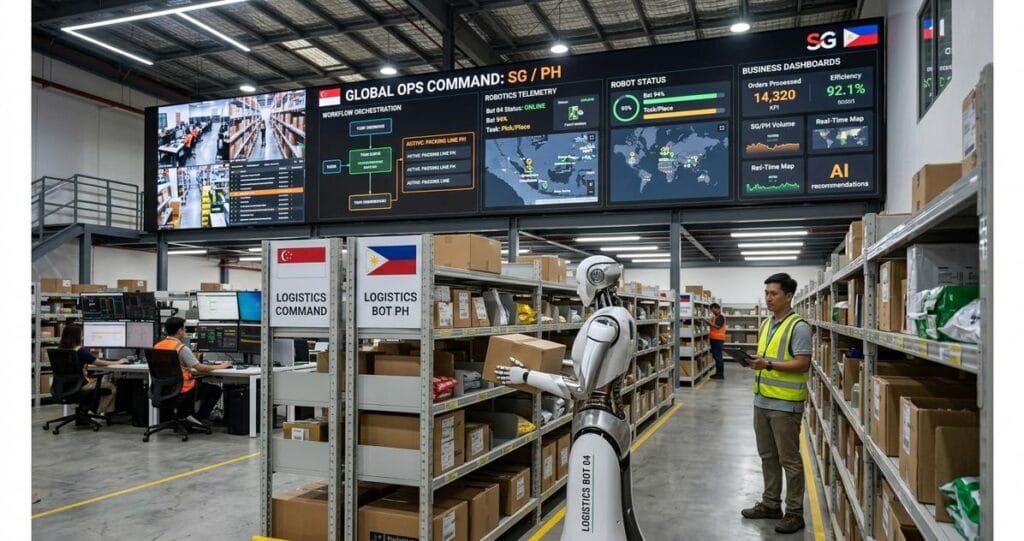
By 2026, the workplace in Singapore and the Philippines will not be defined by a single wave of automation. It will be shaped by two very different classes of machine labor working side by side: humanoid robots handling physical tasks in structured environments, and AI agents coordinating information work across systems, teams, and customer channels. […]
Structuring a Website for AI Discovery and Citations

Successful implementation of any of the aforementioned principles would improve a website’s effectiveness as a source of discovery, citation, and exploration for AI research. Together, however, these principles provide a foundation for the comprehensive, semantically and structurally rich site that such systems require. Designing a website according to the principles articulated here ensures that the […]