
The Impact of 6G on Video Ad Load Times and Interaction Rates
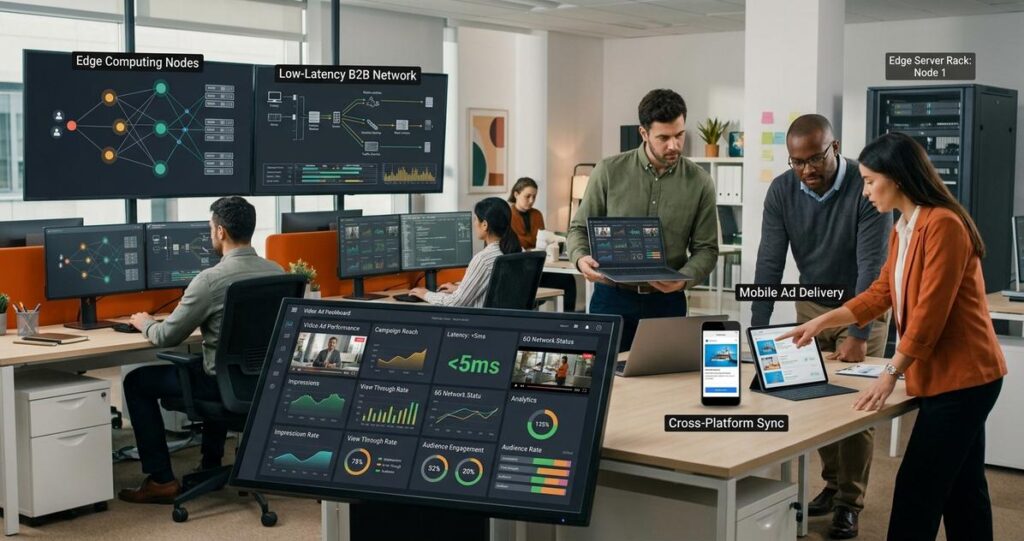
For advertisers operating in Singapore and the Philippines, video is no longer just a high-attention format, it is often the default format for performance campaigns, social commerce, OTT placements, and connected TV buys. The shift toward mobile-first consumption in both markets has already made latency a commercial issue, because every extra second in ad load […]
How Technology is Bridging the Gap Between Science Fiction and 2026 Reality
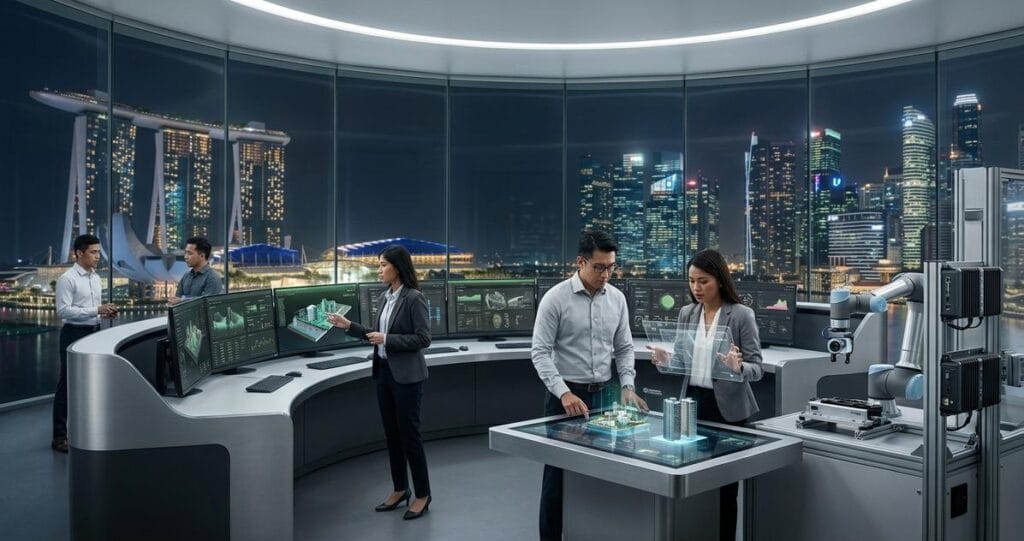
What once looked like speculative fiction is now entering procurement plans, architecture roadmaps, and regulatory hearings. In Singapore and the Philippines, this shift is especially visible because both markets combine dense urban infrastructure, mobile-first consumers, and strong demand for digital resilience. Enterprises are no longer asking whether technologies such as AI agents, digital twins, computer […]
The 2026 Guide to Decentralised Physical Infrastructure Networks (DePIN)

Decentralised Physical Infrastructure Networks, or DePIN, are moving from crypto-native theory into practical infrastructure strategy, and that matters for Singapore and the Philippines for very different reasons. Singapore is pushing toward sensor-rich urban systems, industrial automation, and trusted digital infrastructure, while the Philippines continues to face persistent gaps in connectivity, logistics visibility, energy access, and […]
The Impact of 6G on the Metaverse: Is High-Fidelity Presence Finally Possible?
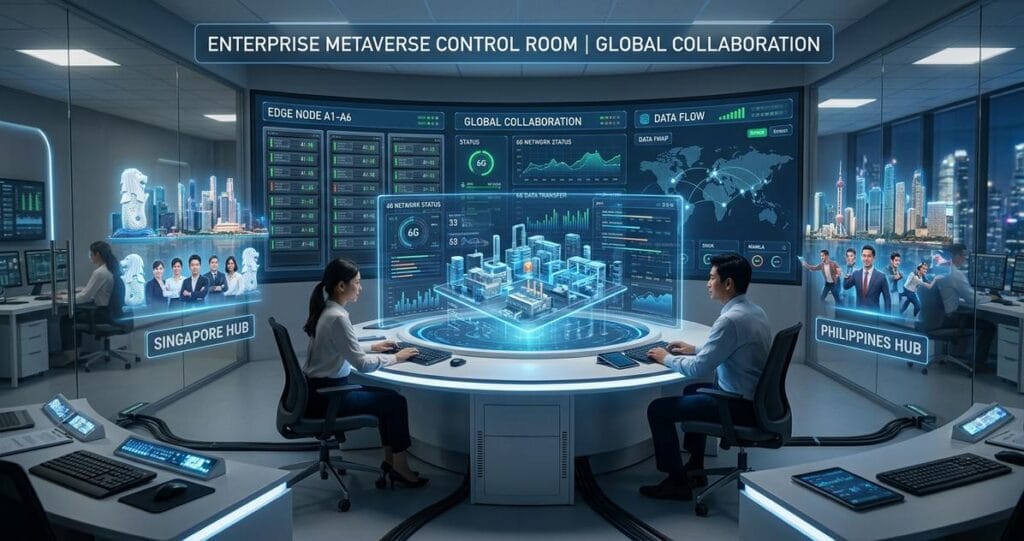
For business leaders in Singapore and the Philippines, the metaverse has moved beyond a consumer buzzword and into a practical conversation about distributed work, customer engagement, industrial simulation, and digital commerce. Yet one of the main blockers has remained consistent: today’s connectivity stack still struggles to deliver the level of responsiveness, synchronisation, and visual consistency […]
The Future of Transportation: Autonomous 6G-Connected VTOL Aircraft
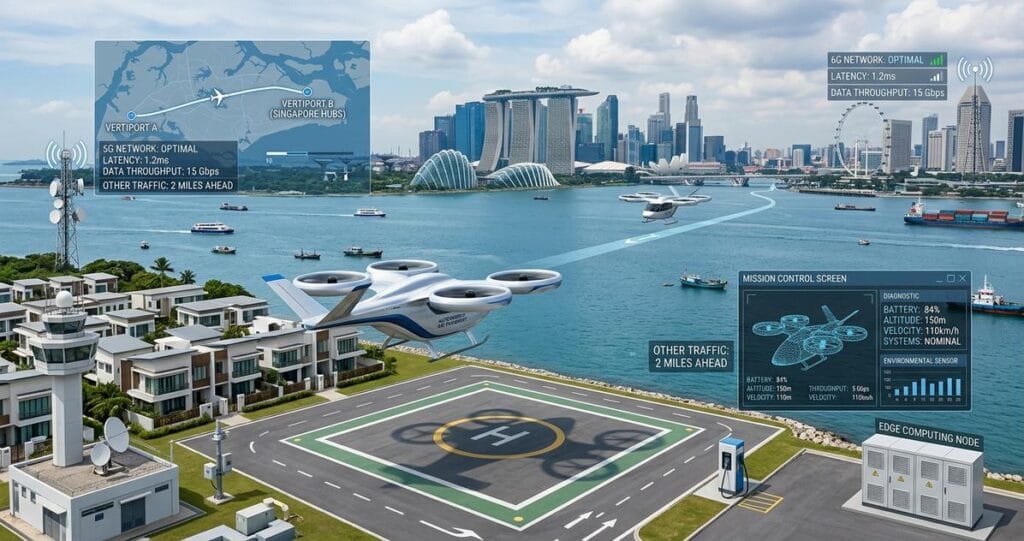
Transportation leaders in Singapore and the Philippines are watching a convergence that could change regional mobility faster than traditional road or rail expansion: autonomous vertical takeoff and landing aircraft connected to 6G networks. For compact, high-density cities like Singapore, and archipelagic networks like the Philippines, VTOL aircraft offer a practical path to bypass congestion, shorten […]
How 6G Connectivity is Making “Tele-Surgery” a Global Reality
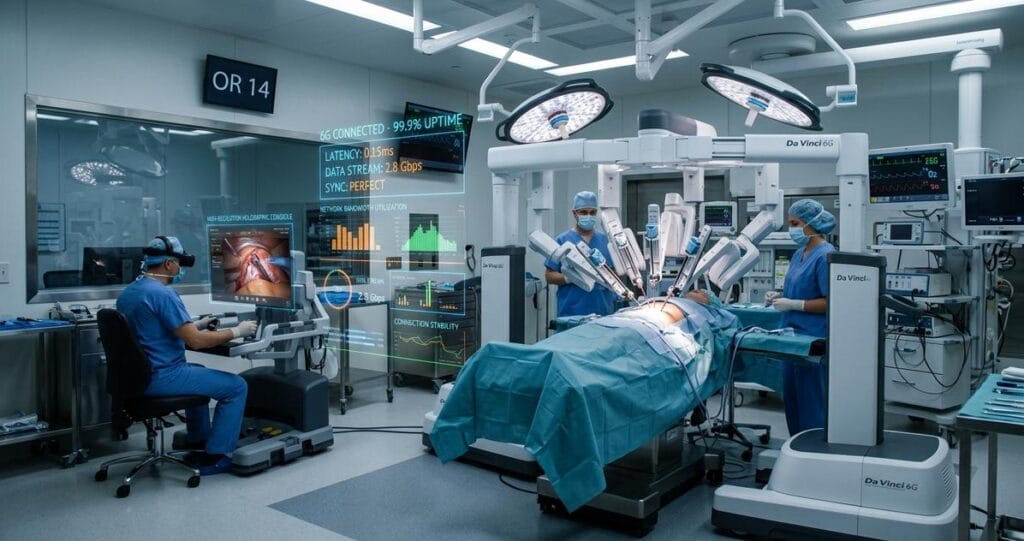
Tele-surgery has moved from experimental robotics into the center of next-generation healthcare strategy, and 6G connectivity is the networking layer that can make it viable at scale. For Singapore and the Philippines, where advanced hospital systems, distributed islands, specialist shortages, and regional healthcare hubs create very different but equally demanding operating conditions, the implications are […]
Why “Ambient Computing” Means You’ll Never Have to Type a Command Again

For business leaders in Singapore and the Philippines, ambient computing is not a consumer novelty. It is a practical shift in how people interact with software, devices, and operational workflows. Instead of opening an app, typing a command, or navigating layered menus, users will increasingly rely on systems that understand context, infer intent, and act […]
The Impact of Starlink and Satellite Internet on Global 6G Adoption

For technology leaders in Singapore and the Philippines, the conversation around 6G is no longer limited to terrestrial spectrum, fiber backhaul, or dense urban small-cell planning. Satellite internet, led by constellations such as Starlink, is reshaping the deployment assumptions behind next-generation networks by extending connectivity into maritime routes, remote islands, disaster-prone regions, and logistics corridors […]
Why “Self-Repairing” Hardware is the Next Big Trend in Sustainable Tech

For business leaders in Singapore and the Philippines, hardware durability is no longer a procurement detail. It is becoming a strategic lever for lowering total cost of ownership, reducing e-waste, and stabilizing operations in environments where uptime matters more than ever. From edge devices in smart buildings to industrial sensors in logistics hubs, the next […]
How Edge Computing is Enabling “Instant” Personalisation in Retail Environments
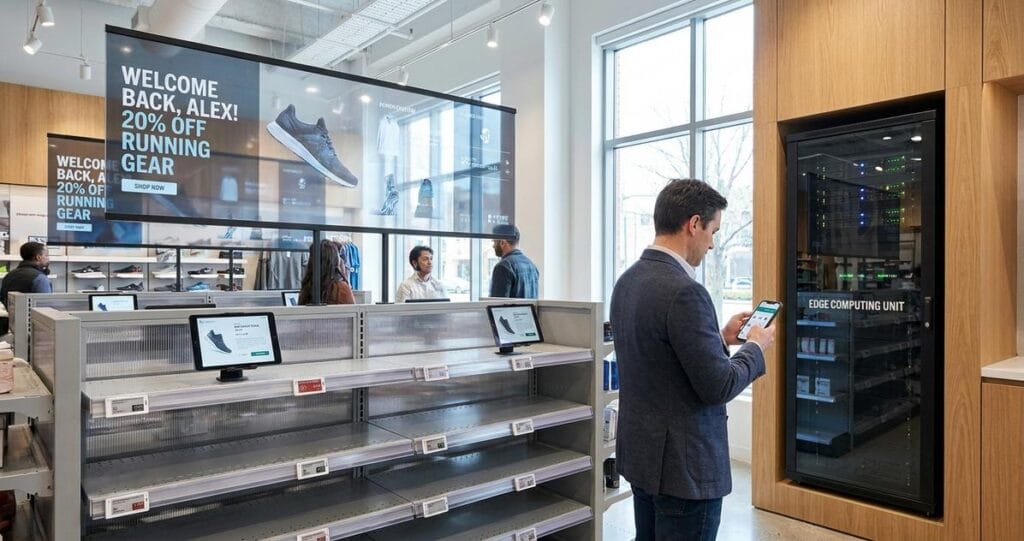
Retail personalisation has moved from static segmentation to real-time decisioning, and the shift is especially relevant in Singapore and the Philippines, where shoppers move fluidly between mobile, in-store, and social commerce touchpoints. In dense urban retail districts, customers expect pricing, product recommendations, and service responses to adapt instantly to context such as location, device, loyalty […]