
The 2026 Guide to Decentralised Physical Infrastructure Networks (DePIN)

Decentralised Physical Infrastructure Networks, or DePIN, are moving from crypto-native theory into practical infrastructure strategy, and that matters for Singapore and the Philippines for very different reasons. Singapore is pushing toward sensor-rich urban systems, industrial automation, and trusted digital infrastructure, while the Philippines continues to face persistent gaps in connectivity, logistics visibility, energy access, and […]
Why We Need “AI Nutrition Labels” for Hardware and Model Transparency
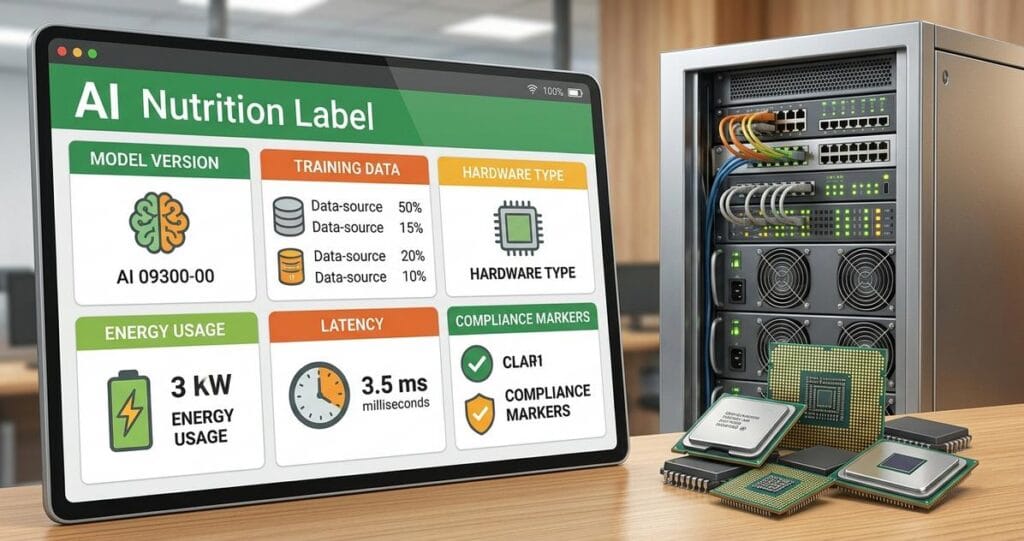
Singapore and the Philippines are moving fast into AI adoption, but the commercial stakes are very different from a consumer app experiment. In both markets, enterprises are deploying AI inside procurement workflows, customer service stacks, fraud detection engines, logistics planning, and regulated decision systems where model behavior is only one side of the risk equation. […]
The Impact of 6G on the Metaverse: Is High-Fidelity Presence Finally Possible?
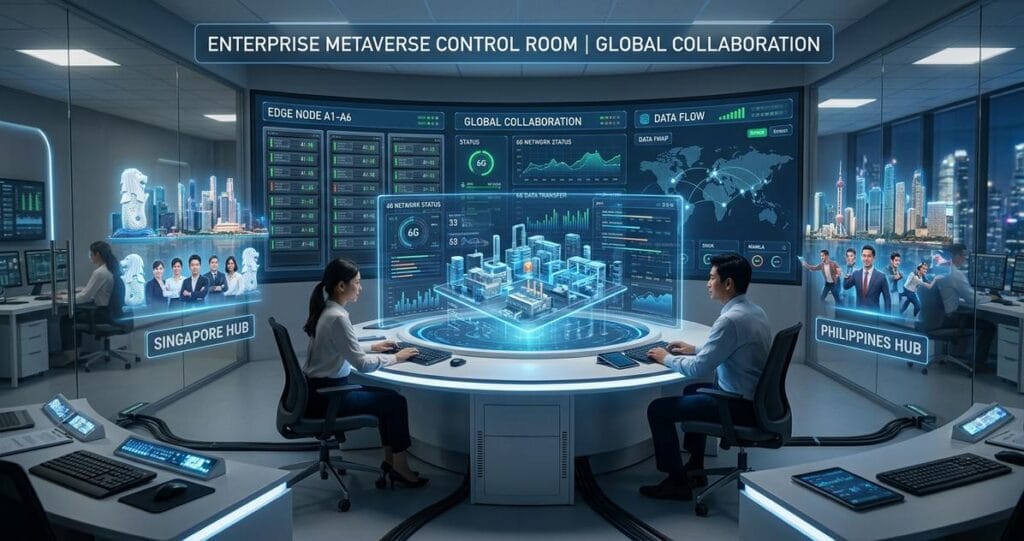
For business leaders in Singapore and the Philippines, the metaverse has moved beyond a consumer buzzword and into a practical conversation about distributed work, customer engagement, industrial simulation, and digital commerce. Yet one of the main blockers has remained consistent: today’s connectivity stack still struggles to deliver the level of responsiveness, synchronisation, and visual consistency […]
Why “Zero-Trust Hardware” is Replacing Traditional Firewalls in 2026
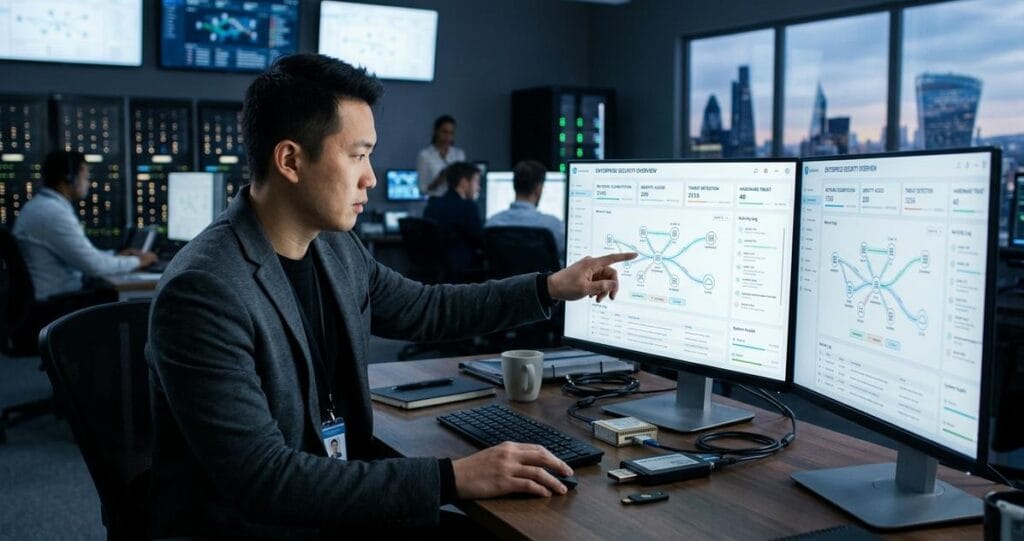
For enterprise leaders in Singapore and the Philippines, the firewall is no longer the center of gravity for security architecture. Hybrid work, cloud migration, branch connectivity, OT expansion, and relentless credential theft have made perimeter-based control too slow and too coarse for how modern networks actually operate. The shift toward Zero-Trust Hardware is not a […]
Why “Data Sovereignty” is the Biggest Hurdle for Global AI Hardware Growth
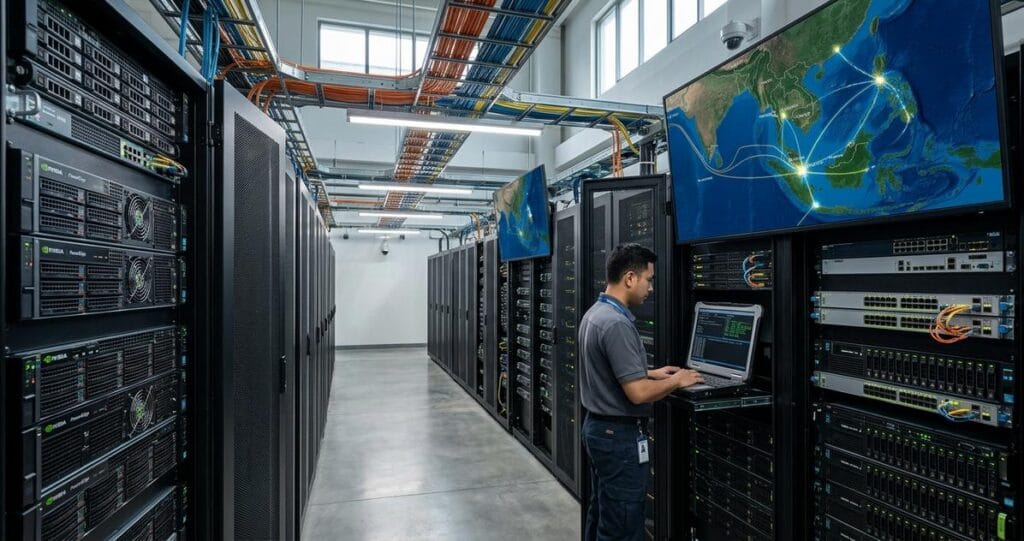
AI hardware is scaling at a pace that has pushed compute procurement, chip packaging, power delivery, and data center design into board-level discussions. Yet for many enterprises in Singapore and the Philippines, the bottleneck is no longer whether they can buy GPUs, accelerators, or inference appliances. The harder question is where the data will live, […]
How “Digital Twins” are Saving Cities Billions in Maintenance Costs

Singapore and the Philippines are both under pressure to keep urban infrastructure reliable while controlling lifecycle costs. Dense transport networks, coastal exposure, aging water assets, high-rise buildings, and climate-related stress all push maintenance budgets upward. This is where digital twins have moved from pilot projects into practical operational tools. A digital twin is not just […]
Why Your 2026 Tech Stack Must Be “Quantum-Ready” to Avoid Obsolescence
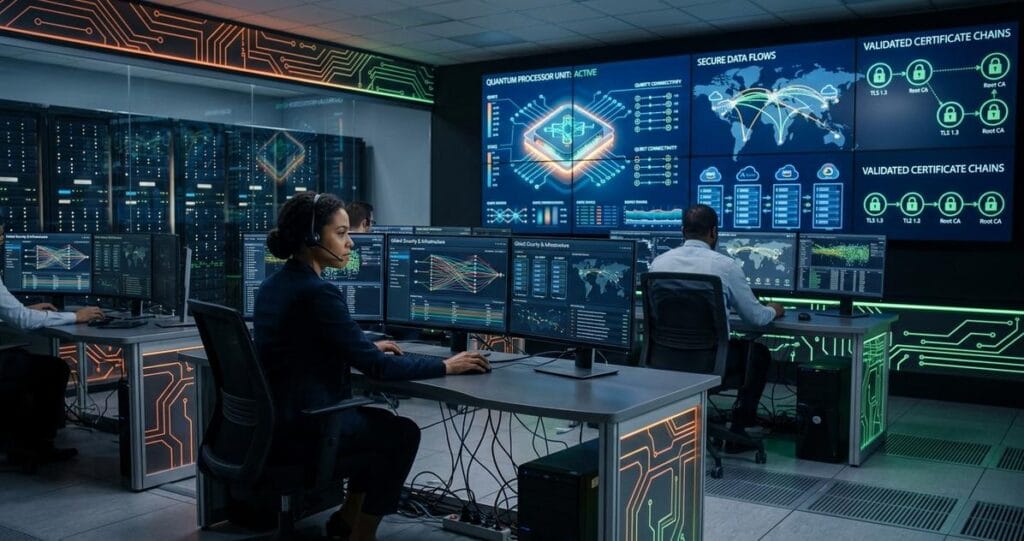
For business leaders in Singapore and the Philippines, the phrase quantum-ready can sound premature until you map it against procurement cycles, regulated data retention, and the long lifespan of enterprise systems. Core platforms in banking, insurance, logistics, healthcare, public services, and B2B commerce are often deployed for five to ten years, while cryptographic assumptions inside […]
How Quantum Computing Will Revolutionise Pharmaceutical Drug Discovery

Pharmaceutical discovery is entering a phase where classical computing is beginning to hit structural limits. For research teams in Singapore and the Philippines, this matters because both markets are building stronger life sciences, biotech, and health innovation ecosystems while competing for faster routes from target identification to clinical translation. Quantum computing will not replace molecular […]
The Future of Work: How Humanoid Robots and AI Agents Co-exist in 2026
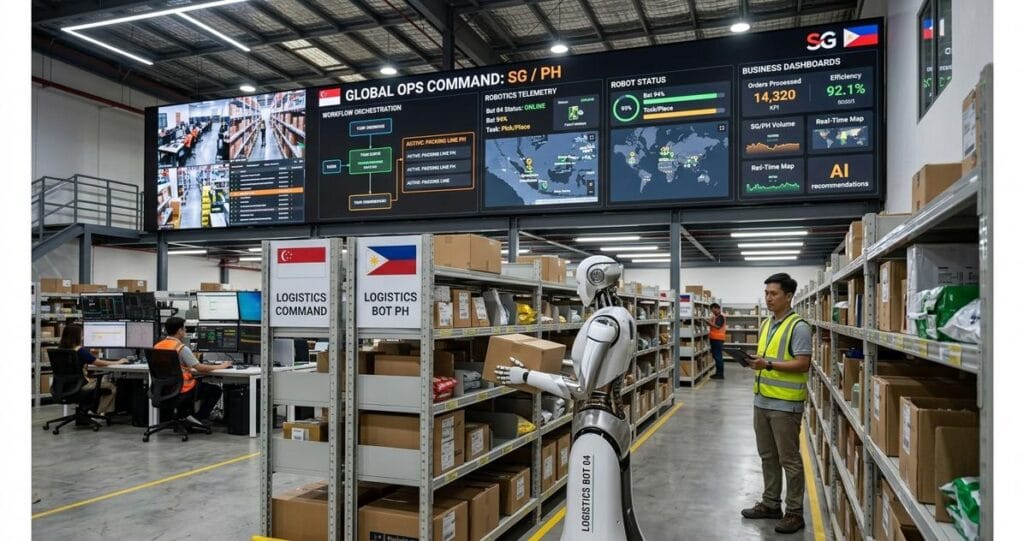
By 2026, the workplace in Singapore and the Philippines will not be defined by a single wave of automation. It will be shaped by two very different classes of machine labor working side by side: humanoid robots handling physical tasks in structured environments, and AI agents coordinating information work across systems, teams, and customer channels. […]
Opinion: Why We Must Regulate “Autonomous Agents” Before They Control the Economy
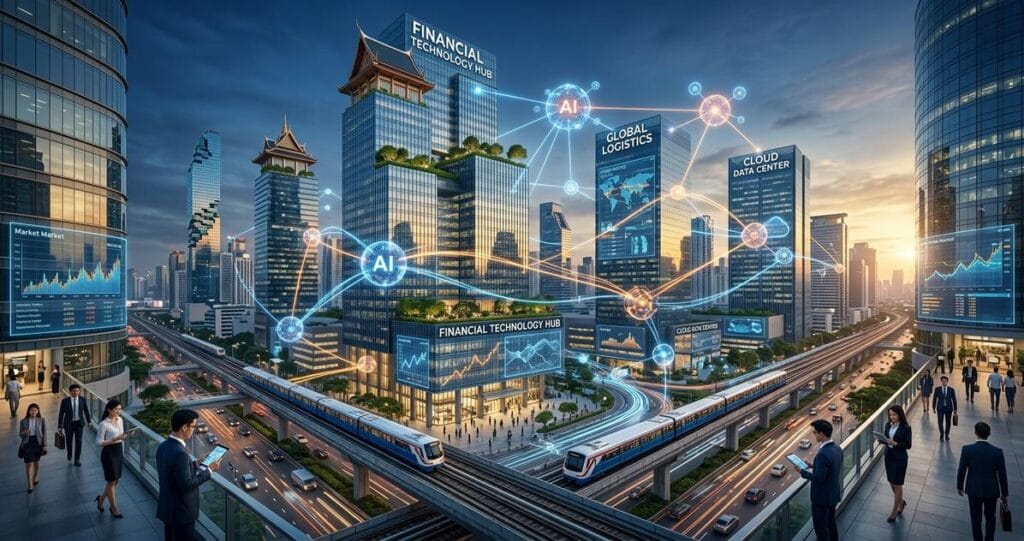
Autonomous agents are moving from novelty to infrastructure. In Singapore and the Philippines, that shift matters because both markets are actively digitizing finance, logistics, customer operations, public services, and cross-border trade. When an agent can schedule purchases, negotiate pricing, trigger API calls, manage workflows, and optimize spending without a human approving each step, it stops […]