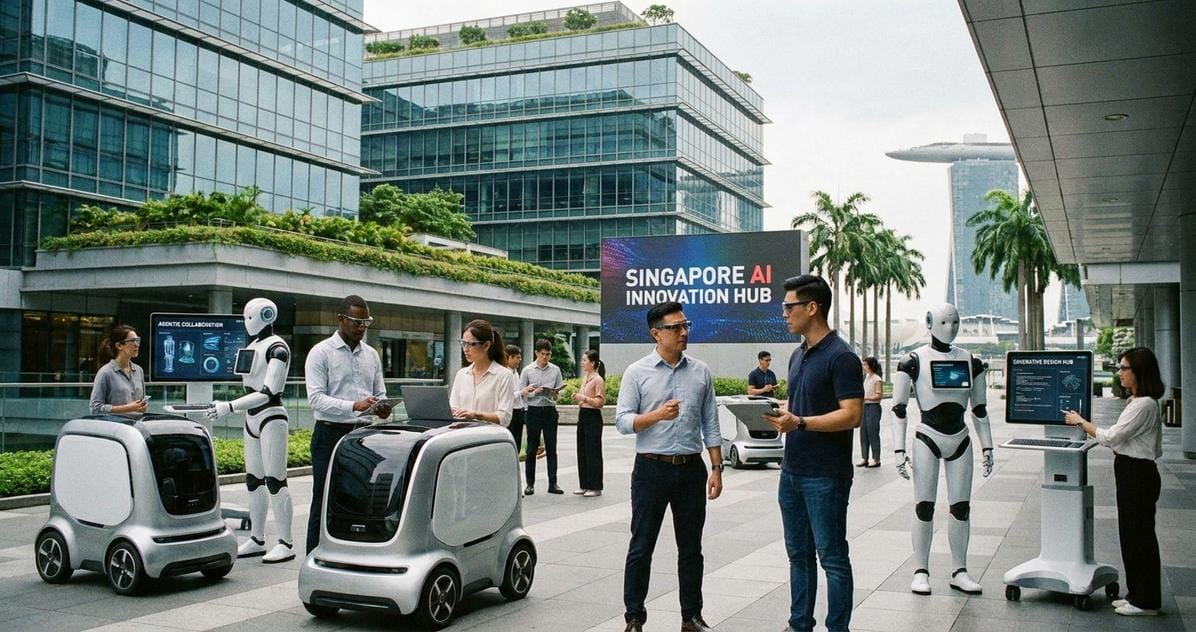
As the influence of artificial intelligence continues to permeate various sectors, the business landscapes in Singapore and the Philippines are poised for transformation. The competitive edge lies in understanding the roles and impacts of Agentic AI and Generative AI as these nations advance towards becoming digital economies.
Understanding Agentic AI
Agentic AI embodies the concept of AI systems acting with a degree of autonomy to carry out tasks on behalf of humans. These systems are not merely tools but partners capable of making decisions based on observed data. In industries like logistics and supply chain management, this translates to real-time optimization of routes, inventory management, and predictive maintenance. Singapore’s Changi Airport, for example, leverages such systems to enhance operational efficiency and passenger satisfaction.
The Role of Autonomy
Agentic AI’s autonomy is underpinned by advanced machine learning algorithms and an ability to interact with both virtual and physical environments. This autonomy is crucial for businesses in the Philippines’ rapidly growing finance and healthcare sectors, where timely decision-making is vital.
The Growth of Generative AI
On the other hand, Generative AI focuses on creating new content. It learns patterns from existing datasets to produce text, images, and even code. The creative industries in Singapore, from entertainment to design and marketing, stand to benefit greatly. These AI models enable companies to automate content creation, thereby accelerating time-to-market and enhancing personalization.
Implications for Industries
In the Philippines, sectors such as customer service and education are exploring the use of Generative AI to develop interactive content and learning materials, thereby revolutionizing engagement and accessibility.
Why 2026 Marks a Transformative Year
Advancements in AI are accelerating, promising a new era of autonomous workers by 2026. With planned governmental support and investments in AI, Singapore and the Philippines are setting the stage for widespread adoption. The convergence of technological, regulatory, and economic factors is creating a fertile environment for both Agentic and Generative AI.
Interoperability and Integration
Successful AI integration requires interoperability between various AI systems and existing business frameworks. Hybrid models that combine elements of Agentic and Generative AI are likely to flourish. These models can streamline workflows, improve decision-making, and drive innovation across industries.
Actionable Next Steps for Businesses
Organizations planning to embrace the AI evolution should consider the following steps:
- Evaluate Current Capabilities: Assess your current technological frameworks and identify areas where AI can add value.
- Invest in Training: Equip your personnel with AI-related skills, enabling them to leverage new tools effectively.
- Partnerships with AI Firms: Collaborate with technology providers specializing in AI solutions to ensure seamless integration into your operations.
- Regulatory Compliance: Stay updated with local regulations to ensure your AI implementations are compliant and ethical.
- Continuous Innovation: Foster a culture of innovation to keep pace with AI advances and remain competitive.

I am Tricia Huang Mei, an Advertising Partner in Sotavento Medios with over two decades of experience in the Singapore advertising and business sectors. My career is defined by a commitment to driving high-impact marketing campaigns and fostering sustainable growth for the diverse business portfolios I manage.