
Tutorial: Using Python to Automate Internal Linking Audits for Large Sites

For large enterprise sites in Singapore and the Philippines, internal linking is not just an SEO housekeeping task. It influences crawl efficiency, topical authority distribution, conversion paths, and how quickly important pages get discovered after launch or content refreshes. On sites with thousands or hundreds of thousands of URLs, manual review is no longer practical, […]
The Best AI Writing Assistants That Actually Pass 2026 E-E-A-T Quality Checks
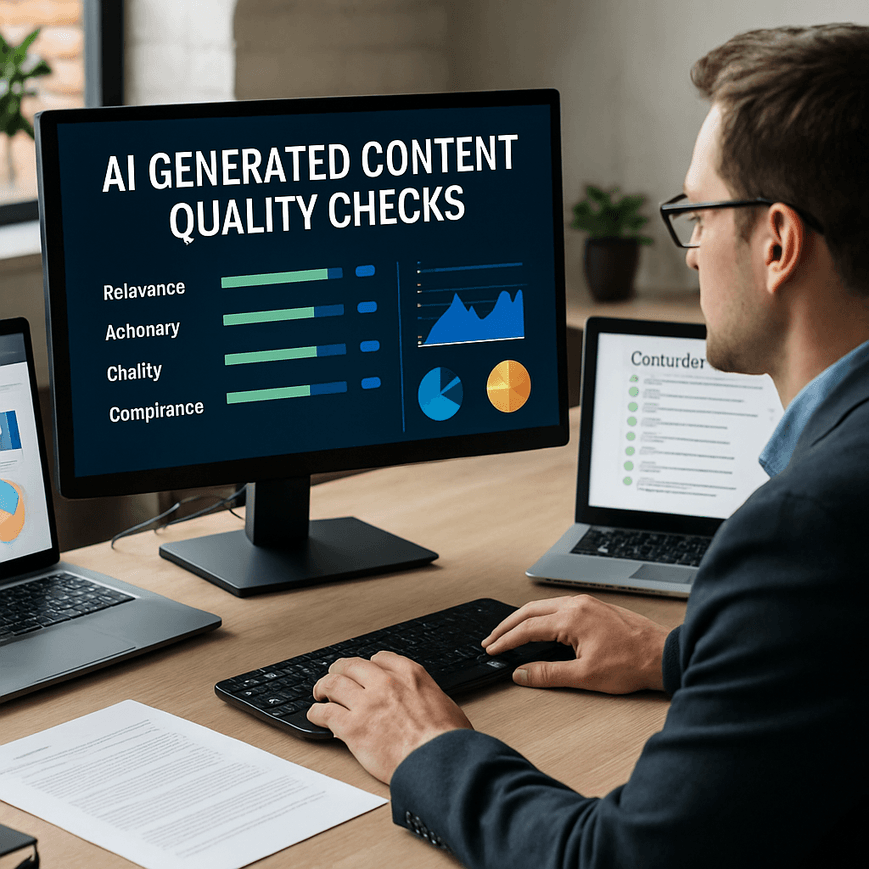
For businesses in Singapore and the Philippines, AI writing assistants are no longer novelty tools. They now sit inside the same content operations that support lead generation, product education, compliance messaging, and multilingual market expansion. That makes the selection criteria much stricter than “Can it draft fast?” In 2026, the real question is whether an […]
How to Build a Custom SEO Dashboard Using Looker Studio and First-Party Data

For teams in Singapore and the Philippines, SEO reporting has become more demanding as privacy rules tighten, third-party cookies lose reliability, and leadership expects faster business answers from search data. A custom SEO dashboard built in Looker Studio gives technical and marketing teams a single operating layer for organic performance, combining search console data, analytics […]
Why “Entity-Based” Keyword Research Tools are Replacing Traditional Volume Metrics

For businesses in Singapore and the Philippines, keyword research is no longer just about finding phrases with the highest search volume. Search behavior has become more semantic, more conversational, and more intent-driven across B2B buying journeys, especially in markets where decision-makers compare vendors across channels, devices, and content formats before they ever speak to sales. […]
A Guide to Google Search Console’s New “SGE Impact” Dashboard
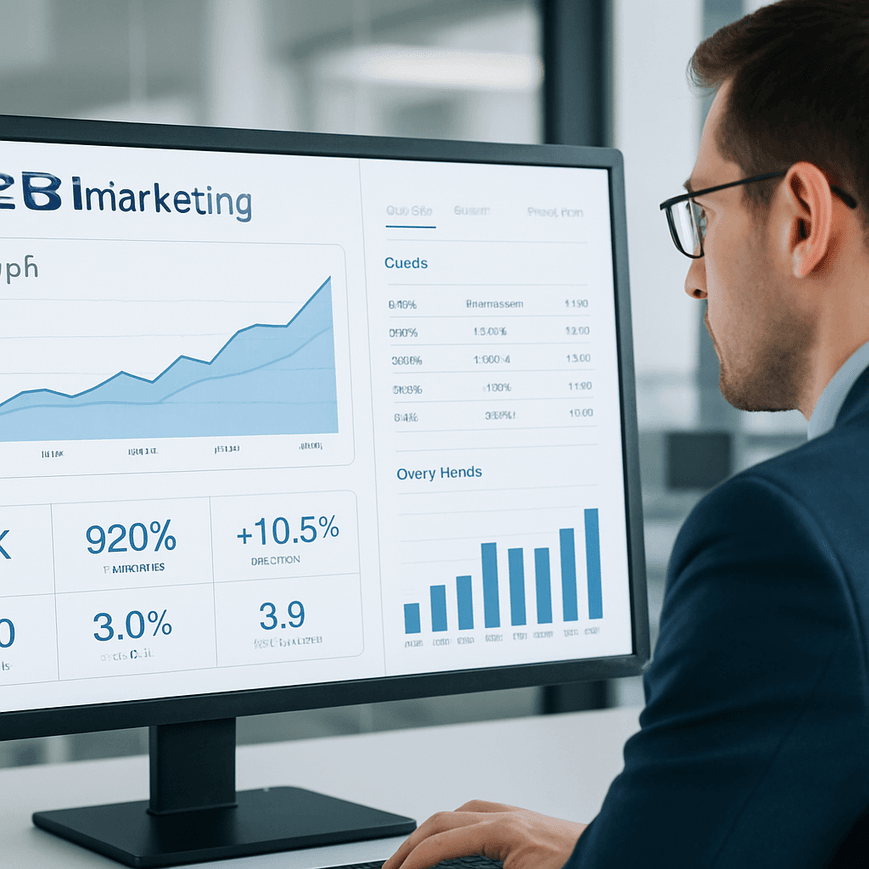
For businesses in Singapore and the Philippines, organic search is changing fast enough to affect pipeline planning, content operations, and technical SEO priorities. Google Search Console has always been the operational layer where teams validate indexing, diagnose visibility issues, and translate search performance into action. The new SGE Impact Dashboard adds another dimension: it helps […]
How to Use Screaming Frog to Audit for “Bot-Friendly” Site Architecture
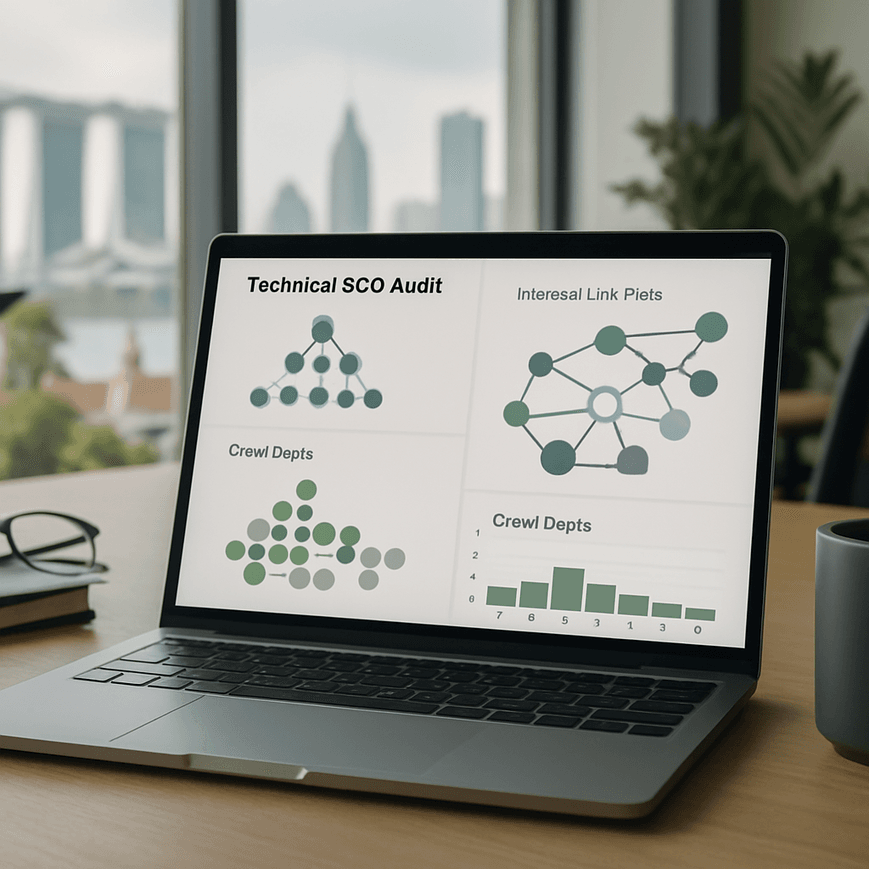
For businesses in Singapore and the Philippines, site architecture is no longer just an SEO housekeeping item. It affects how quickly search bots can discover product pages, whether JavaScript-heavy interfaces expose critical content, and how efficiently large commercial sites distribute crawl attention across revenue-driving URLs. For teams managing multilingual websites, ecommerce catalogs, or service portfolios […]
Semrush vs Ahrefs in 2026: Which Tool Has the Better AI Overviews Integration?
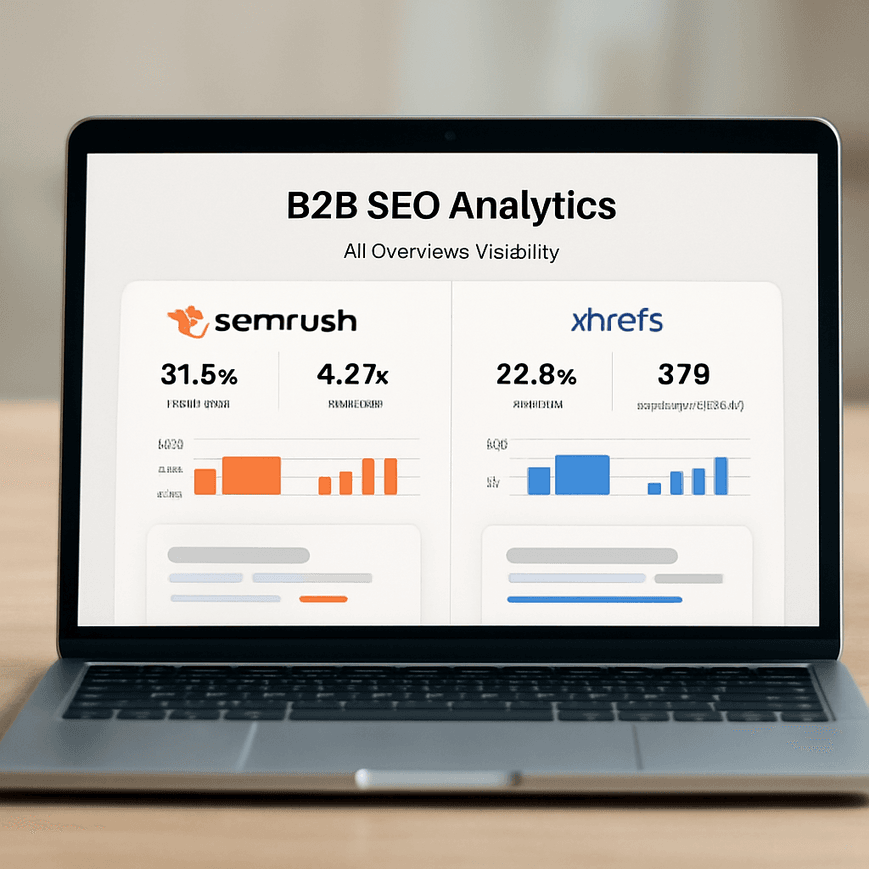
For marketing teams in Singapore and the Philippines, the rise of AI Overviews has changed how search visibility gets measured, reported, and defended. A ranking report that once focused on blue links now has to account for AI-generated answers, citations, source diversity, and the shifting boundary between organic SEO and machine-assisted discovery. That matters across […]
The 2026 SEO Stack Audit: Is Your Current Toolkit Ready for Agentic Search?

For teams in Singapore and the Philippines, SEO is no longer just about ranking pages and tracking keyword positions. The growth of AI-assisted discovery, answer engines, and agentic search workflows is changing how users find, evaluate, and act on information. Business buyers are asking shorter questions, expecting direct answers, and relying on systems that can […]
How to Build a Marketing Strategy That Works Without a Single Third-Party Cookie

For marketing teams in Singapore and the Philippines, the end of third-party cookies is not a theoretical browser change. It affects media buying efficiency, audience measurement, retargeting, and the way customer data moves across channels and devices. Teams that rely on imported audiences, opaque DSP segments, and loose attribution models will see weaker signal quality […]
The Role of Web3 in Redefining Digital Ownership and Marketing

Web3 is forcing a practical rethink of how digital value is created, owned, and exchanged, and that shift matters for companies operating in Singapore and the Philippines. Both markets are highly digital, mobile-first, and increasingly regulated, which makes them strong test beds for new ownership models built on blockchain, tokenization, and wallet-based identity. For business […]