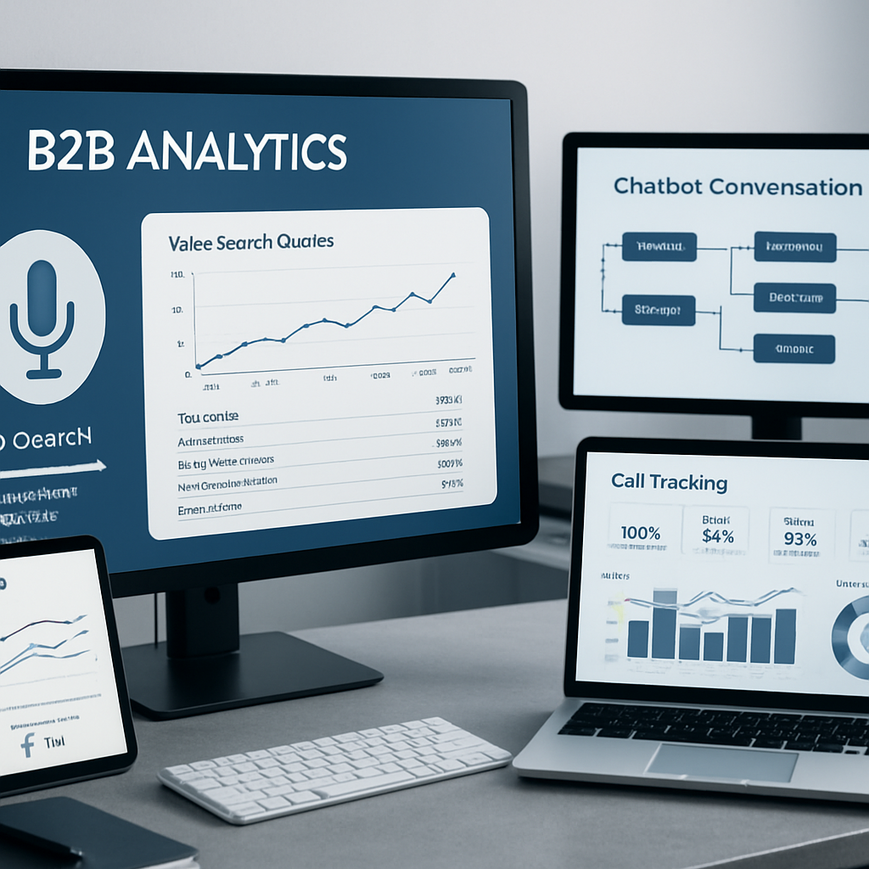
The business-to-business (B2B) landscape in Singapore and the Philippines is undergoing a profound transformation. As digital adoption accelerates across Southeast Asia, B2B companies face an imperative to evolve their marketing strategies. The traditional sales funnel is no longer sufficient; today’s B2B buyers are more informed, demand highly relevant experiences, and expect seamless interactions across multiple touchpoints. This shift necessitates a strategic pivot towards advanced digital marketing methodologies, particularly those powered by artificial intelligence (AI), hyper-personalization, and robust data-driven insights. For businesses operating in these dynamic markets, understanding and implementing these pillars is not merely an advantage; it is a prerequisite for sustained growth and competitive differentiation.
The Shifting Sands of B2B Marketing in Singapore and the Philippines
Digital Acceleration Post-Pandemic
The COVID-19 pandemic acted as a powerful catalyst for digital transformation across all sectors, and B2B was no exception. Companies in Singapore and the Philippines rapidly embraced digital channels for communication, sales, and marketing. This acceleration has permanently altered buyer behavior. B2B decision-makers now conduct extensive online research, engage with digital content, and often prefer virtual interactions over traditional face-to-face meetings. This digital-first mindset means that a strong online presence and sophisticated digital engagement strategies are paramount for capturing attention and nurturing leads.
Unique Market Dynamics and Opportunities
Singapore, a global financial hub and technology leader, boasts a mature digital infrastructure and a highly sophisticated business environment. B2B buyers in Singapore are often early adopters of new technologies and expect cutting-edge solutions. The market demands precision, efficiency, and a clear return on investment. In contrast, the Philippines presents a rapidly expanding digital economy with a vast and increasingly digitally literate population. While infrastructure development is ongoing, the sheer scale of the market and its growing appetite for digital solutions offer immense opportunities for B2B companies willing to invest in localized, digitally-driven strategies. Both markets, despite their differences, share a common thread: a growing reliance on digital channels for business development and a demand for value-driven content.
AI as the Engine of B2B Marketing Transformation
Artificial intelligence is no longer a futuristic concept; it is a present-day reality revolutionizing B2B marketing. AI’s ability to process vast amounts of data, identify patterns, and automate complex tasks empowers marketers to achieve unprecedented levels of efficiency and effectiveness. In Singapore and the Philippines, where competition is intensifying and buyer expectations are rising, AI offers a critical edge.
Predictive Analytics for Lead Scoring and Sales Forecasting
One of AI’s most impactful applications in B2B marketing is predictive analytics. By analyzing historical data, including website interactions, content consumption, email engagement, and CRM records, AI algorithms can accurately predict which leads are most likely to convert. This allows B2B sales and marketing teams to prioritize their efforts, focusing resources on high-potential prospects. For example, an AI system might identify that a company in Singapore downloading a specific whitepaper and visiting a pricing page multiple times has a 70% higher likelihood of becoming a customer within the next quarter. This intelligence enables sales teams to intervene at the optimal moment with highly relevant messaging, significantly improving conversion rates and sales forecasting accuracy.
AI-Powered Content Creation and Optimization
Generating high-quality, relevant content at scale is a constant challenge for B2B marketers. AI tools are emerging to assist with various aspects of content creation and optimization. From generating initial drafts of blog posts, social media updates, or email subject lines to optimizing existing content for SEO performance, AI can streamline the content workflow. Furthermore, AI can analyze content performance data to identify topics that resonate most with specific target segments in the Philippines or Singapore, guiding future content strategy. This ensures that the content produced is not only efficient to create but also highly effective in engaging the target audience and driving desired actions.
Enhancing Customer Service with AI Chatbots and Virtual Assistants
In the B2B world, customer service extends beyond problem-solving; it encompasses providing immediate access to information and support throughout the buyer journey. AI-powered chatbots and virtual assistants are becoming indispensable tools for this purpose. These intelligent agents can handle routine inquiries, qualify leads, provide instant answers to frequently asked questions, and even guide prospects through product demonstrations. For a B2B software provider in Singapore, an AI chatbot on their website could instantly answer technical specifications questions, freeing up human sales representatives to focus on more complex engagements. This improves response times, enhances the customer experience, and ensures that potential clients receive the information they need, precisely when they need it.
Hyper-Personalization: Connecting with B2B Buyers on a Deeper Level
Generic marketing messages no longer cut through the noise. B2B buyers, accustomed to personalized experiences in their consumer lives, expect the same level of relevance from their business interactions. Hyper-personalization goes beyond simply addressing a prospect by name; it involves delivering tailored content, offers, and experiences based on their specific industry, company size, role, pain points, and stage in the buyer journey. This approach fosters stronger relationships and significantly increases engagement.
Tailored Content Experiences Across the Buyer Journey
Effective hyper-personalization begins with understanding the buyer’s journey and mapping content to each stage. For a B2B company targeting manufacturing firms in the Philippines, this might mean providing an introductory guide on “Digital Transformation for Philippine Manufacturers” at the awareness stage, followed by a case study on “Improving Supply Chain Efficiency with IoT in Southeast Asia” for prospects in the consideration stage, and finally, a personalized demo invitation for those in the decision stage. Each piece of content is specifically designed to address their evolving needs and move them closer to a purchasing decision. This level of tailored content ensures maximum relevance and impact.
Dynamic Website Personalization and Account-Based Marketing (ABM)
Dynamic website personalization involves altering website content, calls-to-action, and even navigation based on a visitor’s profile and past behavior. Imagine a B2B visitor from a healthcare company in Singapore landing on your website; instead of a generic homepage, they see content specifically highlighting your solutions for the healthcare industry, relevant case studies, and testimonials from similar organizations. This immediate relevance captures attention and encourages deeper exploration. Complementing this is Account-Based Marketing (ABM), a highly focused strategy where marketing and sales teams collaborate to target specific high-value accounts with personalized campaigns. ABM is inherently hyper-personalized, treating each target account as a market of one and crafting bespoke experiences to engage key decision-makers within that organization.
Leveraging CRM Data for Individualized Outreach
The Customer Relationship Management (CRM) system is the bedrock of hyper-personalization. Rich CRM data, encompassing interaction history, purchase records, communication preferences, and demographic information, provides the insights needed to craft truly individualized outreach. For instance, a B2B sales representative in Singapore could use CRM data to see that a prospect recently attended a webinar on cloud security and then follow up with an email offering a personalized whitepaper on advanced cloud security measures tailored for their industry. This data-driven approach ensures that every communication is relevant, timely, and adds genuine value to the prospect, moving away from generic email blasts towards meaningful conversations.
Data-Driven Strategies: The Foundation of Modern B2B Success
In the digital age, data is the new currency. For B2B marketers in Singapore and the Philippines, the ability to collect, analyze, and act upon data is fundamental to optimizing campaigns, understanding buyer behavior, and proving marketing’s impact on revenue. A truly data-driven strategy moves beyond vanity metrics to focus on actionable insights that inform strategic decisions.
Unifying Data Silos for a Holistic Customer View
Many organizations struggle with fragmented data, where information resides in separate systems like CRM, marketing automation platforms, website analytics, and advertising platforms. To achieve a holistic view of the customer and their journey, it is crucial to break down these data silos. Implementing a Customer Data Platform (CDP) or integrating existing systems allows B2B companies to consolidate all customer data into a single, unified profile. This comprehensive view enables marketers to understand customer behavior across all touchpoints, identify critical moments for engagement, and personalize interactions more effectively. For a B2B agency in the Philippines, unifying data from their LinkedIn campaigns, email marketing, and website analytics could reveal a clearer picture of which content drives the most qualified leads.
Marketing Attribution and ROI Measurement
Proving the return on investment (ROI) of B2B marketing efforts is essential for securing budget and demonstrating value. Data-driven marketing enables sophisticated attribution modeling, which helps identify which marketing channels and touchpoints contribute most to conversions. Whether using first-touch, last-touch, or multi-touch attribution models, understanding the customer journey allows marketers to allocate resources more effectively. For example, if data shows that webinars consistently play a significant role in converting leads for a B2B tech company in Singapore, they can strategically invest more in webinar production and promotion. This data-backed approach ensures that marketing spend is optimized for maximum impact and measurable results.
Ethical Data Practices and Compliance in SEA
While the power of data is undeniable, its collection and use must be governed by ethical practices and compliance with relevant regulations. In Southeast Asia, data privacy laws are evolving, and businesses must ensure they adhere to standards such as the Personal Data Protection Act (PDPA) in Singapore and the Data Privacy Act (DPA) in the Philippines. This includes obtaining explicit consent for data collection, ensuring data security, and providing transparency about how data is used. Building trust with B2B clients and prospects hinges on demonstrating a commitment to responsible data handling. Companies that prioritize ethical data practices not only mitigate risks but also build stronger, more trustworthy relationships with their audience.
Integrating Technologies for a Seamless B2B Ecosystem
The future of B2B digital marketing is not just about individual technologies but how they integrate to create a seamless, efficient, and intelligent ecosystem. The synergy between various platforms amplifies their individual capabilities, leading to a more cohesive and impactful marketing operation.
Marketing Automation Platforms (MAPs) and CRM Integration
At the heart of an integrated B2B marketing ecosystem are Marketing Automation Platforms (MAPs) and Customer Relationship Management (CRM) systems. MAPs automate repetitive marketing tasks such as email campaigns, lead nurturing, and social media posting, while CRMs manage customer interactions and data throughout the sales cycle. When these two systems are seamlessly integrated, they create a powerful engine for lead management and customer engagement. For instance, a lead generated through a marketing automation campaign in the Philippines can be automatically pushed to the CRM, where sales representatives gain immediate access to their entire interaction history, enabling highly informed and personalized follow-ups. This integration ensures that no lead falls through the cracks and that sales and marketing teams are always aligned.
The Role of Customer Data Platforms (CDP) in B2B Marketing
As mentioned earlier, Customer Data Platforms (CDPs) play a pivotal role in unifying disparate customer data. In a B2B context, a CDP can ingest data from various sources—website analytics, CRM, MAP, advertising platforms, and even offline interactions—to create a persistent, unified profile for each account and individual contact. This unified view is critical for enabling true hyper-personalization and data-driven decision-making. A B2B company in Singapore utilizing a CDP can gain a 360-degree understanding of an account’s engagement across all channels, allowing them to orchestrate highly targeted campaigns and deliver consistent, relevant experiences at every stage of the buyer journey.
Conclusion: Navigating the Future of B2B Digital Marketing
The future of B2B digital marketing in Singapore and the Philippines is dynamic, challenging, and filled with immense opportunities. The convergence of AI, hyper-personalization, and data-driven strategies is reshaping how businesses connect with their clients, generate leads, and drive revenue. For B2B organizations to thrive in this evolving landscape, a proactive and strategic approach is essential.
Embracing AI means leveraging its power for predictive insights, content efficiency, and enhanced customer service. Implementing hyper-personalization involves moving beyond generic messaging to deliver truly tailored experiences that resonate with individual buyer needs and preferences. And underpinning it all is a robust data-driven strategy, ensuring that every marketing decision is informed by actionable insights, measured for ROI, and conducted with ethical responsibility.
Sotavento Medios, as a B2B Digital Marketing Agency, understands these complexities. We empower businesses in Singapore and the Philippines to navigate this future by building sophisticated, integrated strategies that harness the full potential of these transformative technologies. The time to adapt is now. By strategically investing in AI, personalization, and data, B2B companies can unlock new levels of growth, build stronger client relationships, and establish enduring thought leadership in their respective industries. Partner with us to transform your B2B digital marketing and secure your competitive edge in Southeast Asia’s vibrant markets.

I am Tricia Huang Mei, an Advertising Partner in Sotavento Medios with over two decades of experience in the Singapore advertising and business sectors. My career is defined by a commitment to driving high-impact marketing campaigns and fostering sustainable growth for the diverse business portfolios I manage.