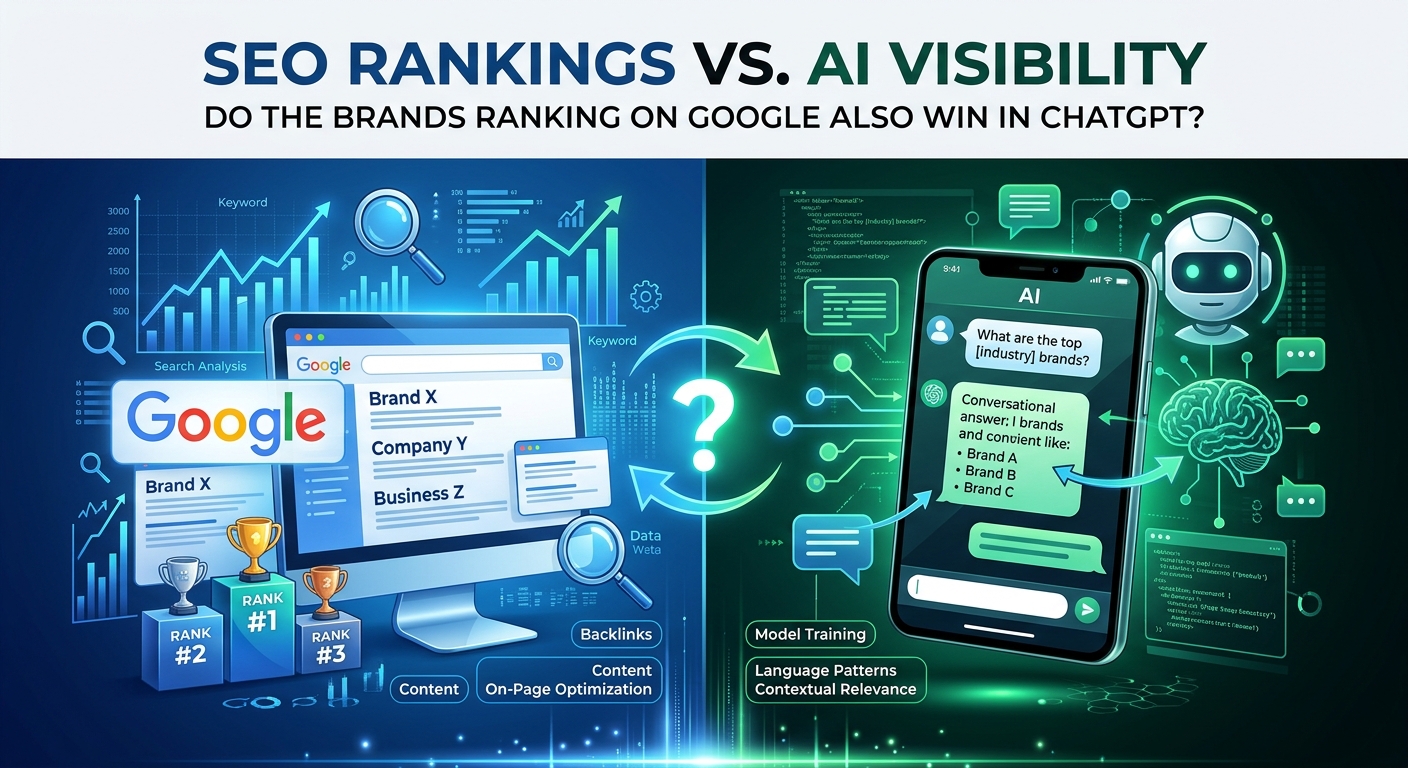
The business-to-business (B2B) landscape across Southeast Asia, particularly in dynamic markets like Singapore and the Philippines, is undergoing a profound transformation. Digitalization is accelerating, buyer expectations are evolving, and the competition for attention is fiercer than ever. In this complex environment, B2B digital marketing agencies and internal marketing teams are constantly seeking innovative ways to achieve cut-through, generate high-quality leads, and foster lasting client relationships. Artificial Intelligence (AI) is emerging not merely as a technological trend, but as a fundamental shift in how B2B marketing operates.
For business decision-makers and technical professionals in Singapore and the Philippines, understanding and strategically implementing AI in their digital marketing efforts is no longer optional. It is a critical imperative for maintaining a competitive edge and driving sustainable growth. This article delves into the evolving role of AI in B2B digital marketing, outlining actionable strategies and practical considerations tailored for the unique market dynamics of these two pivotal economies. We will explore how AI can elevate everything from lead generation and content personalization to campaign optimization and customer experience, providing a roadmap for leveraging this powerful technology to establish thought leadership and achieve measurable business outcomes.
Understanding AI’s Core Impact on B2B Marketing
AI’s influence on B2B marketing extends far beyond simple automation. It introduces a new paradigm of efficiency, precision, and personalization at scale that was previously unattainable. At its heart, AI empowers marketers to process vast datasets, identify intricate patterns, and make data-driven predictions with remarkable accuracy. This capability transforms raw information into actionable intelligence, allowing businesses to understand their target audience with unprecedented depth.
Consider the sheer volume of data generated daily from website visits, CRM interactions, social media engagements, and email campaigns. Manually sifting through this information to extract meaningful insights is an arduous, if not impossible, task. AI algorithms, however, can rapidly analyze these diverse data points, revealing trends in buyer behavior, preferences, and intent. This enables B2B marketers to move beyond generic campaigns and towards highly targeted, relevant communications that resonate with specific segments of their audience. From optimizing content delivery to refining lead scoring models, AI provides the analytical horsepower needed to make every marketing dollar work harder and smarter, directly impacting the bottom line for businesses operating in the competitive Singaporean and Philippine markets.
AI-Powered Strategies for Lead Generation and Nurturing
Predictive Lead Scoring: Identifying High-Potential Prospects
One of AI’s most impactful applications in B2B marketing is predictive lead scoring. Traditional lead scoring often relies on static rules and demographic information, which can be limited in its accuracy. AI, conversely, analyzes a multitude of historical data points, including past interactions, behavioral patterns, firmographics, and even external market signals, to assign a dynamic score to each lead. This sophisticated analysis helps B2B sales and marketing teams prioritize their efforts, focusing on prospects most likely to convert.
For instance, a B2B SaaS company based in Singapore specializing in enterprise resource planning (ERP) solutions might use AI to evaluate leads generated from a recent industry webinar. The AI system would not only consider if a prospect downloaded a whitepaper, but also how long they spent on specific product pages, their company’s growth trajectory, and their engagement with previous email campaigns. By identifying leads with a high propensity to purchase, sales teams can allocate their time more effectively, leading to improved conversion rates and a more efficient sales cycle. This precision is invaluable in markets where sales cycles can be long and resource-intensive.
Hyper-Personalized Content Delivery: Tailoring Messages for Impact
In the B2B space, generic content often fails to capture the attention of busy decision-makers. AI enables hyper-personalization, allowing marketers to deliver content that is precisely tailored to an individual prospect’s needs, challenges, and stage in the buyer’s journey. This goes beyond simply inserting a company name into an email; it involves dynamically adjusting website content, email sequences, and even ad creatives based on real-time behavioral data.
Consider a manufacturing firm in the Philippines that provides industrial automation solutions. Using AI, they can track a prospect’s interactions with their website, identifying specific product categories or technical articles they have viewed. The AI system can then automatically recommend relevant case studies, whitepapers, or even schedule a personalized demo with a sales engineer who specializes in that particular solution. This level of tailored engagement fosters stronger relationships, builds trust, and significantly increases the likelihood of conversion, as prospects feel understood and valued.
Intelligent Marketing Automation: Streamlining Workflows
While marketing automation has been a staple for years, AI elevates it to a new level of intelligence. AI-driven automation systems can move beyond predefined rules, dynamically adjusting workflows, segmenting audiences, and triggering actions based on complex behavioral cues and predictive insights. This means email nurture sequences can adapt in real-time, social media posts can be scheduled for optimal engagement, and follow-up tasks for sales teams can be automatically generated based on a lead’s evolving score.
For B2B organizations in Singapore and the Philippines, where operational efficiency is key, intelligent automation reduces manual effort, ensures consistent messaging across touchpoints, and allows marketing teams to focus on strategic initiatives rather than repetitive tasks. This frees up valuable human resources to concentrate on high-value activities suchs as strategic planning, creative development, and direct client engagement, ultimately enhancing overall marketing effectiveness.
Optimizing Campaigns with AI-Driven Analytics and Insights
Advanced Campaign Optimization: Real-Time Adjustments for ROI
Traditional digital advertising campaigns often involve a degree of guesswork and post-campaign analysis. AI, however, introduces the capability for advanced, real-time campaign optimization. AI algorithms can continuously monitor campaign performance across various channels, including search engines, social media platforms, and programmatic advertising networks. They can analyze factors such as bid prices, audience targeting, creative effectiveness, and landing page performance, making instantaneous adjustments to maximize return on investment (ROI).
For example, an IT services provider in Singapore aiming to attract C-suite executives for cybersecurity solutions might use AI to optimize its LinkedIn ad campaigns. The AI system could identify which ad creatives resonate most with specific job titles, at what times of day engagement is highest, and which bidding strategies yield the most qualified leads. This continuous learning and adaptation ensure that ad spend is utilized most effectively, delivering superior results compared to manual optimization methods.
Customer Journey Mapping and Experience Enhancement: Understanding Every Touchpoint
The B2B customer journey is rarely linear, often involving multiple stakeholders, diverse touchpoints, and extended decision-making processes. AI provides the tools to meticulously map these complex journeys, analyzing interactions across websites, CRMs, support tickets, and communication channels. By identifying patterns and friction points, AI helps businesses understand where prospects might disengage or encounter challenges.
This deep understanding allows for proactive engagement and personalized experience enhancement. If AI detects that a prospect has repeatedly visited a specific support page without finding a solution, it can trigger a personalized email offering direct assistance or connect them with a relevant account manager. For B2B companies in the Philippines, where building strong personal relationships is paramount, AI can augment human efforts by ensuring that every customer interaction is timely, relevant, and contributes positively to the overall experience, fostering loyalty and advocacy.
Competitor Analysis and Market Intelligence: Staying Ahead of the Curve
In rapidly evolving markets, staying informed about competitor strategies and broader market trends is crucial. AI tools can continuously monitor competitor websites, social media activity, pricing strategies, and product launches. They can also analyze vast amounts of public data to identify emerging industry trends, shifts in customer sentiment, and potential market opportunities or threats.
This AI-driven market intelligence provides B2B businesses in Singapore and the Philippines with a significant strategic advantage. By understanding what competitors are doing well, where they are falling short, and what new demands are emerging in the market, companies can refine their product development, adjust their marketing positioning, and identify untapped niches. This proactive approach ensures that marketing strategies remain agile and responsive to the ever-changing business environment.
Implementing AI in Your B2B Marketing Stack: Practical Considerations
Data Foundation: The Prerequisite for AI Success
The effectiveness of any AI initiative is directly proportional to the quality and quantity of the data it processes. For B2B marketers, establishing a robust data foundation is the critical first step. This involves collecting, cleaning, structuring, and integrating data from all relevant sources, including CRM systems, marketing automation platforms, website analytics, and sales databases. Poor data quality, characterized by inconsistencies, inaccuracies, or incompleteness, will lead to flawed AI insights and ineffective strategies.
Businesses in Singapore and the Philippines must prioritize data governance frameworks, ensuring compliance with local data privacy regulations and international standards. Investing in data warehousing solutions and data integration tools is essential to create a unified, accessible data environment that AI algorithms can leverage effectively. Without a solid data foundation, AI remains an unfulfilled promise.
Choosing the Right AI Tools and Platforms: Strategic Selection
The market for AI tools and platforms is extensive and rapidly expanding. B2B organizations need to carefully evaluate their specific needs, existing technology stack, and budget when selecting AI solutions. Considerations should include the platform’s integration capabilities with current CRM and marketing automation systems, its scalability to accommodate future growth, and the specific AI features it offers, such as natural language processing for content analysis or machine learning for predictive analytics.
It is often advisable to start with pilot projects, focusing on a specific pain point or a high-impact area, to demonstrate the value of AI before a broader implementation. For companies in Singapore and the Philippines, partnering with experienced digital marketing agencies that have a proven track record in AI implementation can provide invaluable guidance and accelerate the adoption process, ensuring that the chosen tools align with strategic business objectives.
Upskilling Your Team: Fostering Human-AI Collaboration
The introduction of AI into B2B marketing does not diminish the role of human marketers; rather, it augments their capabilities. Successful AI adoption requires a commitment to upskilling marketing teams, equipping them with the knowledge and skills to effectively utilize AI tools, interpret AI-generated insights, and strategically leverage the technology. This involves training on data literacy, understanding AI model outputs, and focusing on the strategic oversight of AI-driven campaigns.
Marketers will transition from performing repetitive, manual tasks to becoming strategists, analysts, and creative thinkers who can guide AI systems and translate their outputs into compelling narratives and effective campaigns. For B2B businesses in Singapore and the Philippines, fostering a culture of continuous learning and human-AI collaboration is paramount. This ensures that AI becomes a powerful assistant, enhancing human creativity and strategic thinking, rather than merely replacing tasks.
Conclusion
The integration of Artificial Intelligence into B2B digital marketing is not a fleeting trend but a fundamental evolution that is reshaping how businesses connect with their customers. For organizations in Singapore and the Philippines, embracing AI is no longer a luxury; it is a strategic imperative for achieving sustained growth and maintaining a competitive edge in increasingly sophisticated markets.
By leveraging AI for predictive lead scoring, hyper-personalized content delivery, intelligent campaign optimization, and deep market intelligence, B2B marketers can unlock unprecedented levels of efficiency, precision, and effectiveness. The journey requires a solid data foundation, careful selection of the right tools, and a commitment to upskilling teams to foster powerful human-AI collaboration. The future of B2B digital marketing in Singapore and the Philippines is undeniably intelligent. Businesses that proactively adopt and strategically implement AI will be best positioned to establish thought leadership, drive meaningful engagement, and achieve superior business outcomes in the years to come.

I am Tricia Huang Mei, an Advertising Partner in Sotavento Medios with over two decades of experience in the Singapore advertising and business sectors. My career is defined by a commitment to driving high-impact marketing campaigns and fostering sustainable growth for the diverse business portfolios I manage.