The business-to-business (B2B) landscape in Singapore and the Philippines is undergoing a profound transformation. As digital adoption accelerates across Southeast Asia, B2B decision-makers and technical professionals are increasingly seeking sophisticated, data-driven solutions. The days of generic marketing messages and broad outreach are fading, replaced by an imperative for precision, relevance, and measurable impact. For businesses aiming to establish thought leadership and drive tangible growth in these dynamic markets, embracing the future of digital marketing is not merely an option, but a strategic necessity.
This article explores the pivotal role of artificial intelligence (AI), hyper-personalization, and robust data-driven strategies in shaping the next era of B2B digital marketing within Singapore and the Philippines. We will delve into how these advanced approaches can unlock new levels of efficiency, engagement, and return on investment, providing a clear roadmap for businesses to navigate and thrive in an increasingly competitive digital environment.
The AI Revolution: Reshaping B2B Digital Marketing in Southeast Asia
Artificial intelligence is no longer a futuristic concept; it is a present-day reality fundamentally altering how B2B companies connect with their target audiences. For businesses in Singapore and the Philippines, AI offers unprecedented opportunities to streamline operations, enhance decision-making, and deliver more impactful marketing campaigns.
Automating the Sales Funnel with AI
AI’s ability to process vast amounts of data at speed makes it invaluable for automating repetitive yet crucial tasks within the B2B sales funnel. Consider AI-powered lead scoring, which analyzes prospect behavior, engagement metrics, and firmographic data to identify the most promising leads with high conversion potential. This allows sales teams to prioritize their efforts on accounts that are genuinely ready to engage, significantly improving efficiency.
Furthermore, AI can assist in automating content generation for initial drafts of emails, social media posts, or even blog outlines, freeing up human marketers to focus on strategic oversight and creative refinement. Chatbots, powered by natural language processing, provide instant, 24/7 customer support, answer frequently asked questions, and even qualify leads by gathering essential information, ensuring no potential opportunity is missed, regardless of time zones.
Predictive Analytics for Strategic Advantage
Beyond automation, AI excels in predictive analytics, offering B2B marketers a crystal ball into future trends and customer behaviors. By analyzing historical data, AI algorithms can forecast market shifts, identify emerging opportunities, and even predict potential churn risks among existing clients. This foresight enables businesses to proactively adjust their strategies, develop targeted retention programs, and allocate resources more effectively.
For instance, an AI system might identify that a particular segment of clients in the manufacturing sector in the Philippines is showing signs of reduced engagement. This insight allows a B2B company to launch a targeted campaign offering new solutions or support, thereby mitigating churn before it occurs. Similarly, AI can optimize ad spend by predicting which channels and creatives will yield the highest return, ensuring marketing budgets are utilized with maximum impact.
Hyper-Personalization: Crafting Unique Buyer Journeys
In the B2B world, every client relationship is unique. Hyper-personalization takes traditional segmentation a step further, leveraging data and AI to deliver tailored experiences to individual buyers or specific accounts. This approach is particularly potent in markets like Singapore and the Philippines, where strong relationships and nuanced communication are paramount.
Understanding the B2B Buyer in Singapore and the Philippines
Effective personalization begins with a deep understanding of the target audience. B2B buyers in Singapore often prioritize innovation, efficiency, and global best practices, operating within a highly competitive and digitally mature environment. In contrast, buyers in the Philippines, while rapidly adopting digital tools, may place a greater emphasis on community, trust, and localized solutions, often requiring more direct, relationship-driven engagement.
Recognizing these cultural nuances and decision-making processes is critical. Hyper-personalization allows marketers to craft content, offers, and communication styles that resonate directly with these specific preferences, moving beyond generic messaging to truly speak to the individual needs and challenges of each prospect or client.
Account-Based Marketing (ABM) Enhanced by Personalization
Account-Based Marketing (ABM) is a strategic approach that treats individual high-value accounts as markets in themselves. When combined with hyper-personalization, ABM becomes an incredibly powerful tool. Instead of broad campaigns, ABM focuses on tailoring every message, every piece of content, and every interaction to the specific needs, pain points, and decision-makers within a target account.
For example, a B2B software provider targeting a financial institution in Singapore could use personalized emails that reference specific regulatory challenges faced by that institution, or present case studies featuring similar companies. Dynamic content delivery ensures that website visitors from a target account see content most relevant to their industry or stage in the buyer journey. This level of tailored engagement fosters stronger relationships, builds trust, and significantly increases the likelihood of conversion and long-term partnership.
Data-Driven Strategies: Unlocking Growth and Measuring ROI
At the core of successful modern B2B digital marketing lies a commitment to data. Data-driven strategies provide the insights necessary to understand what works, what does not, and how to continuously optimize efforts for maximum return on investment (ROI). For businesses operating in Singapore and the Philippines, leveraging data effectively is the key to sustainable growth.
Centralizing and Analyzing B2B Data
The first step in any robust data strategy is to centralize information from various touchpoints. This includes data from Customer Relationship Management (CRM) systems, marketing automation platforms, web analytics, social media, and advertising campaigns. Integrating these disparate data sources provides a holistic view of the customer journey, allowing marketers to identify patterns, bottlenecks, and opportunities.
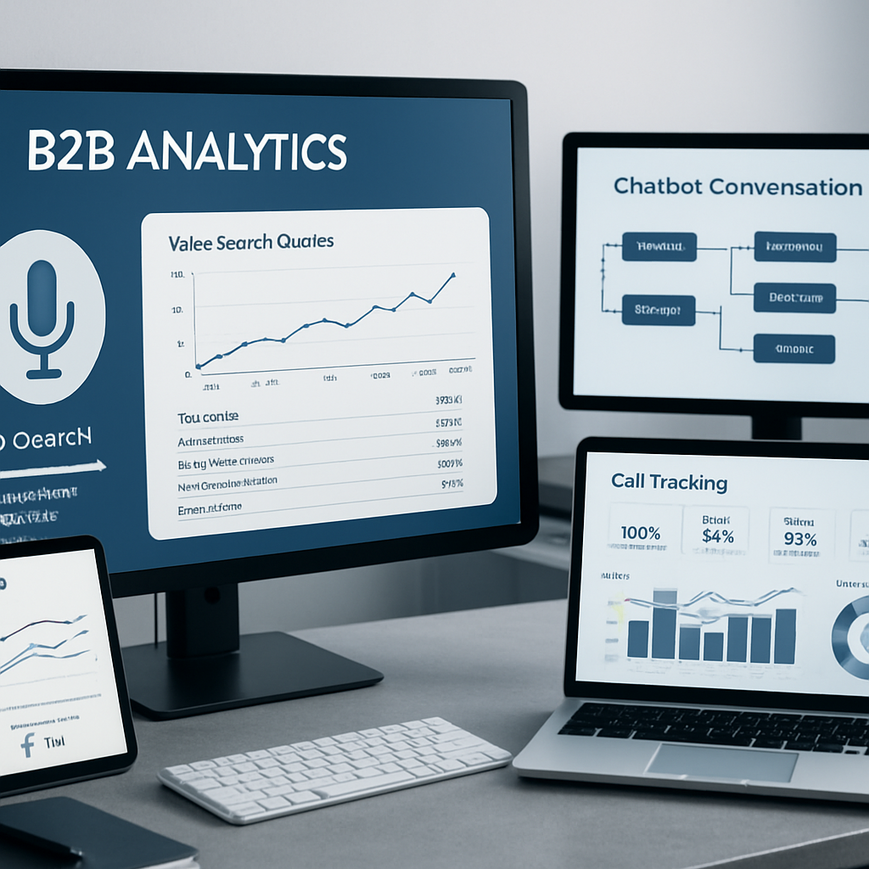
Tools that offer comprehensive dashboards and reporting capabilities are essential for B2B decision-makers to visualize performance at a glance. By understanding the entire customer lifecycle, from initial awareness to post-purchase support, companies can make informed decisions about where to allocate resources and how to refine their marketing and sales processes.
Optimizing Campaigns Through Continuous Measurement
Effective B2B digital marketing is an iterative process of testing, measuring, and optimizing. Key Performance Indicators (KPIs) relevant to B2B, such as Marketing Qualified Leads (MQLs), Sales Qualified Leads (SQLs), conversion rates, customer acquisition cost (CAC), and customer lifetime value (LTV), must be rigorously tracked. These metrics provide concrete evidence of campaign effectiveness and guide future strategy.
A/B testing different headlines, call-to-actions, email subject lines, or landing page layouts allows marketers to identify the most effective elements. Attribution modeling, which assigns credit to various touchpoints in the customer journey, helps in understanding the true impact of different marketing channels. This continuous cycle of measurement and refinement ensures that marketing efforts are always aligned with business objectives and are delivering measurable value.
Localized Impact: B2B Digital Marketing in Singapore and the Philippines
While the principles of AI, personalization, and data-driven strategies are universal, their application must be tailored to the specific market dynamics of Singapore and the Philippines. Understanding these local nuances is crucial for successful implementation.
Singapore: A Hub for Innovation and Digital Maturity
Singapore stands as a global financial and technological hub, characterized by a highly digitally mature business environment. B2B buyers here are often sophisticated, well-informed, and expect cutting-edge solutions. Marketing strategies must reflect this, focusing on advanced technical analysis, thought leadership, and demonstrating clear ROI. Compliance with data privacy regulations, such as the Personal Data Protection Act (PDPA), is also paramount, requiring robust data governance practices.
For B2B companies in Singapore, leveraging AI for advanced analytics and predictive modeling can provide a significant competitive edge, allowing for highly targeted campaigns in a crowded market. Personalization should focus on delivering highly relevant, value-driven content that addresses specific industry challenges and showcases technological superiority.
The Philippines: Rapid Digitalization and Emerging Opportunities
The Philippines represents a rapidly digitalizing market with immense growth potential. While digital adoption is soaring, particularly mobile-first usage, B2B marketing strategies need to balance technological sophistication with a strong emphasis on relationship-building and localized content. The importance of community and trust cannot be overstated, often requiring a more consultative and empathetic approach.
AI can assist in managing the scale of a growing market, automating lead qualification and customer service to handle high volumes efficiently. Personalization in the Philippines might involve tailoring content to specific regional needs or incorporating local cultural references where appropriate. Data-driven insights are vital for understanding the evolving digital behaviors of Filipino businesses and optimizing outreach across diverse channels.
Building a Future-Ready B2B Digital Strategy
The future of B2B digital marketing in Singapore and the Philippines is dynamic and full of opportunity. Success hinges on a proactive approach that integrates AI, hyper-personalization, and data-driven methodologies into the core of your marketing strategy. This involves not only adopting new technologies but also fostering a culture of continuous learning and adaptation.
Businesses must invest in the right platforms and tools that enable data integration and AI capabilities. They must also develop internal expertise or partner with agencies that possess deep knowledge of these advanced techniques and the specific market landscapes of Southeast Asia. The goal is to move beyond reactive marketing to a predictive, proactive, and highly personalized engagement model that anticipates buyer needs and delivers exceptional value.
Conclusion
The evolution of B2B digital marketing in Singapore and the Philippines is undeniable. AI, hyper-personalization, and data-driven strategies are not just buzzwords; they are the foundational pillars for achieving sustainable growth and establishing market leadership. By embracing these advanced approaches, B2B companies can create more efficient operations, deliver highly relevant experiences, and make informed decisions that drive measurable results.
The time to act is now. Partnering with a specialized B2B digital marketing agency like Sotavento Medios can provide the expertise and strategic guidance needed to implement these future-ready strategies, ensuring your business remains at the forefront of innovation in these vibrant Southeast Asian markets.

I am Tricia Huang Mei, an Advertising Partner in Sotavento Medios with over two decades of experience in the Singapore advertising and business sectors. My career is defined by a commitment to driving high-impact marketing campaigns and fostering sustainable growth for the diverse business portfolios I manage.