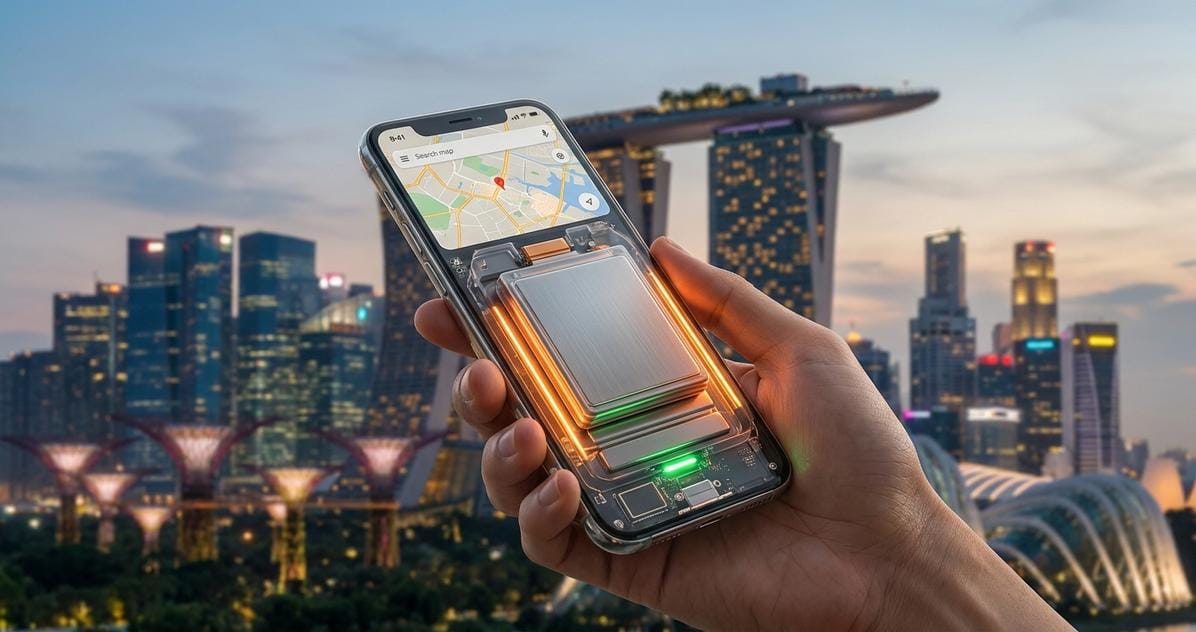
The demand for high-performance mobile devices is surging in Singapore and the Philippines, as these markets rapidly adopt AI-driven technologies. Solid-state batteries are emerging as critical components in powering this next generation of AI-native devices, offering significant advancements in energy efficiency, safety, and compactness. This article explores the technology behind solid-state batteries and their impact on mobile tech innovations in these regions.
Understanding Solid-State Battery Technology
Solid-state batteries differ from traditional lithium-ion batteries by using a solid electrolyte instead of a liquid one. This change enhances energy density and safety. By eliminating the flammable liquid electrolytes, these batteries reduce the risk of leaks and combustion, a crucial advancement for densely populated urban areas like Manila and Singapore City.
Technical Composition and Advantages
Solid-state batteries typically employ materials such as lithium metal anodes, solid electrolytes, and high-capacity cathodes. These components allow for greater charge capacity and faster recharge cycles, meeting the needs of advanced AI applications requiring constant power supplies without compromise.
Industry Examples and Adoption
Companies like Toyota and Samsung are at the forefront, pioneering solid-state battery applications in AI-native devices. Toyota’s approach involves using sulfide-based electrolytes to enhance conductivity, while Samsung focuses on leveraging these batteries’ compactness to revolutionize smartphone design.
Efficiency and Sustainability in AI-Mobile Devices
Beyond technical advantages, solid-state batteries contribute to sustainability goals. By offering higher efficiencies, they reduce the environmental footprint of mobile devices, a critical consideration for eco-conscious consumers in Southeast Asia.
Reduction in Environmental Impact
With higher energy density, fewer materials are required for battery production, leading to lower resource consumption. This aligns with initiatives in the Philippines and Singapore targeting long-term environmental sustainability in tech manufacturing.
Challenges and Future Prospects
Despite the benefits, solid-state batteries face production challenges such as high manufacturing costs and scalability hurdles. Innovations in material science and production techniques are essential to overcome these barriers and unlock the full potential of this technology in the AI-mobile space.
Research Directions and Innovations
Research is ongoing into cost-effective manufacturing processes and the development of novel solid electrolyte materials. Collaborations between academic institutions in Singapore and tech giants could spearhead breakthroughs in this field.
Impact on Mobile Tech Evolutions
As solid-state technology matures, it could revolutionize device form factors, enabling thinner, lighter, and more powerful AI-native mobile devices. This evolution presents opportunities for businesses to innovate new product categories.
Technical Implementation Checklist for Businesses
- Evaluate partnerships with solid-state battery manufacturers to integrate new battery technologies into product lines.
- Invest in R&D to explore proprietary applications of solid-state batteries in AI-driven devices, focusing on unique selling propositions that leverage enhanced performance.
- Assess supply chain adjustments needed to accommodate new production requirements for solid-state batteries.
- Stay informed about regulatory developments in Southeast Asia affecting battery imports and manufacturing standards.
- Consider customer education initiatives to highlight the benefits of solid-state technology, reinforcing brand positioning as an innovator in sustainability.

I am Tricia Huang Mei, an Advertising Partner in Sotavento Medios with over two decades of experience in the Singapore advertising and business sectors. My career is defined by a commitment to driving high-impact marketing campaigns and fostering sustainable growth for the diverse business portfolios I manage.