
Why “Technical SEO” Tools are Moving into CDN and Edge Logic Management
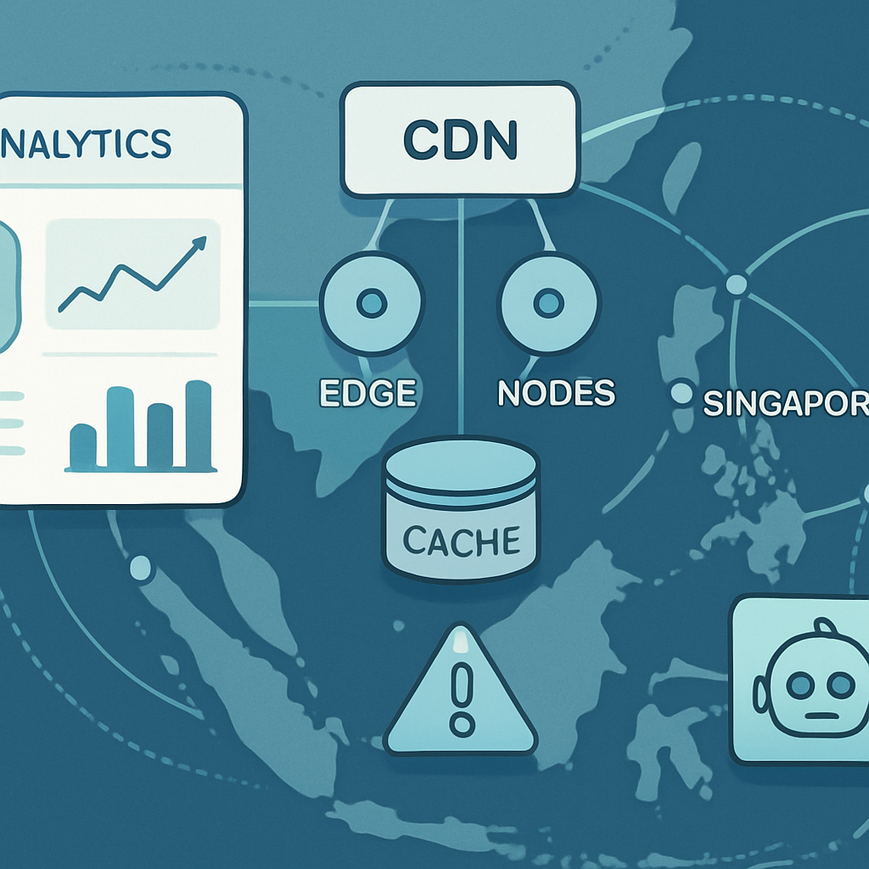
For Singapore and the Philippines, where digital commerce, SaaS, logistics, and fintech teams often operate across multiple countries and networks, technical SEO is no longer only about crawling, indexing, or XML sitemaps. Search performance now depends on how fast a page is rendered, how consistently content is served across geographies, and how precisely bots are […]
A Review of the Top 3 AI Content Detectors: Are They Reliable for SEOs?

For SEO teams in Singapore and the Philippines, AI content detection has moved from a curiosity to an operational issue. Agencies, in-house marketers, and content operations teams now need to decide whether a page was written by a human, assisted by AI, or generated with heavy machine support, especially when editorial governance, brand risk, and […]
Why Your SaaS Needs a Proprietary “Intent Discovery” Tool in 2026

For SaaS teams selling into Singapore and the Philippines, the old model of treating every site visit, form fill, and demo request as equal buying intent is no longer enough. Buyers move across multiple devices, use AI-assisted research, compare vendors through peer communities, and often stay invisible until late in the evaluation cycle. In high-density […]
How to Use Surfer SEO’s New “Topic Cluster” Generator for 2026 Authority
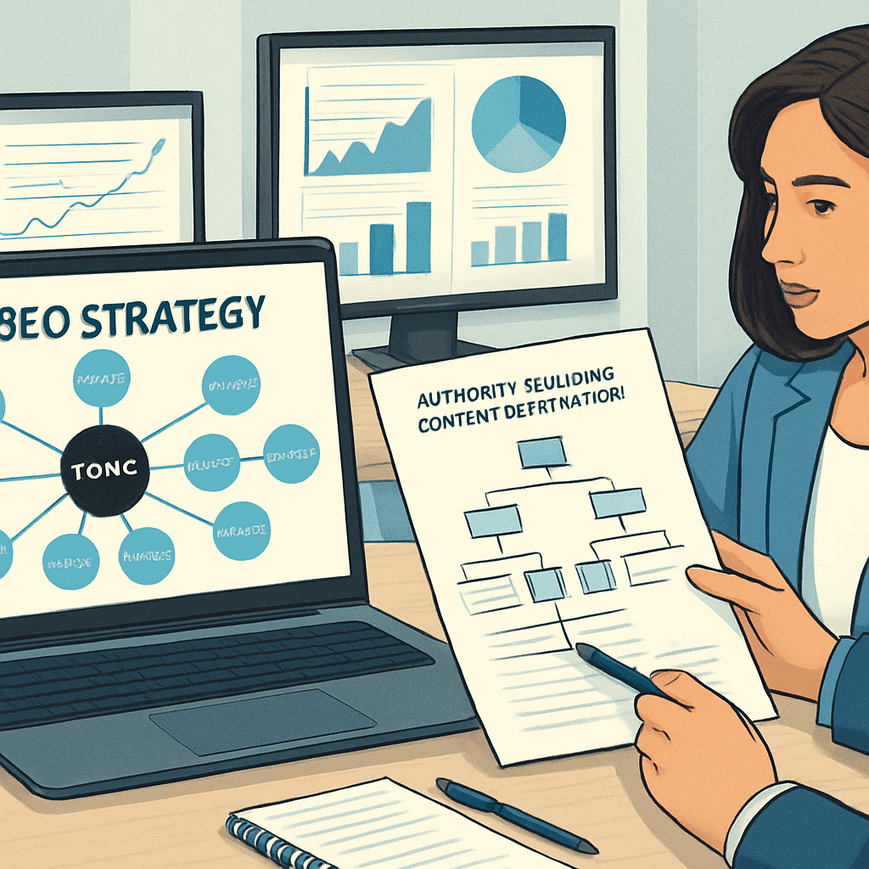
For B2B brands competing in Singapore and the Philippines, topical authority is no longer a loose content marketing goal. It is a structural requirement for earning visibility across search engines, AI-assisted discovery surfaces, and high-intent buyer research journeys. Surfer SEO’s new Topic Cluster Generator gives content teams a practical way to map a subject area, […]
How to Build a Custom SEO Dashboard Using Looker Studio and First-Party Data
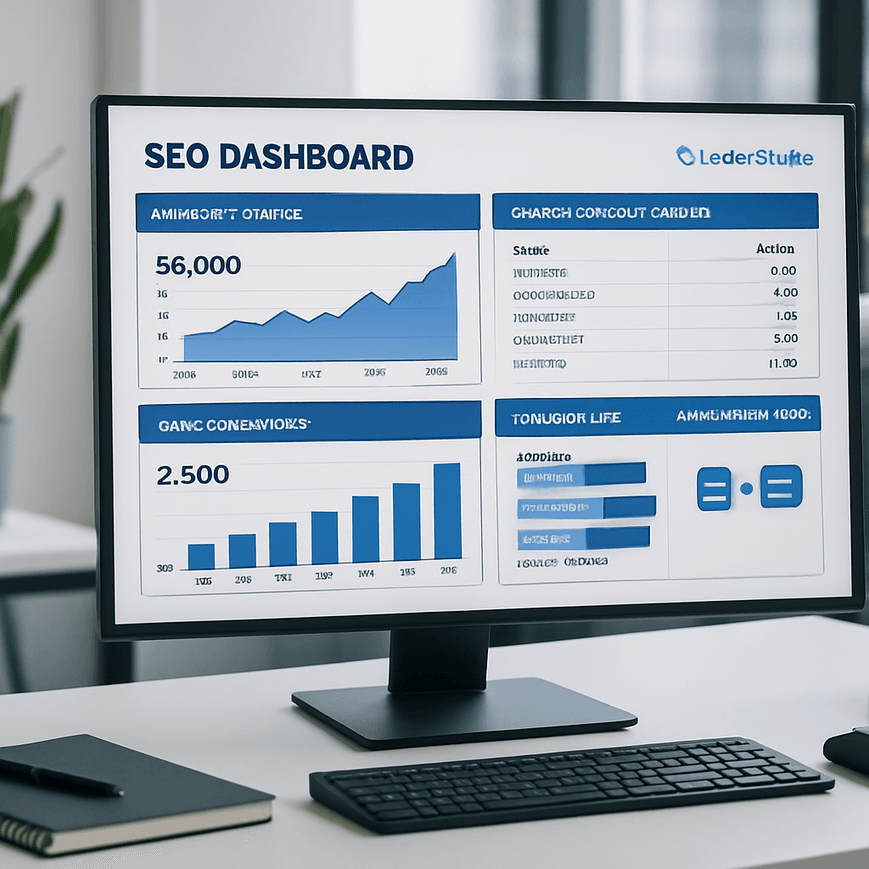
For teams in Singapore and the Philippines, SEO reporting has become more demanding as privacy rules tighten, third-party cookies lose reliability, and leadership expects faster business answers from search data. A custom SEO dashboard built in Looker Studio gives technical and marketing teams a single operating layer for organic performance, combining search console data, analytics […]
Why “Entity-Based” Keyword Research Tools are Replacing Traditional Volume Metrics
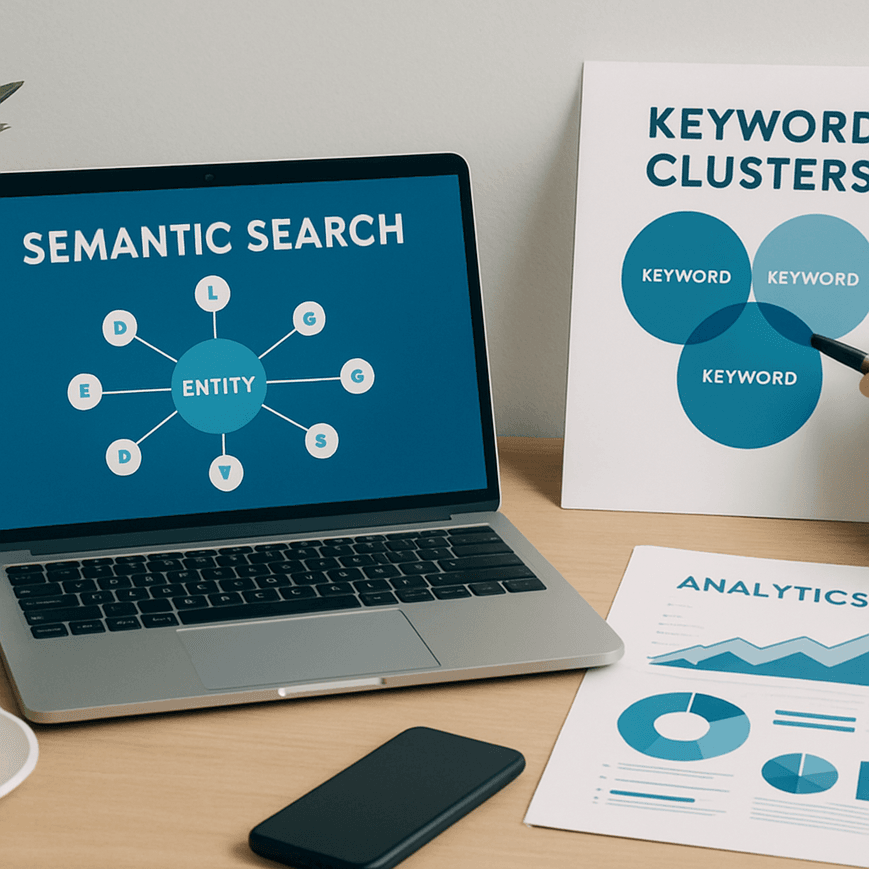
For businesses in Singapore and the Philippines, keyword research is no longer just about finding phrases with the highest search volume. Search behavior has become more semantic, more conversational, and more intent-driven across B2B buying journeys, especially in markets where decision-makers compare vendors across channels, devices, and content formats before they ever speak to sales. […]
The 2026 SEO Stack Audit: Is Your Current Toolkit Ready for Agentic Search?

For teams in Singapore and the Philippines, SEO is no longer just about ranking pages and tracking keyword positions. The growth of AI-assisted discovery, answer engines, and agentic search workflows is changing how users find, evaluate, and act on information. Business buyers are asking shorter questions, expecting direct answers, and relying on systems that can […]
How to Sync Your Social Media Community Management with Your CRM

For companies in Singapore and the Philippines, social media is not just a brand channel anymore. It is where product questions surface first, service issues escalate fastest, and buying intent often appears long before a form fill. If your community team is replying on Facebook, LinkedIn, Instagram, TikTok, and X while your sales and support […]
Why “Brand Advocacy” is the Only Way to Beat Increasing CAC (Customer Acquisition Cost)
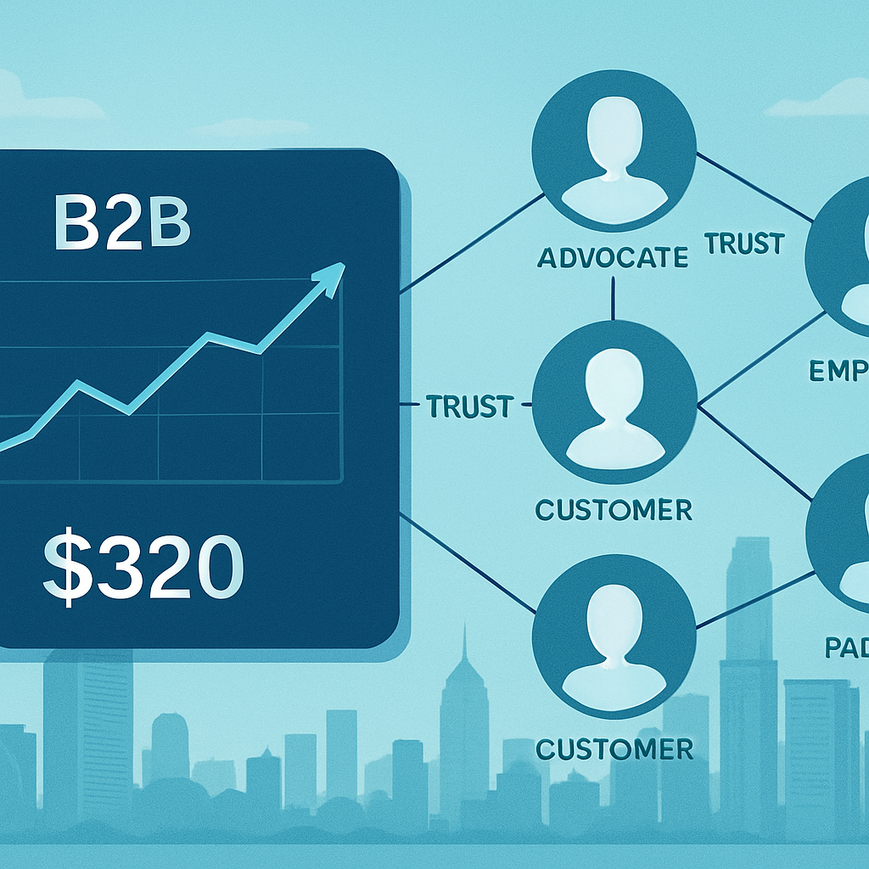
For business leaders in Singapore and the Philippines, rising Customer Acquisition Cost is not a temporary marketing inefficiency. It is the predictable result of more crowded paid media auctions, stricter privacy rules, shorter attention spans, and buyers who trust peers more than brand claims. In B2B, especially in markets where procurement is careful and decision […]
How to Use AI Agents to Audit Your Brand Sentiment Across the Web
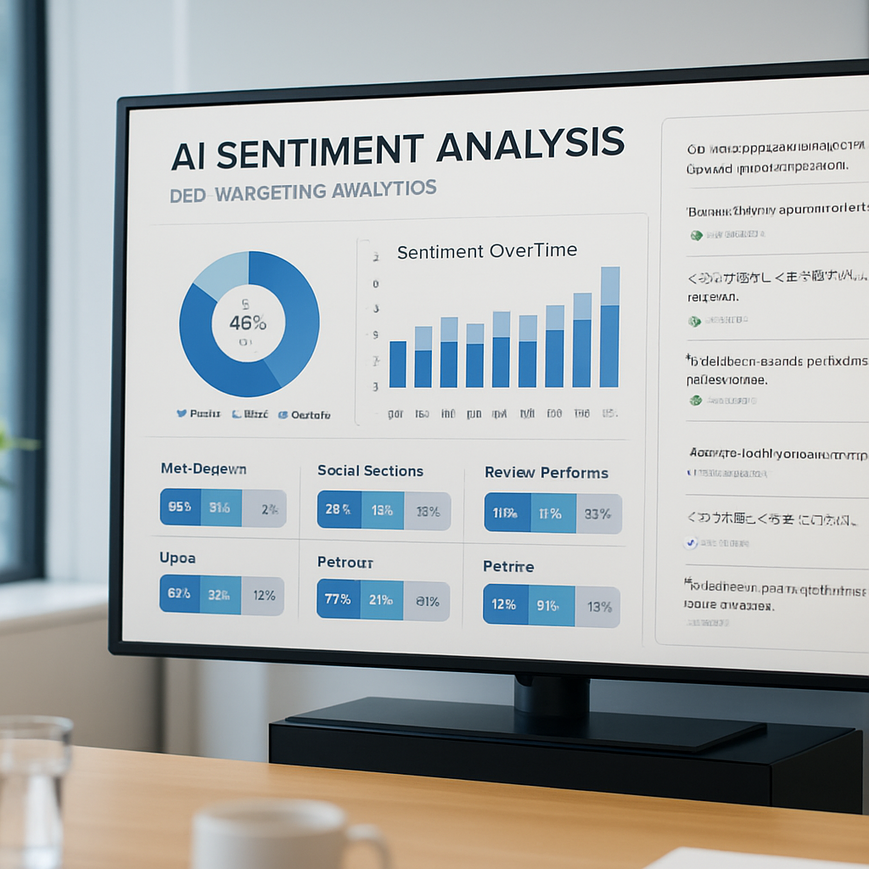
Brand sentiment no longer lives in one review site, one social channel, or one analyst report. For buyers in Singapore and the Philippines, perception is shaped across Google results, LinkedIn comments, Reddit threads, Glassdoor reviews, app stores, local forums, partner directories, and regional news coverage. A single negative pattern can influence procurement teams, technical evaluators, […]