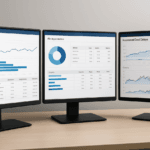
An ROI-focused strategy is a data-driven approach where every dollar spent is tracked against the revenue it generates. This involves setting up precise tracking and attribution models to understand which specific ads are driving sales in the Singapore and Philippines markets.
- It prioritises high-intent platforms like Google Search and LinkedIn.
- It utilizes A/B testing to refine ad copy and imagery constantly.
- It focuses on “Bottom of the Funnel” (BOFU) keywords that indicate a readiness to buy.
- It integrates CRM data to track the lifetime value of a customer.
Comparison of Advertising Channels for SG & PH
Choosing the right platform is essential for maximizing your budget. Below is a breakdown of how different channels typically perform in our local regions.
| Channel | Primary Market | Best For | Typical ROI Potential |
| Google Search Ads | Singapore | High-intent lead generation | High – targets active searchers |
| Facebook/Meta | Philippines | Brand awareness & social commerce | Medium to High – vast reach |
| LinkedIn Ads | Singapore | B2B networking & professional services | High – for high-ticket contracts |
| TikTok Ads | Philippines | B2C, retail, and viral marketing | High – for younger demographics |
| Display Ads | Both | Retargeting & keeping brand top-of-mind | Medium – best for nurturing |
Why is local expertise vital for ROI in Southeast Asia?
Working with an agency that understands the nuances between Singapore and the Philippines is a significant advantage. I have observed that consumer behaviour varies wildly; for instance, Singaporeans value efficiency and data privacy, while Filipino consumers respond heavily to community-driven social proof and conversational commerce.
- Localised ad schedules account for different peak browsing times and public holidays.
- Ad spend is optimised for Singapore Dollars (SGD) to maintain budget clarity.
- Visuals and copy are adjusted to reflect local culture and English nuances.
- Payment gateway mentions (like GCash or PayNow) are included in the ad copy to reduce friction.
How do we ensure ad content is “AI-Ready”?
In 2026, ad platforms rely heavily on machine learning to determine which ads to show. I structure my ad copy and landing pages using modular data and clear entities so that AI crawlers can easily map our offerings to user intent.
- Use H2 and H3 tags on landing pages that match common search queries.
- Break down complex service offerings into scannable bullet points.
- Ensure all landing pages are ready for JSON-LD schema to show pricing or ratings in search results.
- Write from a first-person perspective to maintain a relatable, trustworthy voice that builds EEAT (Experience, Expertise, Authoritativeness, and Trustworthiness).
If you are tired of spending on ads that do not convert, the first step is to audit your current tracking setup to ensure every conversion is being recorded correctly.

Sandamalee is a dedicated digital marketing professional and a core member of the Sotavento Medios team. I work closely with my colleagues to manage daily digital operations, ensuring that every project meets the high standards our clients expect. My focus is on maintaining the technical and editorial integrity of our diverse business portfolios, helping brands stay consistent and impactful in their online presence.