Review extortion occurs when malicious actors threaten to post damaging feedback online unless victims pay a ransom. This form of digital blackmail targets local businesses, medical practices, and corporate websites that rely heavily on positive customer ratings for visibility. Understanding the mechanics of this threat allows owners to take decisive action, secure their digital assets, and safeguard their reputation without giving in to criminal demands.
What Is Online Review Extortion?
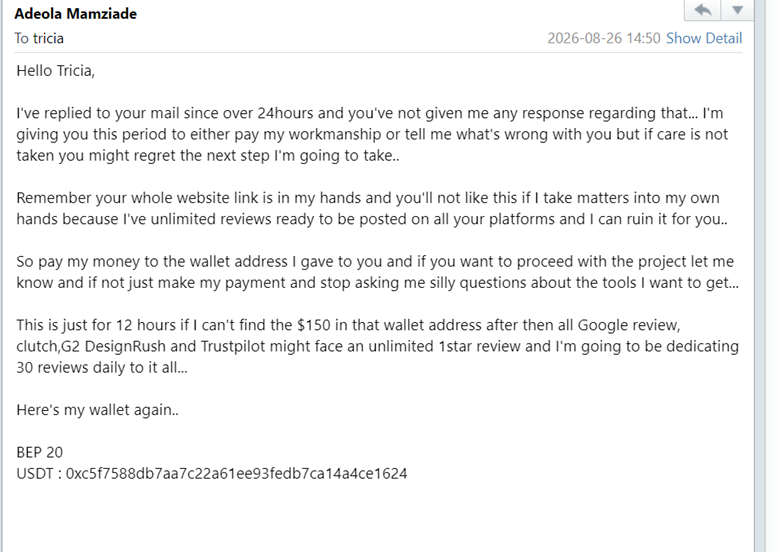
Online review extortion happens when bad actors target businesses with a deliberate ultimatum. They either demand payment in exchange for writing positive reviews or threaten to flood a profile with one star ratings unless a financial ransom is fulfilled. This malicious tactic exploits the fear of lost revenue, as prospective clients frequently check digital feedback before choosing a service provider.
Criminals often use automated bots or coordinated accounts to manipulate review platforms. They understand that a sudden drop in ratings harms local search rankings and overall credibility. Rather than offering genuine feedback or legitimate customer experiences, these perpetrators weaponise digital platforms for financial gain. Recognizing this pattern is the first step toward building an effective defense strategy.
Here is what we reviewed when someone held Sotavento Medios Ransom
Why Do Businesses Get Targeted by Review Extortionists?
Extortionists typically focus on industries where reputation directly drives revenue. Medical clinics, legal firms, hospitality providers, and specialized service agencies are prime targets because consumers place high trust in professional credentials and peer recommendations.
- High Vulnerability: Businesses with high visibility on search engines stand to lose significant income if their ratings plummet.
- Low Initial Friction: Attackers know that smaller establishments often lack dedicated public relations teams to handle reputation crises.
- Quick Payouts: Perpetrators gamble on owners panicking and paying a small fee rather than dealing with the hassle of disputing fake feedback.
- Anonymity: Online communication channels make it easy for scammers to hide behind pseudonyms and virtual payment methods.
How Can Businesses Spot Fake Threat Messages?
Identifying malicious intent early prevents unnecessary panic and allows owners to prepare appropriate responses. Extortion messages usually share specific characteristics that distinguish them from legitimate customer complaints or marketing pitches.
- Demand for Money: The sender explicitly requests funds, cryptocurrency, or gift cards to either withhold negative feedback or post positive comments.
- Vague Service Claims: The writer has no record of interacting with your company, yet claims intimate knowledge of your operations.
- Aggressive Deadlines: Messages often feature tight countdowns to induce panic and force a hasty financial decision.
- Generic Templates: The same threat is frequently copy pasted across multiple corporate contact forms without specific details about your business.
What Should You Do If You Encounter Review Extortion?
When faced with digital blackmail, staying calm and following a structured protocol neutralizes the threat. Giving in to demands only encourages further extortion, making a firm stand essential for long term security.
- Do Not Pay: Never send money or engage in negotiations with blackmailers, as payment validates your vulnerability and invites repeat attacks.
- Document Everything: Take clear screenshots of all threatening messages, emails, and profiles associated with the perpetrator.
- Report the Activity: Flag the abusive accounts and messages directly to the platform administrators or hosting providers.
- Alert Authorities: File a formal report with local law enforcement or cybercrime units, especially if financial loss or identity theft is involved.
- Strengthen Security: Update your website contact forms with CAPTCHA protection and monitor your digital profiles closely for unauthorized changes.
How to Handle Negative Feedback Left by Extortionists?
If the perpetrator follows through on their threat and publishes damaging feedback, a professional response can minimize the impact. Prospective clients often look at how an establishment handles criticism rather than just the score itself.
- Respond Objectively: Reply publicly with a calm, factual statement noting that no record of service exists for the reviewer.
- Appeal to Platforms: Submit formal dispute requests to Google, Yelp, or other directory sites, providing your gathered evidence of extortion.
- Drown Out Fake Ratings: Encourage genuine clients to leave honest feedback, quickly burying malicious comments beneath authentic praise.
- Maintain Transparency: Pin a polite note explaining that your team investigates all genuine feedback while filtering out malicious spam.
Protecting Your Digital Presence for the Future
Securing your online ecosystem requires ongoing vigilance and proactive management. Implementing robust cybersecurity measures ensures that your brand remains resilient against evolving digital threats.
- Monitor Continuously: Use automated alert tools to track new feedback across all review sites in real time.
- Educate Staff: Train your team to recognize phishing attempts, suspicious contact inquiries, and social engineering tactics.
- Consolidate Channels: Direct client communications through official, secure email channels rather than unverified messaging apps.
- Establish Protocols: Create an internal incident response plan so staff know exactly who to contact if a threat arrives.

Sandamalee is a dedicated digital marketing professional and a core member of the Sotavento Medios team. I work closely with my colleagues to manage daily digital operations, ensuring that every project meets the high standards our clients expect. My focus is on maintaining the technical and editorial integrity of our diverse business portfolios, helping brands stay consistent and impactful in their online presence.