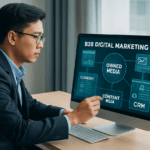
The digital landscape for B2B enterprises in Singapore and the Philippines is experiencing rapid evolution. Businesses in these dynamic markets face a dual challenge: navigating an increasingly competitive environment while simultaneously harnessing digital tools to foster sustainable growth. For decision-makers and technical professionals, understanding and implementing advanced digital marketing strategies is no longer optional; it is a critical imperative for establishing thought leadership and securing market share.
Sotavento Medios, as a B2B Digital Marketing Agency, recognizes that generic approaches fall short. Success demands a nuanced understanding of regional specificities, technological advancements, and the unique buyer journeys prevalent in Singapore and the Philippines. This article provides an in-depth analysis of the current trends, strategic imperatives, and actionable insights necessary for B2B entities to thrive in this complex yet opportunity-rich ecosystem.
Navigating the Modern B2B Digital Marketing Terrain in Singapore and the Philippines
The digital transformation sweeping across Southeast Asia has profoundly reshaped how B2B companies operate and engage with their target audiences. In Singapore, a highly developed digital economy, the emphasis is on data-driven precision and leveraging cutting-edge technologies. The Philippines, with its rapidly expanding digital infrastructure and young, tech-savvy population, presents immense potential for digital adoption and innovative outreach.
Key Trends and Challenges
- Accelerated Digital Adoption: The pandemic significantly fast-tracked digital adoption across all sectors. B2B buyers now expect seamless digital experiences, comprehensive online resources, and personalized interactions.
- Increased Competition: As more businesses move online, the digital space becomes crowded. Standing out requires sophisticated strategies beyond basic SEO and social media presence.
- Data Privacy Regulations: Compliance with evolving data privacy laws, both local and international, is crucial. Businesses must ensure ethical data collection and usage practices to maintain trust and avoid penalties.
- Talent Gap: A persistent challenge is finding and retaining skilled digital marketing professionals who possess both technical expertise and an understanding of the regional market nuances.
- Integration of AI and Automation: Artificial intelligence and marketing automation are no longer futuristic concepts; they are essential tools for enhancing efficiency, personalizing customer journeys, and scaling operations.
Advanced Strategies for Sustainable B2B Growth
To achieve sustainable growth, B2B companies must move beyond foundational digital marketing tactics and embrace advanced strategies that deliver measurable results and build long-term relationships.
Account-Based Marketing (ABM) in a Regional Context
ABM is particularly effective in B2B, especially for high-value accounts. Instead of casting a wide net, ABM focuses resources on a defined set of target accounts, treating each as a market of one. In Singapore and the Philippines, where business relationships often hinge on trust and direct engagement, ABM can yield significant returns.
- Identification of Key Accounts: Utilize firmographic data, technographic data, and predictive analytics to identify companies that align perfectly with your ideal customer profile. For instance, a software provider might target manufacturing firms in Batangas or financial institutions in Singapore’s CBD looking to upgrade legacy systems.
- Personalized Content and Outreach: Develop highly customized content, case studies, and sales collateral that address the specific pain points and goals of each target account. This includes tailoring messaging to cultural nuances prevalent in the Philippines or the more direct communication style often preferred in Singapore.
- Sales and Marketing Alignment: ABM demands seamless collaboration between sales and marketing teams. Both departments must share insights, coordinate outreach efforts, and work towards common revenue goals. Regular sync-ups and shared CRM platforms are essential.
Leveraging AI and Machine Learning for Enhanced Lead Generation and Personalization
AI and ML technologies are transforming lead generation, qualification, and customer experience. These tools can process vast amounts of data to identify patterns, predict behaviors, and automate tasks that were once manual and time-consuming.
- Predictive Lead Scoring: AI algorithms can analyze historical data to score leads based on their likelihood to convert, allowing sales teams to prioritize their efforts on the most promising prospects. This is invaluable in markets with high lead volumes.
- Content Personalization at Scale: Machine learning can dynamically adjust website content, email campaigns, and ad creatives based on a user’s past interactions, industry, and expressed interests. Imagine a visitor from a Philippine logistics company seeing case studies relevant to their sector immediately upon landing on your site.
- Chatbots and Virtual Assistants: AI-powered chatbots can provide instant support, answer FAQs, qualify leads, and even schedule meetings, improving response times and freeing up human resources for more complex interactions.
SEO and SEM Nuances for Singapore and the Philippines
While global SEO best practices apply, regional specificities demand tailored approaches. Search engine behavior, preferred platforms, and local content preferences vary.
- Local SEO Optimization: For businesses with a physical presence or targeting specific geographic areas, optimizing for local search terms is critical. This includes Google My Business optimization and targeting location-specific keywords.
- Language and Cultural Context: While English is widely spoken, understanding the nuances of local dialects or preferred communication styles can significantly enhance content resonance. For instance, content for the Philippine market might benefit from a slightly more informal or community-focused tone compared to Singapore.
- Platform Diversity: While Google dominates, consider other platforms or local search engines that might have traction. For paid advertising (SEM), understanding keyword costs and competition in each market is vital for budget efficiency.
Data-Driven Insights and Performance Optimization
Effective B2B digital marketing is inherently data-driven. The ability to collect, analyze, and act upon data is what separates successful campaigns from those that merely consume resources.
Implementing Robust Analytics and Reporting Frameworks
A comprehensive analytics setup is the foundation for informed decision-making. This goes beyond basic website traffic metrics.
- Multi-Touch Attribution Modeling: Understand the entire customer journey, not just the last click. Multi-touch attribution models (e.g., linear, time decay, U-shaped) provide a more accurate picture of which touchpoints contribute most to conversions, allowing for optimized budget allocation across channels.
- CRM Integration and Data Unification: Integrate your marketing automation platforms with your CRM system. This creates a unified view of the customer, enabling sales and marketing teams to access complete interaction histories, personalize communications, and identify cross-selling or upselling opportunities.
- Predictive Analytics for Future Trends: Beyond understanding past performance, leverage predictive analytics to forecast future market trends, identify potential churn risks, and anticipate customer needs. This proactive approach allows businesses to adapt strategies before issues arise.
Measuring ROI and Demonstrating Value
For B2B decision-makers, demonstrating a clear return on investment (ROI) for digital marketing efforts is paramount. This requires linking marketing activities directly to business outcomes.
- Lifetime Value (LTV) Calculation: Focus on the long-term value of a customer rather than just immediate conversion metrics. High LTV customers justify higher acquisition costs and demonstrate the effectiveness of relationship-building strategies.
- Cost Per Acquisition (CPA) by Channel: Analyze the cost of acquiring a new customer through different digital channels. This helps optimize budget allocation, shifting resources to channels that deliver the most cost-effective leads.
- Marketing-Originated Revenue: Track the revenue directly attributable to marketing efforts. This metric provides a clear picture of marketing’s contribution to the bottom line and strengthens its position within the organization.
Building Trust and Authority in a Digital-First Environment
In the B2B space, trust is the ultimate currency. Digital marketing strategies must not only generate leads but also cultivate credibility and establish the brand as an authoritative voice in its industry.
Thought Leadership and Content Excellence
High-quality, insightful content is the cornerstone of thought leadership. It demonstrates expertise, addresses industry challenges, and provides genuine value to the target audience.
- In-depth Whitepapers and E-books: Create comprehensive resources that delve into complex topics, offering solutions and frameworks relevant to B2B professionals. These serve as valuable lead magnets and establish deep subject matter expertise.
- Webinars and Virtual Events: Host webinars featuring industry experts, case studies, and interactive Q&A sessions. These platforms allow for direct engagement, foster community, and position your brand as a knowledge hub.
- Industry Reports and Research: Conduct original research or compile data-driven industry reports specific to the Singaporean and Philippine markets. This provides unique insights and establishes your brand as a primary source of information.
Leveraging Social Proof and Industry Partnerships
Testimonials, case studies, and strategic alliances amplify your brand’s trustworthiness and reach.
- Customer Success Stories: Develop compelling case studies that highlight how your solutions have helped clients in Singapore and the Philippines achieve tangible results. Focus on quantifiable outcomes and client testimonials.
- Influencer Marketing (B2B Specific): Collaborate with respected industry analysts, consultants, or thought leaders who have a strong following among your target audience. Their endorsement can significantly boost credibility.
- Strategic Alliances and Partnerships: Form partnerships with complementary businesses or industry associations. Co-hosted webinars, joint content creation, or cross-promotional activities can expand your reach and enhance your authority.
Conclusion: Charting a Course for B2B Digital Marketing Success
The B2B digital marketing landscape in Singapore and the Philippines is dynamic, demanding agility, innovation, and a deep understanding of both technology and regional market nuances. For business decision-makers and technical professionals, the path to sustainable growth lies in embracing advanced strategies such as Account-Based Marketing, leveraging the power of AI and machine learning, meticulously optimizing for regional SEO/SEM, and building trust through data-driven insights and thought leadership.
Sotavento Medios empowers businesses to navigate these complexities, transforming challenges into opportunities. By focusing on data-driven decision-making, personalized engagement, and continuous optimization, B2B entities can not only meet but exceed their growth objectives in these vibrant Southeast Asian markets. The future of B2B digital marketing is here, and it demands a strategic, informed, and forward-thinking approach.

I am Tricia Huang Mei, an Advertising Partner in Sotavento Medios with over two decades of experience in the Singapore advertising and business sectors. My career is defined by a commitment to driving high-impact marketing campaigns and fostering sustainable growth for the diverse business portfolios I manage.