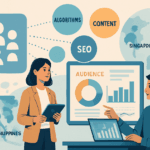
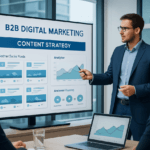
The B2B digital marketing landscape in Singapore and the Philippines is experiencing a profound transformation. As businesses in these dynamic economies navigate an increasingly competitive environment, the imperative to connect with decision-makers and technical professionals effectively has never been greater. Traditional marketing approaches are giving way to sophisticated, technology-driven strategies that promise unprecedented levels of efficiency, engagement, and return on investment. This article explores the pivotal roles of artificial intelligence, hyper-personalization, and data-driven insights in shaping the future of B2B digital marketing across Southeast Asia, offering actionable strategies for businesses aiming to establish thought leadership and drive sustainable growth. We will delve into how these advanced methodologies are not just trends, but fundamental shifts that redefine how B2B enterprises engage with their target audiences, from lead generation to customer retention. The focus remains on practical applications and strategic implications for the unique market dynamics found within Singapore and the Philippines.
The AI Revolution in B2B Marketing: Beyond Automation
Artificial intelligence is no longer a futuristic concept; it is a present-day reality fundamentally reshaping B2B marketing operations. For businesses in Singapore and the Philippines, AI offers a powerful toolkit to enhance efficiency, predict market trends, and optimize customer interactions. Its application extends far beyond simple automation, enabling marketers to achieve a deeper understanding of their audience and deliver more impactful campaigns.
AI-Powered Content Creation and Curation
AI tools are revolutionizing content strategy by assisting in generating diverse content formats, from blog posts and email subject lines to social media updates. More importantly, AI can analyze vast datasets to identify trending topics, predict content performance, and even personalize content recommendations for specific segments. This allows B2B marketers to produce highly relevant and engaging material at scale, a critical advantage in markets where information overload is common. For example, an AI-driven platform might identify a surge in interest for cloud security solutions among IT directors in Manila, prompting the creation of targeted whitepapers or webinars.
Predictive Analytics for Lead Scoring and Sales Forecasting
One of AI’s most significant contributions is its ability to process complex data points to predict future outcomes. In B2B marketing, this translates into more accurate lead scoring, where AI algorithms assess a lead’s likelihood to convert based on historical data, engagement patterns, and demographic information. This empowers sales teams to prioritize high-potential leads, significantly improving conversion rates. In Singapore, where B2B sales cycles can be lengthy and involve multiple stakeholders, predictive analytics provides a strategic edge by focusing resources on the most promising opportunities. Furthermore, AI can forecast sales trends, helping businesses in the Philippines to better allocate marketing budgets and plan for future growth.
Optimizing Ad Spend and Campaign Performance
AI algorithms excel at real-time optimization of digital advertising campaigns. By continuously analyzing performance metrics across various channels, AI can adjust bidding strategies, target audiences, and creative elements to maximize ROI. This level of dynamic optimization is virtually impossible for human marketers to achieve manually. For a B2B agency in Singapore managing campaigns across LinkedIn, Google Ads, and industry-specific platforms, AI ensures that every dollar spent is working towards the most efficient outcome, reaching the right business decision-makers with the most compelling message.
Hyper-Personalization at Scale: Engaging the Modern B2B Buyer
The modern B2B buyer, particularly in tech-savvy markets like Singapore and the Philippines, expects a personalized experience that mirrors the consumer-grade interactions they encounter daily. Generic messaging no longer suffices. Hyper-personalization, driven by data and AI, allows B2B marketers to deliver highly relevant content, offers, and communications tailored to individual buyer needs, preferences, and journey stages.
Dynamic Content Delivery Based on Buyer Journey
Understanding where a B2B prospect is in their buying journey is crucial for effective engagement. Hyper-personalization enables dynamic content delivery, presenting different information to a prospect in the awareness stage versus one in the decision stage. For example, a business decision-maker in Cebu researching enterprise resource planning (ERP) solutions might receive an introductory guide on “The Benefits of ERP for SMEs” at the awareness stage. As they progress, they might then receive a case study detailing a successful ERP implementation in a similar Philippine company, followed by a personalized demo offer. This ensures that every interaction adds value and moves the prospect closer to conversion.
Tailored Email Marketing and Account-Based Marketing (ABM)
Email remains a cornerstone of B2B communication. Hyper-personalization transforms email marketing from mass blasts into targeted, one-to-one conversations. This involves segmenting audiences based on industry, company size, role, and past interactions, then crafting emails with specific pain points and solutions. For ABM strategies, which are gaining traction in Singapore for high-value accounts, personalization is paramount. Each target account receives a bespoke marketing and sales approach, with content, events, and outreach efforts meticulously designed for their unique challenges and opportunities. This level of customization builds stronger relationships and significantly increases the likelihood of closing complex deals.
Personalized Website Experiences and Chatbots
A B2B website should not be a static brochure. With personalization, a visitor from a specific industry or company can see tailored content, case studies, and product recommendations upon arrival. This enhances relevance and improves user experience. Furthermore, AI-powered chatbots are becoming increasingly sophisticated, offering personalized support, answering technical questions, and even qualifying leads in real-time. For a business in the Philippines operating across different time zones, a 24/7 personalized chatbot can provide immediate assistance, capturing valuable information and ensuring no lead is missed.
Data-Driven Decisions: The Core of Future B2B Success
In the complex B2B ecosystem of Singapore and the Philippines, data is the new currency. The ability to collect, analyze, and act upon vast amounts of data is what differentiates leading businesses from their competitors. Data-driven strategies move marketing from guesswork to precision, allowing for continuous optimization and measurable results.
Unified Data Platforms and Customer 360 Views
Fragmented data across various systems (CRM, marketing automation, analytics platforms) hinders a holistic understanding of the B2B customer. The future demands unified data platforms that consolidate all customer interactions and data points into a single “Customer 360” view. This comprehensive perspective allows marketers to understand customer behavior across touchpoints, identify patterns, and predict future needs. For a B2B company serving diverse industries in both Singapore and the Philippines, a unified data platform provides the clarity needed to segment effectively and personalize at scale, ensuring consistent messaging and a seamless customer journey.
Attribution Modeling and ROI Measurement
Understanding which marketing efforts contribute to revenue is critical for optimizing spend. Advanced attribution modeling, moving beyond last-click, provides a clearer picture of the entire customer journey and the impact of each touchpoint. This allows B2B marketers to accurately measure the ROI of their campaigns, justifying budgets and refining strategies. For example, a B2B software provider in Singapore can use multi-touch attribution to determine if an early-stage whitepaper download, a mid-journey webinar, or a late-stage product demo had the most significant influence on a closed deal, thereby optimizing future content and channel investments.
Ethical Data Usage and Privacy Compliance
As data collection becomes more pervasive, ethical considerations and privacy compliance are paramount. Businesses operating in Singapore and the Philippines must adhere to local data protection regulations, such as the Personal Data Protection Act (PDPA) in Singapore. Building trust with B2B clients involves transparent data practices, ensuring data security, and respecting privacy choices. Demonstrating a commitment to ethical data usage not only ensures compliance but also enhances brand reputation and fosters long-term client relationships. This is especially important when dealing with sensitive business information.
Navigating the Singaporean and Philippine B2B Landscape
While the principles of AI, personalization, and data-driven marketing are universal, their application must be adapted to the specific nuances of the Singaporean and Philippine markets. Both regions present unique opportunities and challenges for B2B digital marketers.
Singapore: A Hub for Innovation and Advanced Technologies
Singapore stands as a global financial and technological hub, characterized by a highly digitalized business environment and a strong emphasis on innovation. B2B decision-makers in Singapore are generally tech-savvy and open to adopting advanced solutions. Marketing strategies here should focus on demonstrating clear ROI, technical sophistication, and alignment with global best practices. Content should be highly analytical, data-rich, and position the brand as a thought leader in cutting-edge solutions. Networking and partnerships within the vibrant tech ecosystem are also crucial.
Philippines: Rapid Growth and Digital Adoption
The Philippines represents a rapidly growing market with increasing digital adoption across various industries. While digital maturity may vary, there is a strong appetite for solutions that drive efficiency and growth. B2B marketing in the Philippines often benefits from a balance of digital outreach and relationship-building. Content should be practical, problem-solution oriented, and clearly articulate the value proposition in the context of local business challenges. Emphasizing local success stories and providing accessible educational resources can be particularly effective in building trust and driving engagement. The burgeoning SME sector also presents significant opportunities for scalable digital marketing solutions.
Bridging the Digital Divide and Localizing Strategies
Despite advancements, a digital divide can still exist within certain sectors or regions. B2B marketers must be mindful of varying levels of digital literacy and internet infrastructure. Strategies should be flexible, potentially incorporating a mix of advanced digital tactics with more traditional, localized approaches where appropriate. Localization extends beyond language; it involves understanding cultural nuances, business practices, and regulatory environments in both Singapore and the Philippines to ensure marketing messages resonate authentically.
Conclusion
The future of B2B digital marketing in Singapore and the Philippines is undeniably shaped by the intelligent integration of AI, hyper-personalization, and data-driven strategies. For B2B agencies and businesses like Sotavento Medios, embracing these advancements is not merely an option but a strategic imperative to establish thought leadership and achieve sustainable growth. By leveraging AI for efficiency and predictive insights, delivering hyper-personalized experiences that resonate with individual buyers, and making informed decisions based on robust data analysis, businesses can unlock new levels of engagement and conversion. The unique dynamics of Singapore’s innovative hub and the Philippines’ rapidly expanding digital landscape demand tailored approaches that are both technologically advanced and culturally sensitive. The path forward involves continuous learning, agile adaptation, and a steadfast commitment to delivering exceptional value to B2B decision-makers and technical professionals across these vital Southeast Asian markets. Embrace these transformative forces to secure your competitive advantage and lead the charge in the evolving B2B digital arena.

I am Tricia Huang Mei, an Advertising Partner in Sotavento Medios with over two decades of experience in the Singapore advertising and business sectors. My career is defined by a commitment to driving high-impact marketing campaigns and fostering sustainable growth for the diverse business portfolios I manage.