The B2B landscape across Southeast Asia, particularly in dynamic markets like Singapore and the Philippines, is undergoing a profound transformation. Traditional marketing approaches are rapidly being overtaken by sophisticated digital strategies. Business decision-makers and technical professionals in these regions are no longer passive recipients of information; they actively seek solutions, insights, and value tailored to their specific challenges. For B2B digital marketing agencies like Sotavento Medios, establishing thought leadership and delivering tangible results hinges on embracing the next frontier: the convergence of artificial intelligence (AI), hyper-personalization, and robust data-driven methodologies. This article explores how these pillars are reshaping B2B engagement and provides actionable insights for businesses aiming to thrive in this competitive environment. The future of B2B digital marketing is not just about being online; it is about being intelligent, relevant, and deeply connected to the customer journey.
The Evolving B2B Buyer Journey in Southeast Asia
The path a B2B buyer takes from initial awareness to purchase has become increasingly complex and digital-centric. In Singapore, a highly connected market, and the Philippines, with its rapidly expanding digital infrastructure, B2B professionals conduct extensive online research before engaging with sales teams.
Digital-First Engagement
Today’s B2B buyers in Southeast Asia start their journey online. They consult industry reports, read expert blogs, participate in webinars, and compare solutions through digital channels. This shift means that a strong digital presence is no longer a luxury but a fundamental requirement. Companies must provide valuable content at every stage of the buyer’s research, from problem identification to solution evaluation. This includes detailed whitepapers, case studies relevant to regional challenges, and engaging video content that addresses specific pain points.
Demand for Hyper-Personalization
Generic messaging fails to resonate with sophisticated B2B buyers. They expect content, product recommendations, and communication that directly addresses their industry, company size, role, and specific business needs. This demand for hyper-personalization extends beyond initial outreach; it influences the entire customer lifecycle, from lead nurturing to post-sales support. Businesses that can deliver highly relevant experiences gain a significant competitive edge.
The Role of Data in Understanding Buyer Behavior
Understanding the nuances of B2B buyer behavior in Singapore and the Philippines requires robust data collection and analysis. This includes tracking website interactions, content consumption patterns, email engagement, and CRM data. By analyzing these data points, marketers can identify trends, predict future needs, and refine their strategies to better align with buyer expectations. Data becomes the compass guiding all marketing efforts, ensuring resources are allocated effectively and messages hit their mark.
AI as the Catalyst for B2B Marketing Transformation
Artificial intelligence is no longer a futuristic concept; it is a present-day imperative for B2B marketers seeking efficiency, scale, and precision. AI tools are revolutionizing how businesses interact with prospects and customers in Southeast Asia.
AI-Powered Content Creation and Optimization
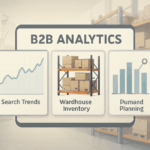
Generating high-quality, relevant content consistently is a significant challenge. AI-powered tools can assist in various aspects, from generating blog post outlines and drafting initial content to optimizing existing material for SEO. For example, AI can analyze search trends in Singapore and the Philippines to identify popular keywords and topics, ensuring content is discoverable. It can also personalize content delivery, presenting different versions of a landing page or email based on user profiles, thereby increasing engagement and conversion rates.
Predictive Analytics for Lead Scoring and Nurturing
AI excels at identifying patterns in vast datasets. In B2B marketing, this translates to superior lead scoring. By analyzing historical data, AI algorithms can predict which leads are most likely to convert, allowing sales teams to prioritize their efforts. Furthermore, AI can automate lead nurturing sequences, sending personalized emails or recommending relevant resources at optimal times, significantly improving the efficiency of the sales funnel. This is particularly valuable in markets where sales cycles can be long and complex.
Conversational AI and Chatbots
The immediate availability of information is critical for B2B buyers. Conversational AI and chatbots provide instant responses to queries, qualify leads, and guide prospects through the sales process 24/7. In a region like Southeast Asia, where businesses operate across different time zones and have diverse language needs, AI-powered chatbots can offer consistent, scalable support, enhancing the user experience and freeing up human resources for more complex interactions. These tools can be trained on specific product knowledge and regional business contexts to provide highly accurate and helpful responses.
Mastering Personalization at Scale for B2B Success
Personalization is about delivering the right message to the right person at the right time. Achieving this at scale in the B2B context, especially across diverse markets like Singapore and the Philippines, requires sophisticated strategies.
Segmenting Audiences with Granular Data
Effective personalization begins with deep audience segmentation. Moving beyond broad industry classifications, B2B marketers must segment based on firmographics (company size, revenue, industry sub-segment), technographics (technology stack used), behavioral data (website visits, content downloads), and intent data (keywords searched, competitor research). This granular segmentation allows for the creation of highly specific buyer personas and tailored marketing campaigns. For instance, a software vendor might target companies in Singapore’s financial sector using specific fintech solutions, while offering a different message to manufacturing firms in the Philippines.
Dynamic Content Delivery
Once audiences are segmented, dynamic content delivery ensures that each segment receives relevant information. This involves using marketing automation platforms to automatically adjust website content, email subject lines, ad creatives, and even sales collateral based on the user’s profile and behavior. Imagine a prospect visiting a software company’s website; dynamic content could automatically highlight case studies from their industry or showcase features most relevant to their company size, creating a far more engaging and persuasive experience.
Account-Based Marketing (ABM) in a Personalized Era
Account-Based Marketing (ABM) is inherently personalized, focusing resources on a defined set of high-value accounts. In the personalized era, ABM leverages AI and data to identify target accounts, understand their specific needs, and orchestrate highly customized campaigns across multiple channels. For B2B businesses operating in Singapore and the Philippines, ABM allows for a concentrated effort on key strategic clients, leading to higher conversion rates and stronger client relationships. This approach ensures that marketing and sales efforts are perfectly aligned and focused on the accounts that matter most.
Data-Driven Strategies: The Foundation of Modern B2B Marketing
Data is the lifeblood of modern B2B digital marketing. Without a robust data strategy, AI and personalization efforts will fall short. Businesses must prioritize collecting, analyzing, and acting upon data to drive informed decisions.
Unified Data Platforms and CRM Integration
Many B2B organizations struggle with fragmented data residing in disparate systems. A unified data platform, often integrated with a powerful CRM system, consolidates all customer and prospect data into a single source of truth. This holistic view enables marketers to track the entire customer journey, understand interactions across touchpoints, and create a comprehensive profile for each account. For businesses in Singapore and the Philippines, this integration is crucial for maintaining consistency across diverse sales and marketing operations.
Measuring ROI and Optimizing Campaigns
Data-driven marketing emphasizes measurable results. By setting clear KPIs and continuously tracking performance metrics such as lead-to-opportunity conversion rates, customer acquisition cost (CAC), and customer lifetime value (CLTV), businesses can accurately assess the ROI of their marketing initiatives. Tools for attribution modeling help understand which touchpoints contribute most to conversions. This allows for continuous optimization, shifting budgets and refining strategies based on real-world performance, ensuring maximum impact in competitive markets.
Navigating Data Privacy and Compliance
As data collection becomes more sophisticated, so does the importance of data privacy and compliance. In Singapore, the Personal Data Protection Act (PDPA) sets strict guidelines for data handling, while the Philippines also has its own Data Privacy Act. B2B marketers must ensure their data collection, storage, and usage practices adhere to these regulations. Building trust with prospects and customers through transparent data practices is not just a legal requirement but a fundamental aspect of ethical marketing and long-term brand reputation.
Implementing Future-Forward Strategies in Singapore and the Philippines
Translating these advanced concepts into practical implementation requires strategic planning and a commitment to innovation.
Building an Agile Marketing Team
The rapid pace of technological change demands an agile marketing team capable of adapting quickly. This means fostering a culture of continuous learning, cross-functional collaboration, and iterative experimentation. Teams should be empowered to test new tools, analyze results, and pivot strategies based on performance data. For B2B agencies and internal marketing departments in Singapore and the Philippines, investing in upskilling teams in AI, data analytics, and marketing automation is paramount.
Investing in the Right Technology Stack
The success of AI, personalization, and data-driven strategies heavily relies on the underlying technology stack. This includes CRM systems, marketing automation platforms, analytics tools, content management systems, and AI-powered solutions for specific tasks. Businesses must carefully evaluate their needs and invest in a MarTech stack that integrates seamlessly and scales with their growth ambitions. Choosing solutions that offer regional support and compliance features is also a critical consideration for businesses operating in Southeast Asia.
Cultivating a Culture of Experimentation and Learning
The digital marketing landscape is constantly evolving. A culture that embraces experimentation and continuous learning is essential for staying ahead. This involves setting up A/B tests for different content formats, personalization tactics, and campaign structures. Analyzing the results, sharing insights, and applying learnings to future campaigns creates a virtuous cycle of improvement. This proactive approach ensures that B2B businesses in Singapore and the Philippines remain at the forefront of digital innovation.
Conclusion
The future of B2B digital marketing in Singapore and the Philippines is undeniably shaped by the transformative power of AI, hyper-personalization, and data-driven strategies. For business decision-makers and technical professionals, understanding and implementing these advanced approaches is no longer optional; it is a strategic imperative for achieving sustainable growth and establishing market leadership. By embracing a digital-first mindset, leveraging AI for efficiency and insight, mastering personalization at scale, and building a robust data foundation, B2B organizations can unlock unprecedented opportunities. The time to evolve is now. Businesses that proactively integrate these future-forward strategies will not only meet the evolving demands of their sophisticated buyers but will also forge stronger, more profitable relationships in the dynamic Southeast Asian market. Begin your transformation today to secure your competitive advantage.

I am Tricia Huang Mei, an Advertising Partner in Sotavento Medios with over two decades of experience in the Singapore advertising and business sectors. My career is defined by a commitment to driving high-impact marketing campaigns and fostering sustainable growth for the diverse business portfolios I manage.