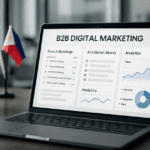
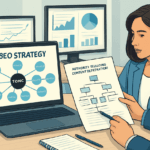
The digital landscape across Southeast Asia, particularly in Singapore and the Philippines, is undergoing a profound transformation. For business-to-business (B2B) enterprises operating in these dynamic markets, staying ahead means more than just adopting new technologies; it requires a strategic embrace of innovation. Artificial Intelligence (AI) is no longer a futuristic concept but a present-day imperative, redefining how B2B companies engage with prospects, nurture leads, and drive revenue. This article explores the critical role of AI in shaping the future of B2B digital marketing in Singapore and the Philippines, offering advanced technical insights and actionable strategies for 2024 and beyond.
The Current Landscape of B2B Digital Marketing in Southeast Asia
Digital Maturity and Market Dynamics
Singapore stands as a global leader in digital infrastructure and innovation, boasting high internet penetration and a tech-savvy business environment. Its B2B sector often leverages sophisticated platforms and data analytics. The Philippines, while rapidly advancing, presents a different landscape characterized by a burgeoning digital economy, a young and mobile-first population, and increasing investment in digital transformation initiatives. Both markets share a common thread: a growing expectation for personalized, efficient, and data-driven interactions from B2B vendors.
The competitive intensity in both regions demands that B2B marketers move beyond traditional approaches. Companies are increasingly seeking solutions that offer measurable ROI, streamline operations, and provide a competitive edge. The shift towards digital channels has accelerated, making online visibility, engagement, and conversion more critical than ever.
Challenges for B2B Marketers
Despite the opportunities, B2B marketers in Singapore and the Philippines face significant hurdles. Data fragmentation across various platforms often leads to incomplete customer profiles, hindering effective personalization. Scaling personalized outreach to a diverse and expanding audience is a constant struggle. Measuring the true return on investment for complex B2B campaigns remains a challenge, often due to attribution complexities and long sales cycles. Furthermore, the rapid evolution of digital tools and techniques creates a talent gap, requiring continuous upskilling and adaptation.
These challenges highlight a pressing need for solutions that can process vast amounts of data, automate repetitive tasks, and provide predictive insights. This is precisely where AI offers a transformative advantage, moving B2B marketing from reactive to proactive, and from generalized to hyper-targeted.
AI’s Transformative Impact on B2B Marketing Funnels
AI is fundamentally reshaping every stage of the B2B marketing funnel, from initial awareness to post-sale retention. Its capabilities extend beyond mere automation, offering intelligence that enhances decision-making and optimizes customer journeys.
Redefining Lead Generation and Qualification
Traditional lead generation often involves manual research and broad targeting. AI revolutionizes this by employing predictive analytics to identify high-intent prospects based on their digital footprint, firmographics, technographics, and behavioral patterns. AI-powered lead scoring models analyze vast datasets to assign a probability of conversion, allowing sales teams to prioritize their efforts on the most promising leads. This precision significantly reduces wasted resources and shortens sales cycles. For example, an AI system might identify a company in Singapore downloading specific whitepapers and visiting competitor websites as a high-value prospect, prompting immediate, tailored outreach.
Hyper-Personalization at Scale
Personalization is no longer a luxury but an expectation. AI enables B2B marketers to deliver hyper-personalized experiences at scale, something previously unattainable. AI algorithms can dynamically adjust website content, recommend relevant resources, and craft highly targeted email campaigns based on an individual’s past interactions, industry, role, and expressed interests. Imagine a procurement manager in the Philippines receiving an email with case studies directly relevant to their industry’s specific challenges, rather than a generic newsletter.
Optimizing Campaign Performance
AI provides real-time insights into campaign performance, allowing for immediate optimization. This includes AI-driven bid management for paid advertising, dynamic audience segmentation based on engagement metrics, and automated A/B testing of creative assets and messaging. AI can identify underperforming elements, suggest improvements, and even execute changes autonomously, ensuring marketing spend is always maximized for impact. This continuous optimization leads to higher conversion rates and a more efficient allocation of marketing budgets.
Enhanced Customer Experience and Retention
The B2B relationship extends far beyond the initial sale. AI plays a crucial role in enhancing post-sale customer experience and fostering long-term retention. AI-powered chatbots and virtual assistants provide instant support, answer common queries, and guide customers through product usage. Sentiment analysis tools monitor customer feedback across various channels, alerting teams to potential issues before they escalate. Furthermore, AI can predict customer churn by identifying behavioral patterns that indicate dissatisfaction, allowing companies to proactively intervene with targeted retention strategies.
Key AI-Powered Strategies for B2B Growth
To truly harness AI’s potential, B2B organizations in Singapore and the Philippines must implement specific, strategic initiatives.
Predictive Analytics for Market Forecasting
Leveraging AI for predictive analytics allows B2B businesses to anticipate market shifts, identify emerging trends, and forecast demand with greater accuracy. By analyzing historical data, economic indicators, and real-time market signals, AI can provide insights into which industries are poised for growth, what technologies are gaining traction, and how customer needs are evolving. This foresight enables companies to adapt their product offerings, marketing messages, and sales strategies to align with future market demands in Southeast Asia.
Intelligent Content Creation and Distribution
AI tools are transforming content marketing. They can assist in generating content ideas by analyzing trending topics and audience interests. AI-powered SEO tools optimize content for search engines, ensuring maximum visibility. Furthermore, AI facilitates personalized content distribution, ensuring that the right piece of content reaches the right prospect at the optimal time through the most effective channel. This could involve AI suggesting blog topics relevant to the manufacturing sector in Batangas or optimizing a LinkedIn post for decision-makers in Singapore’s FinTech industry.
Advanced Account-Based Marketing (ABM) with AI
AI elevates Account-Based Marketing (ABM) to new levels of precision and efficiency. AI algorithms can identify ideal target accounts based on a comprehensive set of criteria, including industry, company size, revenue, technology stack, and growth signals. Once target accounts are identified, AI helps personalize outreach at scale, recommending specific content, messaging, and channels for each account. It can also orchestrate multi-channel campaigns, ensuring a cohesive and impactful experience across email, social media, and advertising platforms, leading to higher engagement and conversion rates within key accounts.
Conversational AI for Sales and Support
Implementing conversational AI, such as advanced chatbots and virtual assistants, significantly enhances lead qualification and customer support. These AI agents can engage prospects on websites, answer frequently asked questions, gather essential information, and even schedule meetings with sales representatives. For existing customers, they provide instant support, resolving issues quickly and efficiently, thereby freeing human agents to focus on more complex inquiries. This always-on availability improves response times and overall customer satisfaction.
Marketing Automation and Orchestration
AI integrates seamlessly with existing CRM and marketing automation platforms to create highly efficient and intelligent workflows. AI can automate lead nurturing sequences, trigger personalized communications based on user behavior, and optimize campaign scheduling. This orchestration ensures that every touchpoint in the customer journey is optimized, relevant, and timely, leading to a more streamlined and effective marketing operation.
Implementing AI: Challenges and Best Practices
Adopting AI in B2B marketing is not without its challenges, but with careful planning and adherence to best practices, companies can navigate these hurdles successfully.
Data Quality and Integration
The effectiveness of any AI initiative hinges on the quality and accessibility of data. B2B organizations must prioritize data governance, ensuring data is clean, accurate, and unified across all systems. Investing in robust data integration platforms is crucial to break down silos and create a single, comprehensive view of the customer. Without high-quality data, AI algorithms cannot deliver reliable insights.
Talent and Skill Gaps
The rapid evolution of AI necessitates a skilled workforce. Companies need to invest in upskilling their existing marketing teams to understand AI capabilities, interpret AI-generated insights, and effectively manage AI tools. This might involve training in data analytics, machine learning fundamentals, and prompt engineering. Additionally, hiring specialized AI talent, such as data scientists and AI strategists, can accelerate adoption and innovation.
Ethical Considerations and Data Privacy
As AI becomes more pervasive, ethical considerations and data privacy become paramount. B2B marketers must ensure their AI applications comply with local regulations, such as the Personal Data Protection Act (PDPA) in Singapore and the Data Privacy Act (DPA) in the Philippines. Transparency in data collection and usage, obtaining explicit consent, and implementing robust security measures are essential to build and maintain trust with prospects and customers.
Starting Small and Scaling
Rather than attempting a massive overhaul, B2B companies should consider starting with pilot AI projects that address specific pain points or offer clear, measurable benefits. This iterative approach allows teams to gain experience, demonstrate ROI, and refine their strategies before scaling AI across broader marketing functions. For instance, beginning with AI-powered lead scoring for a specific product line can provide valuable learnings.
Vendor Selection and Technology Stack
Choosing the right AI tools and platforms is critical. Companies should evaluate vendors based on their industry expertise, integration capabilities with existing systems, scalability, and security features. A well-integrated technology stack that combines CRM, marketing automation, and AI tools will maximize efficiency and data flow.
The Future-Proof B2B Marketer: Skills for the AI Era
The advent of AI does not diminish the role of the human marketer; rather, it elevates it. Future-proof B2B marketers will be those who can effectively collaborate with AI.
Strategic Thinking and Data Interpretation
As AI handles more tactical and repetitive tasks, marketers will shift their focus to higher-level strategic thinking. This involves interpreting AI-generated insights to inform overall business strategy, identifying new market opportunities, and crafting compelling brand narratives. The ability to ask the right questions of AI and critically evaluate its outputs will be invaluable.
AI Literacy and Tool Proficiency
Understanding the capabilities and limitations of AI, along with proficiency in using various AI marketing tools, will be a core competency. This includes knowing how to configure AI platforms, optimize algorithms, and troubleshoot issues. Marketers will need to be comfortable experimenting with new AI technologies and integrating them into their workflows.
Creativity and Human Connection
While AI can generate content and personalize messages, the human touch remains irreplaceable for creativity, empathy, and building genuine relationships. Marketers will leverage AI to free up time for creative strategy development, crafting emotionally resonant campaigns, and fostering deeper connections with key accounts and stakeholders. The art of storytelling and understanding human psychology will become even more critical.
Adaptability and Continuous Learning
The AI landscape is evolving at an unprecedented pace. Future-proof marketers will possess a strong sense of adaptability and a commitment to continuous learning. Staying updated on the latest AI advancements, understanding their implications, and being willing to experiment with new approaches will be essential for sustained success.
Conclusion
The integration of AI into B2B digital marketing is not merely an option but a strategic imperative for businesses aiming for sustained growth and competitive advantage in Singapore and the Philippines. From revolutionizing lead generation and hyper-personalization to optimizing campaign performance and enhancing customer experiences, AI offers unparalleled opportunities for efficiency and effectiveness. While challenges exist in data quality, talent development, and ethical considerations, a strategic, phased approach combined with a commitment to continuous learning will enable B2B organizations to harness AI’s full potential. The future of B2B marketing in Southeast Asia is intelligent, data-driven, and deeply personalized, powered by AI, and led by forward-thinking marketers who embrace this transformative era.

I am Tricia Huang Mei, an Advertising Partner in Sotavento Medios with over two decades of experience in the Singapore advertising and business sectors. My career is defined by a commitment to driving high-impact marketing campaigns and fostering sustainable growth for the diverse business portfolios I manage.