The choice of a lead generation agency in Singapore is more than just outsourcing; it’s an important investment in the long-term financial health and growth of your pipeline. For experienced marketing managers and B2B leaders, grasping the pricing structure is just as vital as evaluating the methods used. Singapore’s complex B2B market, characterized by valuable deals and analytical buyers, has led to the development of three main agency pricing models: Monthly Retainer, Performance-Based (Pay-Per-Lead/Result), and the emerging Hybrid/Custom model.
Picking the wrong structure can significantly raise your Cost Per Acquisition (CPA) and distort ROI tracking. This comparison examines each model, considering current 2026 market trends and the need for clear, data-driven business value in the local market.
1. The Monthly Retainer Model: Buying Commitment, Not Just Time
The Monthly Retainer is the typical foundation of the agency-client relationship. Both agencies and clients who prioritize long-term strategy, brand building, and steady SEO/Content growth prefer this model.
What It Is and How It Works
This model involves a fixed, recurring monthly fee paid to the agency for a specific range of services and access to a dedicated team. In the Singapore B2B lead generation context, this generally includes:
- Strategic Oversight: Monthly planning, reporting, and consultation with senior strategists.
- Asset Creation: Content marketing, development of valuable lead magnets, and localized SEO optimization.
- Channel Management: Ongoing oversight of LinkedIn Authority Building, Email Nurture Sequences, and Retargeting campaigns.
Technical Pros and Cons for B2B
| Technical Advantage | Strategic Risk (Con) |
| Predictable Budgeting: Fixed monthly outlay simplifies financial forecasting and aligns with annual budget cycles. | Scope Creep vs. Inertia: Risk of Scope Creep (client side) or Agency Inertia (agency side) if clear, measurable outputs (e.g., MQL volume) are not tied to the retainer agreement. |
| Long-Term System Building: Essential for strategies with long lead times, such as Technical SEO, custom AI workflow integration, and comprehensive Account-Based Marketing (ABM) framework development. | Misaligned Incentive: The agency is paid for effort (time/resources) regardless of the outcome (qualified leads), potentially leading to lower urgency. |
| Deep Business Integration: Allows the agency team to become an extension of your marketing department, fostering deep context knowledge and consistent messaging. | High Upfront Cost: Requires a significant initial investment, which can be prohibitive for SMEs or companies testing a new market or channel. |
Current Trend Note: In 2026, many leading Singapore agencies are moving to more flexible retainers that include “usage thresholds” or modular pricing. This is especially true for AI-driven services (e.g., token use for content generation or predictive analytics tools), where operational costs can vary.
2. The Performance-Based Model: Paying Only for Results
The Performance-Based model, or Pay-Per-Lead (PPL), is very appealing to B2B companies that want to minimize risk and ensure clear, measurable returns directly tied to sales-qualified outcomes.
What It Is and How It Works
The agency’s payment depends on achieving specific, predefined metrics. For lead generation, this means:
- Cost Per Lead (CPL): A fixed fee for each MQL (Marketing Qualified Lead) delivered.
- Cost Per Appointment (CPA): Payment for each qualified appointment or Sales Qualified Lead (SQL) scheduled with a decision-maker.
- Revenue Share/Commission: A small percentage of the revenue generated from the leads they provide (less common in early B2B engagements, but often used as an incentive).
Technical Pros and Cons for B2B
| Technical Advantage | Strategic Risk (Con) |
| Risk Minimization: Investment is directly tied to the desired business outcome, aligning agency and client incentives perfectly. | Lead Quality Degradation: Agencies may focus on generating volume over quality to hit CPL targets quickly, resulting in high lead counts but low SQL conversion rates. |
| Clear ROI Tracking: Calculating the immediate financial return on investment is straightforward, simplifying budgetary review. | Black Box Methodology: Agencies may be less transparent about proprietary data, AI tools, or outreach methodologies to protect their “secret sauce” |
| Focus on Conversion: The agency is incentivized to optimize the entire funnel—from click to qualification—rather than just traffic or impressions. | Exclusivity & Data Ownership: Contracts may dictate limits on using the leads/data outside the campaign, or charge a premium for full data ownership. |
Critical Technical Detail: The success of the PPL model relies on a solid, mutually agreed-upon definition of an MQL or SQL. This definition must be based on the client’s Ideal Customer Profile (ICP)
3. The Hybrid Model: The Evolving B2B Standard
Acknowledging the weaknesses of the pure retainer (low accountability) and pure performance (low strategic input), the Hybrid Model is becoming the go-to option in the high-value B2B market in Singapore.
What It Is and How It Works
This model combines the stability of a fixed fee with the accountability of a performance bonus, often structured as:
- Base Retainer: A lower, fixed monthly fee to cover foundational strategy, planning, reporting, and access to core team resources.
- Performance Uplift/Bonus: A variable fee (or lower CPL fee) activated once pre-agreed milestones (e.g., reaching a target MQL volume, achieving a 20% increase in pipeline velocity, or ranking for a set of high-intent keywords) are met.
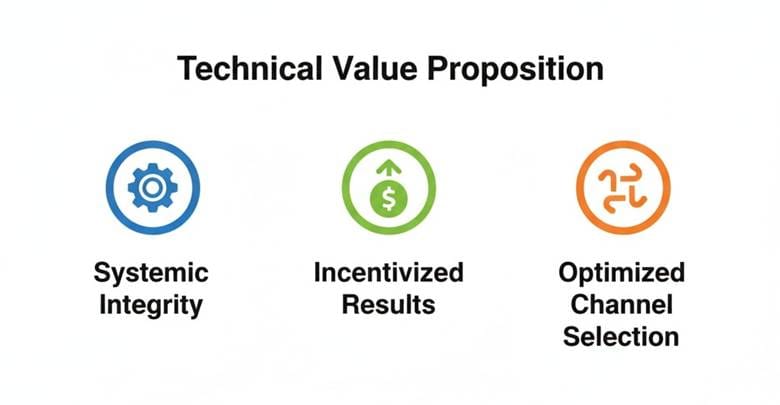
Technical Value Proposition
The Hybrid model provides the most strategically beneficial solution for the B2B sector:
- Systemic Integrity: The base retainer ensures the agency maintains long-term infrastructure (SEO, CRM integration, content pipelines), which is essential for sustained growth.
- Incentivized Results: The performance component keeps the agency focused on conversion metrics, not just activity reports.
- Optimized Channel Selection: It allows the agency to effectively use long-term channels (SEO, ABM) that need time to scale while also running shorter-term, higher-cost channels (Paid Social, Telemarketing) for immediate results.
Selecting Your Strategic Financial Partner
The choice among these models reflects a company’s marketing maturity and risk tolerance. For a company looking for sustainable authority, organic stability, and strong strategic alignment, either the Monthly Retainer or the advanced Hybrid Model is necessary. If the main goal is a quick, high-volume influx of qualified leads with strict cost management, a well-defined Performance-Based contract is better, as long as the lead quality definitions are upheld.
As a technical expert at Sotavento Medios, we support the Hybrid Model. It enables us to use our skills in AI-driven intelligence, localized SEO, and custom ABM to create long-term systems (covered by the base) while ensuring we deliver high-quality, measurable outcomes (covered by the performance bonus).
The real comparison lies not in the financial figures but in which model best supports a strong, strategic partnership.

Jeremy Lee is a seasoned digital marketing director and strategist with over two decades of experience in the industry. As the founder of Sotavento Medios, I manage a diverse portfolio of over 50 businesses, helping brands grow through advanced search strategies and digital innovation. My work focuses on bridging the gap between traditional search engine optimisation and the evolving world of AI-driven answer engines.