The digital marketing landscape in Singapore and the Philippines is dynamic, driven by rapid technological adoption and an increasingly sophisticated consumer base. As businesses in these vibrant economies strive for competitive advantage, understanding the evolving nature of search is paramount. The advent of AI Overviews, set to become a dominant feature of the 2026 search landscape, represents a seismic shift from traditional SEO. This guide provides business decision-makers and technical professionals with a comprehensive, actionable framework to not only adapt but thrive in this new era. We will explore the technical nuances of AI Overviews, offering strategies to optimize content, establish authority, and ensure your brand remains visible and influential across the region. The future of search is here, and proactive optimization is no longer optional; it is a strategic imperative for sustained digital growth.
Understanding the AI Overview Paradigm Shift
Google’s AI Overviews, powered by advanced large language models (LLMs), fundamentally alter how users interact with search results. Instead of simply listing links, AI Overviews synthesize information from multiple sources to provide direct, concise answers at the top of the search engine results page (SERP). For businesses in Singapore and the Philippines, this means the battle for visibility shifts from ranking position to being the authoritative source from which AI Overviews draw their information.
The Mechanics of AI Overviews
AI Overviews leverage sophisticated natural language processing (NLP) and machine learning algorithms to understand user intent with unprecedented accuracy. They go beyond keyword matching, interpreting the semantic meaning of queries to deliver highly relevant summaries. This synthesis often includes snippets from various high-ranking, authoritative websites, effectively creating a curated answer. The challenge for SEO professionals is to ensure their content is not just discoverable by traditional crawlers but also interpretable and trustworthy by these advanced AI systems.
Impact on User Behavior and Traffic
The immediate consequence of AI Overviews is a potential reduction in organic click-through rates (CTR) for traditional blue links, especially for informational queries. Users may find their answers directly within the overview, negating the need to click through to a website. However, this also presents an opportunity: if your content is consistently cited in AI Overviews, it establishes your brand as a leading expert, fostering brand recognition and trust. For businesses targeting the discerning markets of Singapore and the Philippines, this trust is invaluable. The goal is to become a primary source, not just a secondary link.
Technical SEO Strategies for AI Overview Dominance
Optimizing for AI Overviews requires a multi-faceted technical approach that extends beyond traditional keyword stuffing and link building. It demands a focus on content quality, semantic clarity, and robust technical infrastructure.
Enhancing EEAT: Experience, Expertise, Authoritativeness, and Trustworthiness
Google’s emphasis on EEAT (Experience, Expertise, Authoritativeness, Trustworthiness) is more critical than ever. AI Overviews prioritize content from sources that demonstrate clear EEAT. For a B2B digital marketing agency like Sotavento Medios, this means showcasing real-world client successes, publishing in-depth technical analyses, and ensuring all content is factually accurate and well-referenced.
- Experience: Integrate case studies that detail specific challenges faced by businesses in Singapore or the Philippines and how your solutions delivered measurable results. For example, illustrate how a local e-commerce brand increased its conversion rate by 20% through a specific SEO strategy.
- Expertise: Publish articles authored by certified professionals with verifiable credentials. Content should delve into advanced topics using industry-specific terminology, such as discussing the intricacies of schema markup implementation for complex data structures or the application of BERT models in semantic search.
- Authoritativeness: Reference industry standards, frameworks (e.g., ISO standards for data security, specific marketing analytics methodologies), and reputable research. Link to official government reports or economic surveys relevant to the Singaporean and Philippine markets when discussing local trends.
- Trustworthiness: Ensure all data, statistics, and examples are verifiable. Avoid hyperbole or unsubstantiated claims. Implement robust security protocols on your website and maintain transparent privacy policies, signaling a trustworthy digital presence.
Structured Data and Semantic SEO
Structured data, implemented using Schema.org vocabulary, is crucial for helping AI systems understand the context and meaning of your content. By explicitly labeling entities, relationships, and attributes on your web pages, you provide a clear roadmap for AI Overviews to synthesize information accurately.
- Schema Markup Implementation: Prioritize
Articleschema for blog posts,Organizationschema for your business, andFAQPageorHowToschema for content that directly answers common questions or provides step-by-step guides. For instance, a guide on “Implementing Google Analytics 4 for B2B Lead Generation” should utilizeHowToschema to break down each step. - Entity-Based SEO: Move beyond keyword focus to entity optimization. Identify the core entities relevant to your business and industry (e.g., “digital transformation,” “cloud computing,” “SME growth in Southeast Asia”). Create content that thoroughly covers these entities from multiple angles, establishing your site as a comprehensive resource.
- Natural Language Optimization: Write content that flows naturally and answers questions directly. AI Overviews are designed to extract answers from human-like text. Avoid overly complex sentence structures or jargon where simpler, clear language would suffice, while still maintaining technical depth.
Content Architecture and Internal Linking
A well-organized website with a logical content hierarchy and robust internal linking structure signals authority and relevance to AI systems. This helps them crawl and understand the relationships between different pieces of content.
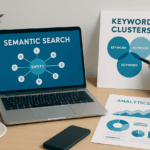
- Topical Clusters: Organize your content into topical clusters around core themes. A “pillar page” on “B2B Digital Marketing Strategies” could link to numerous “cluster content” articles on specific tactics like “Account-Based Marketing in Singapore” or “Leveraging LinkedIn for B2B Leads in the Philippines.”
- Clear Navigation: Ensure your website’s navigation is intuitive and reflects your content hierarchy. This aids both users and AI crawlers in discovering related content.
- Contextual Internal Links: Use descriptive anchor text for internal links that accurately reflect the linked page’s content. This provides additional semantic signals to AI Overviews.
Localizing for Singapore and Philippines Markets
While AI Overviews are global, their effectiveness is enhanced by localized, contextually relevant information. For businesses targeting Singapore and the Philippines, this means integrating local market insights and cultural nuances into your optimization strategy.
Addressing Local Search Intent
User queries in Singapore and the Philippines often have unique characteristics. Understanding these local search intents is crucial. For example, a query about “digital marketing agencies” might implicitly seek agencies with experience in specific local regulations or market dynamics.
- Local Case Studies: Highlight successful projects with businesses operating in Singapore or the Philippines. Detail how your strategies navigated local market challenges, such as specific regulatory environments or consumer preferences.
- Region-Specific Keywords and Phrases: While AI Overviews move beyond exact keywords, understanding the natural language used by local audiences remains vital. Incorporate terms and phrases common in business discourse within these regions.
- Cultural Nuances in Content: Tailor your content to resonate with local business cultures. For instance, in the Philippines, relationship-building and community aspects often play a significant role in B2B interactions. Reflect this understanding in your content’s tone and examples.
Leveraging Local Data and Statistics
Incorporate data and statistics specific to the Singaporean and Philippine economies, industries, and digital adoption rates. This not only enhances EEAT but also makes your content highly relevant to local business decision-makers.
- Economic Reports: Reference reports from the Singapore Department of Statistics, the Philippine Statistics Authority, or regional economic bodies like ASEAN.
- Industry-Specific Trends: Discuss how global trends in AI and digital transformation are manifesting within specific sectors in these countries, such as fintech in Singapore or BPO in the Philippines.
- Local Regulations: Provide insights into how local data privacy laws (e.g., Singapore’s PDPA, Philippines’ DPA) or industry-specific regulations impact digital marketing strategies.
Measuring and Adapting to AI Overview Performance
The dynamic nature of AI Overviews necessitates continuous monitoring and adaptation. Traditional SEO metrics will evolve, and new indicators of success will emerge.
New Metrics for a New Era
Beyond traditional organic traffic and keyword rankings, businesses must track metrics that reflect AI Overview engagement.
- SERP Feature Visibility: Monitor how often your content appears within AI Overviews. Tools that track SERP features will become indispensable.
- Brand Mentions and Citations: Track instances where your brand or content is cited within AI Overviews, even if it doesn’t result in a direct click. This indicates strong brand authority.
- Semantic Relevance Scores: While not directly exposed, understanding how well your content aligns semantically with broad topics and entities will be key. Tools that analyze content for topical depth and entity coverage can provide insights.
Iterative Content Refinement
The process of optimizing for AI Overviews is iterative. Analyze which content pieces are being featured, understand why, and apply those learnings to future content creation.
- A/B Testing Content Formats: Experiment with different content structures, such as detailed guides, FAQ sections, or comparison tables, to see which formats are more readily adopted by AI Overviews.
- Feedback Loop with Analytics: Use analytics to identify gaps in your content that AI Overviews might be filling from competitor sites. Refine existing content to address these gaps comprehensively.
- Staying Current with AI Updates: Google’s AI capabilities will continue to evolve. Regularly review official announcements and industry analyses to understand changes in how AI Overviews are generated and prioritized.
Future-Proofing Your Digital Strategy Beyond 2026
Optimizing for AI Overviews is not a one-time task but an ongoing commitment to digital excellence. The principles of high-quality, authoritative, and user-centric content will remain foundational, even as search technology advances.
Embracing a Holistic Content Strategy
A fragmented approach to content will yield diminishing returns. Businesses need a holistic strategy that integrates SEO, content marketing, and user experience (UX) design.
- Cross-Channel Synergy: Ensure your content strategy supports not only search but also social media, email marketing, and other digital channels. Consistent messaging and brand voice across platforms reinforce your authority.
- Voice Search Optimization: As AI Overviews become more prevalent, voice search will also grow. Optimize content for conversational queries and natural language patterns, anticipating how users might ask questions verbally.
- Building Brand Equity: Ultimately, strong brand equity and direct traffic will serve as a hedge against algorithmic shifts. Focus on creating such compelling value that users seek out your brand directly, regardless of search engine features.
Investing in AI Literacy and Tools
To effectively navigate the AI-driven search landscape, businesses must invest in understanding AI technologies and leveraging AI-powered tools.
- Team Training: Educate your marketing and technical teams on the principles of AI, machine learning, and natural language processing. This fosters a deeper understanding of how AI Overviews function.
- AI-Powered SEO Tools: Utilize advanced SEO platforms that incorporate AI for semantic analysis, content gap identification, and performance monitoring specific to AI Overviews.
- Ethical AI Practices: Ensure your content creation and optimization practices align with ethical AI guidelines, promoting transparency, fairness, and accountability. This builds trust with both users and search engines.
The 2026 search landscape, dominated by AI Overviews, presents both formidable challenges and unprecedented opportunities for businesses in Singapore and the Philippines. By proactively embracing a strategy rooted in enhanced EEAT, sophisticated technical SEO, and deep local market understanding, organizations can position themselves as indispensable sources of information. The shift from mere visibility to authoritative citation demands a strategic pivot, focusing on creating truly valuable, meticulously structured, and contextually rich content. Sotavento Medios stands ready to guide your enterprise through this transformative era, ensuring your digital presence not only adapts but thrives. The future of search is intelligent, and your strategy must be too. Begin your optimization journey today to secure your leadership position in tomorrow’s digital economy.

I am Tricia Huang Mei, an Advertising Partner in Sotavento Medios with over two decades of experience in the Singapore advertising and business sectors. My career is defined by a commitment to driving high-impact marketing campaigns and fostering sustainable growth for the diverse business portfolios I manage.