The digital marketing landscape for B2B businesses in Singapore and the Philippines is undergoing a profound transformation, largely driven by the rapid advancements in Artificial Intelligence (AI). As companies in these dynamic Southeast Asian economies strive for competitive advantage, the strategic integration of AI into their digital marketing efforts is no longer a luxury but a necessity. AI offers unprecedented capabilities, from hyper-personalizing customer journeys to automating complex analytical tasks, allowing B2B marketers to operate with greater efficiency, precision, and impact. This article explores the evolving role of AI in B2B digital marketing, providing actionable strategies tailored for the unique market dynamics and technological adoption rates prevalent in Singapore and the Philippines. We will delve into how AI can redefine engagement, optimize campaigns, and ultimately drive sustainable growth for businesses operating in these vibrant regions.
AI-Powered Data Analytics and Hyper-Personalization in B2B
In the B2B sphere, data is the new currency. AI’s ability to process and interpret vast datasets far surpasses human capacity, offering profound insights into customer behavior, market trends, and predictive analytics. For businesses in Singapore and the Philippines, leveraging AI in data analytics translates directly into more effective marketing strategies and a deeper understanding of their target accounts.
Predictive Analytics for Lead Scoring and Account Prioritization
AI algorithms can analyze historical data, including website interactions, content consumption, email engagement, and CRM records, to predict the likelihood of a lead converting or an account expanding. In the competitive markets of Singapore and the Philippines, where B2B sales cycles can be lengthy and complex, predictive lead scoring allows marketing and sales teams to focus their resources on the most promising prospects. This precision reduces wasted effort and accelerates the sales pipeline. For instance, an AI system might identify that companies in the Philippines with a specific industry classification and recent engagement with whitepapers on cloud security are 30% more likely to request a demo within the next quarter.
Dynamic Content Personalization at Scale
Personalization in B2B goes beyond merely addressing a prospect by name. AI enables dynamic content delivery, where website content, email campaigns, and ad creatives adapt in real-time based on an individual’s past interactions, industry, company size, and position within the buying journey. Imagine a Singaporean procurement manager visiting a software vendor’s website; AI could instantly display case studies relevant to their industry and region, alongside product features that address their specific pain points, all without manual intervention. This level of tailored experience significantly enhances engagement and builds trust, crucial for high-value B2B transactions.
Optimizing Campaign Performance with AI-Driven Insights
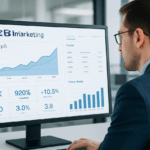
AI tools can continuously monitor campaign performance across various channels, identifying patterns and suggesting optimizations that human analysts might miss. This includes A/B testing variations of ad copy, landing page designs, and call-to-actions, then automatically implementing the best-performing versions. For B2B marketers in the Philippines managing diverse campaigns across different platforms, AI provides a centralized intelligence layer, ensuring that budget allocation is always directed towards the most impactful activities, maximizing ROI.
Automating B2B Content Creation and Distribution
Content remains king in B2B marketing, but the demands for high-quality, relevant, and consistent content can strain resources. AI is emerging as a powerful co-pilot, assisting in content generation, optimization, and strategic distribution.
AI-Assisted Content Generation and Curation
While AI cannot fully replace human creativity and strategic thinking, it can significantly aid in the content creation process. AI writing assistants can generate outlines, draft initial versions of articles, social media posts, or email copy, and even summarize lengthy reports into digestible formats. This frees up B2B content specialists in Singapore to focus on refining messaging, adding unique insights, and ensuring brand voice consistency. Furthermore, AI can curate relevant industry news and research, helping marketers stay abreast of trends and identify content gaps.
SEO Optimization and Keyword Strategy
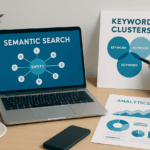
AI-powered SEO tools analyze search trends, competitor strategies, and user intent to identify high-value keywords and content topics. They can also optimize existing content for better search engine rankings by suggesting improvements to readability, keyword density, and internal linking. For B2B companies targeting specific niches in the Philippines, AI can uncover long-tail keywords that attract highly qualified traffic, ensuring their technical content reaches the right audience at the right time.
Intelligent Content Distribution and Promotion
Beyond creation, AI can optimize content distribution. It can determine the best channels, times, and formats to reach specific segments of the target audience. For example, an AI system might recommend promoting a technical whitepaper on LinkedIn during specific hours for decision-makers in Singapore, while suggesting a short video explainer for a different segment on YouTube. This intelligent distribution ensures content achieves maximum visibility and engagement, avoiding the common pitfall of creating excellent content that goes unseen.
Enhancing Customer Experience and Sales Enablement with AI
The B2B customer journey is often complex and requires consistent, high-quality interaction. AI tools are proving invaluable in streamlining customer support, personalizing sales outreach, and providing sales teams with the intelligence they need to close deals more effectively.
AI-Powered Chatbots and Virtual Assistants for B2B Support
Implementing AI-powered chatbots on B2B websites provides instant support for common queries, qualifying leads, and guiding prospects through initial information gathering. These chatbots can operate 24/7, offering immediate responses to potential clients in different time zones across Singapore and the Philippines. For example, a chatbot could answer technical specifications questions, provide pricing tiers, or even schedule a demo with a sales representative, significantly improving response times and customer satisfaction.
Personalized Sales Outreach and Engagement
AI assists sales teams by analyzing prospect data and suggesting personalized outreach messages, optimal contact times, and relevant content to share. This moves beyond generic email blasts to highly targeted communications that resonate with individual prospects. A sales professional in the Philippines, armed with AI-driven insights, can craft an email that references a prospect’s recent company announcement and suggests a solution directly addressing their identified challenges, making the outreach far more impactful.
Sales Forecasting and Performance Optimization
AI models can analyze sales data to provide more accurate forecasts, identify potential bottlenecks in the sales process, and even predict which deals are at risk. This enables B2B sales leaders in Singapore to make data-driven decisions regarding resource allocation, training needs, and strategic adjustments. By understanding future trends and current performance gaps, businesses can proactively optimize their sales strategies and improve overall revenue generation.
Ethical Considerations and Future Trends in AI for B2B
While the benefits of AI in B2B digital marketing are clear, it is crucial for businesses in Singapore and the Philippines to approach its implementation with a strong understanding of ethical implications and an eye towards future developments.
Data Privacy and Compliance in Southeast Asia
As AI relies heavily on data, ensuring compliance with data privacy regulations such as Singapore’s Personal Data Protection Act (PDPA) and the Philippines’ Data Privacy Act of 2012 (DPA) is paramount. B2B marketers must implement robust data governance frameworks, ensure transparent data collection practices, and prioritize the security of sensitive client information. Building trust through ethical data handling is fundamental for long-term success.
Bias in AI Algorithms and Mitigation Strategies
AI algorithms are only as unbiased as the data they are trained on. If historical data contains inherent biases, the AI system may perpetuate or even amplify them, leading to unfair or inaccurate outcomes in lead scoring, content recommendations, or targeting. B2B companies must actively work to identify and mitigate biases in their AI systems through diverse data inputs, regular auditing, and human oversight. This ensures equitable and effective marketing for all target segments.
The Rise of Generative AI and Hyper-Automation
The advent of advanced generative AI models is set to further revolutionize B2B marketing. These models will not only assist in content creation but could potentially generate entire campaign narratives, develop complex ad creatives, and even simulate customer interactions with remarkable realism. Coupled with hyper-automation, which integrates AI with robotic process automation (RPA) and other technologies, B2B marketers can expect even more sophisticated tools for end-to-end campaign management and optimization. Businesses in Singapore and the Philippines that embrace these emerging technologies will be best positioned to lead their respective industries.
Conclusion: Navigating the AI Frontier in B2B Digital Marketing
The integration of AI into B2B digital marketing is not merely a technological upgrade; it represents a fundamental shift in how businesses connect with their customers, generate leads, and drive growth. For companies in Singapore and the Philippines, embracing AI offers a strategic pathway to unlock unprecedented levels of efficiency, personalization, and competitive advantage. From leveraging AI for predictive analytics and dynamic content personalization to automating content creation and enhancing customer experience, the opportunities are vast.
However, success in this evolving landscape demands a balanced approach. While the power of AI is immense, human oversight, ethical considerations, and a deep understanding of local market nuances remain indispensable. B2B marketers must invest in upskilling their teams, establishing robust data governance, and continuously adapting their strategies to harness AI’s full potential responsibly. By doing so, businesses in Singapore and and the Philippines can not only navigate the AI frontier but also redefine what is possible in B2B digital marketing, building stronger relationships and achieving sustainable success in the digital age. The time to integrate AI strategically is now, ensuring your B2B enterprise remains at the forefront of innovation and market leadership.

I am Tricia Huang Mei, an Advertising Partner in Sotavento Medios with over two decades of experience in the Singapore advertising and business sectors. My career is defined by a commitment to driving high-impact marketing campaigns and fostering sustainable growth for the diverse business portfolios I manage.