The digital marketing landscape across Southeast Asia is undergoing a profound transformation, driven by rapid technological advancements, evolving consumer behaviors, and dynamic market conditions. For business decision-makers and technical professionals in Singapore and the Philippines, understanding and adapting to these shifts is not merely an advantage; it is a prerequisite for sustained growth and competitive differentiation. Sotavento Medios, as a B2B Digital Marketing Agency, recognizes the critical need for high-value, technical content that empowers businesses to navigate this complexity.
Singapore, a global financial hub and innovation leader, presents a highly mature digital ecosystem where precision, data-driven strategies, and advanced technological integration are paramount. In contrast, the Philippines, with its burgeoning digital population and mobile-first approach, offers immense growth potential through localized, engaging, and community-centric digital initiatives. This article delves into the evolving digital marketing landscape in these two pivotal markets, offering advanced technical analysis and actionable insights designed to establish thought leadership and drive tangible B2B success.
The Dynamic Digital Landscape in Singapore and the Philippines
Understanding the unique characteristics of Singapore and the Philippines is fundamental to crafting effective digital marketing strategies. While both nations are part of the vibrant Southeast Asian economy, their digital maturity, infrastructure, and user behaviors present distinct opportunities and challenges for B2B enterprises.
Market Nuances and Digital Adoption Rates
Singapore exemplifies a highly connected and digitally sophisticated market. With near-universal internet penetration and a strong emphasis on smart nation initiatives, businesses here operate within an environment where digital solutions are not just accepted but expected. B2B buyers in Singapore are typically well-informed, conduct extensive online research, and value efficiency, data security, and demonstrable ROI. The adoption of advanced technologies such as artificial intelligence, machine learning, and cloud computing is widespread, influencing how B2B services are sought and evaluated.
The Philippines, on the other hand, is characterized by its rapid digital growth and a predominantly mobile-first internet population. Social media penetration is among the highest globally, making platforms like Facebook, Instagram, and LinkedIn crucial for B2B engagement, albeit with a different strategic approach than in Singapore. While digital infrastructure continues to expand, businesses must consider varying levels of connectivity and digital literacy across different regions. The B2B buyer journey in the Philippines often involves a stronger emphasis on relationship building, community trust, and localized content that resonates with cultural nuances.
Key Drivers of Digital Transformation
Several macro trends are accelerating digital transformation in both markets. The global shift towards remote and hybrid work models has amplified the reliance on digital collaboration tools and cloud-based services, directly impacting B2B software and service providers. The e-commerce boom, while often associated with B2C, has also influenced B2B procurement, with buyers increasingly expecting seamless online purchasing experiences and digital self-service options. Furthermore, evolving regulatory frameworks around data privacy and security are reshaping how businesses collect, process, and utilize customer data, demanding a proactive and compliant approach to digital marketing.
Advanced SEO and Content Strategies for B2B in SEA
In a competitive digital environment, traditional SEO and content approaches are no longer sufficient. B2B businesses in Singapore and the Philippines must adopt sophisticated strategies that prioritize authority, relevance, and technical excellence.
Beyond Keywords: Semantic SEO and Topic Clusters
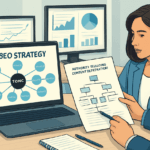
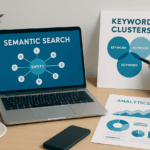
Modern SEO transcends mere keyword density. Search engines like Google now prioritize semantic understanding, evaluating content based on its comprehensive coverage of a topic rather than isolated keywords. For B2B, this means developing robust topic clusters. Instead of creating individual articles around fragmented keywords, businesses should identify core topics relevant to their services (e.g., “cloud security solutions for enterprises”) and then create a pillar page that provides a high-level overview. This pillar page links to multiple cluster content pieces, each delving into specific sub-topics (e.g., “zero-trust architecture,” “data encryption best practices,” “compliance in cloud environments”). This structured approach not only improves search engine visibility by demonstrating deep subject matter expertise but also provides a more valuable and organized experience for the B2B buyer.
Localized Content for Global Impact
While English serves as a primary business language in both Singapore and the Philippines, effective content strategy demands localization beyond simple translation. It involves adapting messaging, examples, and case studies to resonate with local business contexts, cultural sensitivities, and regulatory environments. For instance, a case study on successful digital transformation in a Singaporean fintech company might highlight different pain points and solutions than one tailored for a Philippine manufacturing firm. Utilizing industry-specific terminology common in each market and referencing local business challenges or successes can significantly enhance content relevance and trustworthiness. For the Philippines, incorporating elements that acknowledge the strong community orientation and the importance of personal connections can be particularly effective in content marketing efforts.
Technical SEO for B2B Platforms
The technical foundation of a B2B website is critical for search engine performance. This includes optimizing for Core Web Vitals (loading performance, interactivity, and visual stability), implementing structured data markup (Schema.org) to help search engines understand content context, and ensuring mobile-first indexing compliance. For B2B companies with extensive product catalogs or resource libraries, robust internal linking structures, XML sitemaps, and efficient crawl budget management are essential. A technically sound website ensures that valuable content is discoverable and accessible to target decision-makers, contributing directly to lead generation and brand authority.
Leveraging Data Analytics and AI for Precision Marketing
The sheer volume of data available today presents an unparalleled opportunity for B2B marketers to move beyond broad campaigns to highly personalized, precision-targeted initiatives. Artificial intelligence and advanced analytics are the engines driving this transformation.
Predictive Analytics for B2B Lead Generation
Predictive analytics uses historical data, machine learning algorithms, and statistical modeling to forecast future outcomes. In B2B marketing, this translates to identifying high-value prospects most likely to convert. By analyzing past customer behavior, firmographic data, industry trends, and engagement patterns, businesses can predict which companies in Singapore or the Philippines are most likely to require their services. For instance, a B2B software provider could use predictive analytics to identify companies in Singapore experiencing rapid growth or undergoing digital transformation initiatives, signaling a potential need for scalable solutions. This allows for more efficient allocation of sales and marketing resources, focusing efforts on accounts with the highest propensity to buy.
Personalization at Scale with AI
AI enables B2B marketers to deliver personalized experiences at scale, moving beyond basic segmentation. This includes dynamic website content that adapts based on a visitor’s industry, company size, or past interactions; AI-driven email campaigns that tailor messaging and offers to individual buyer preferences; and personalized ad targeting. For example, an AI-powered content recommendation engine on a B2B website could suggest whitepapers or case studies most relevant to a visitor from a specific industry in the Philippines, based on their browsing history. Implementing such personalization requires careful consideration of data privacy regulations, such as Singapore’s Personal Data Protection Act (PDPA) and the Philippines’ Data Privacy Act (DPA), ensuring transparency and obtaining necessary consent.
Marketing Automation and CRM Integration
Effective B2B marketing relies heavily on integrated systems. Marketing automation platforms, when seamlessly integrated with Customer Relationship Management (CRM) systems, streamline workflows, automate repetitive tasks, and provide a unified view of the customer journey. This integration allows for automated lead nurturing sequences, personalized follow-ups based on engagement triggers, and efficient handover of qualified leads to sales teams. For businesses operating in Singapore and the Philippines, selecting platforms that offer robust integration capabilities and comply with local data residency requirements is crucial. This ensures that every interaction, from initial awareness to post-sale support, is optimized and contributes to a cohesive customer experience.
The Rise of Account-Based Marketing (ABM) and Personalization
Account-Based Marketing (ABM) represents a strategic shift from a broad, lead-centric approach to a highly focused, account-centric methodology. It treats individual target accounts as markets of one, orchestrating personalized campaigns to engage key decision-makers within those organizations.
Implementing ABM in the SEA B2B Context
For B2B companies in Singapore and the Philippines, ABM offers a powerful way to penetrate high-value accounts. The process typically involves identifying a select list of target accounts that align with the ideal customer profile, researching key stakeholders within those accounts, creating highly personalized content and messaging tailored to their specific needs and pain points, and orchestrating multi-channel engagement strategies. In Singapore, where business relationships are often built on trust and long-term partnerships, ABM can facilitate deeper engagement with C-suite executives and technical leads. In the Philippines, where personal connections hold significant weight, ABM can be particularly effective when combined with localized outreach and relationship-building efforts.
Multi-Channel Engagement Strategies
Successful ABM requires a coordinated multi-channel approach. This extends beyond email and website interactions to include personalized LinkedIn outreach, targeted display advertising, virtual events, and even direct mail for high-tier accounts. The goal is to create a consistent and highly relevant experience across all touchpoints, ensuring that the target account receives a unified message that addresses their unique challenges. For example, a B2B cybersecurity firm targeting a specific bank in Singapore might combine personalized email sequences with LinkedIn InMail to key IT decision-makers, followed by a targeted ad campaign showcasing a relevant case study, culminating in an invitation to an exclusive webinar on financial sector security. This integrated approach maximizes impact and accelerates the sales cycle.
Navigating Regulatory Landscapes and Data Privacy
In an increasingly data-driven world, adherence to data privacy regulations is not just a legal obligation but a cornerstone of building trust and demonstrating authoritativeness. Singapore and the Philippines both have robust data protection frameworks that B2B marketers must understand and comply with.
PDPA in Singapore and DPA in the Philippines
Singapore’s Personal Data Protection Act (PDPA) governs the collection, use, and disclosure of personal data. Key principles include consent, purpose limitation, and reasonableness. For B2B marketers, this means obtaining clear consent before collecting personal data, using that data only for the purposes for which consent was given, and ensuring that data collection is reasonable for the intended purpose. The Philippines’ Data Privacy Act (DPA) similarly establishes a framework for protecting personal data, emphasizing lawful processing, transparency, and accountability. Both acts require organizations to implement reasonable security measures to protect personal data from unauthorized access, collection, use, disclosure, copying, modification, disposal, or similar risks.
Building Trust in a Data-Driven World
Compliance with these regulations is paramount. B2B businesses must establish clear and accessible privacy policies, implement robust data governance frameworks, and ensure that all marketing activities, from lead generation to customer relationship management, adhere to these legal requirements. Beyond mere compliance, demonstrating a commitment to data privacy builds trust with clients and prospects. In the B2B context, where long-term relationships are critical, a reputation for ethical data handling can be a significant competitive differentiator. This includes transparent communication about data practices, providing individuals with control over their data, and promptly addressing any privacy concerns. By prioritizing data privacy, businesses not only mitigate legal risks but also strengthen their brand reputation and foster deeper, more trusting client relationships in Singapore and the Philippines.
Conclusion
The digital marketing landscape in Singapore and the Philippines is dynamic, offering immense opportunities for B2B businesses willing to embrace advanced, data-driven, and localized strategies. From moving beyond traditional SEO to leveraging the power of AI for precision marketing, and from implementing sophisticated Account-Based Marketing campaigns to navigating complex data privacy regulations, success hinges on a commitment to continuous adaptation and technical excellence.
Establishing thought leadership in these markets requires a deep understanding of local nuances, a relentless pursuit of data-driven insights, and an unwavering commitment to ethical practices. For business decision-makers and technical professionals seeking to unlock their full potential in Southeast Asia, partnering with a specialized B2B digital marketing agency like Sotavento Medios provides the expertise and strategic guidance necessary to transform challenges into growth opportunities. Embrace the evolution, refine your strategies, and lead your business to unparalleled success in the digital age.

I am Tricia Huang Mei, an Advertising Partner in Sotavento Medios with over two decades of experience in the Singapore advertising and business sectors. My career is defined by a commitment to driving high-impact marketing campaigns and fostering sustainable growth for the diverse business portfolios I manage.