What is Google’s Search Generative Experience and Why it Matters in APAC
For years, the rhythm of search engine optimization has been a familiar one: identify keywords, create content, build links, and climb the ten blue links. That rhythm is now being profoundly disrupted. Google’s Search Generative Experience, or SGE, is not another minor algorithm update; it is a fundamental reimagining of the search engine results page (SERP). It moves Google from a search engine to an answer engine, and this shift has critical implications for businesses in hyper-connected markets like Singapore and the Philippines.
Demystifying SGE: Beyond the Traditional Blue Links
At its core, SGE uses generative artificial intelligence to provide a direct, conversational, and synthesized answer to a user’s query directly at the top of the SERP. This “AI Snapshot” is not just a single featured snippet. It is a comprehensive summary compiled from multiple web sources, complete with images, videos, and links to corroborating pages presented in a carousel. Think of it as a research assistant that reads the top articles for you and presents a consolidated brief.
Key characteristics of SGE include:
- AI-Powered Snapshots: These are detailed, multi-faceted answers that dominate the top of the page, pushing traditional organic listings further down. For a query like “compare enterprise resource planning systems,” SGE might generate a complete comparison table, pulling data from various review sites and vendor pages.
- Conversational Mode: Users can ask follow-up questions in a conversational manner. The AI maintains context from the original query, allowing for a deeper, more interactive discovery process without initiating a new search.
- Integration of Perspectives: SGE often incorporates insights from forums, social media, and discussion boards, bringing a more human, experience-based element to the results.
The primary consequence is that SGE directly answers user intent, especially for informational and top-of-funnel queries. This can intercept the user’s journey before they ever feel the need to click on a traditional organic link, presenting both a significant threat and a new kind of opportunity.
The Singapore and Philippines Context: High Digital Penetration Meets Evolving Search Behavior
The impact of SGE is not uniform globally; it is amplified in markets with high digital maturity. Singapore, with its world-class connectivity and tech-savvy business environment, and the Philippines, one of the most digitally engaged populations in the world, are prime environments for SGE to change user behavior rapidly. Business decision-makers and technical professionals in these regions are already accustomed to seeking complex information online. Their search queries are often nuanced and multi-layered, a perfect use case for a generative AI that can synthesize complex topics. For example, a query like “regulatory requirements for fintech startups in Singapore versus the Philippines” is exactly the kind of complex question SGE is designed to answer in a single, comprehensive snapshot. This means B2B marketers who rely on traffic from long-tail keywords must now compete to be a source for the AI Snapshot itself, not just to rank number one.
The Tectonic Shift: How SGE Disrupts Core SEO Pillars
The introduction of SGE is not an incremental change. It forces a strategic re-evaluation of the foundational pillars of SEO that have guided digital marketing for the last decade. Relying on old tactics is a direct path to diminishing returns and, eventually, invisibility on the SERP.
The Zero-Click Threat is Real: When Snapshots Cannibalize Traffic
The most immediate and tangible impact of SGE is on click-through rates (CTR). When an AI Snapshot provides a comprehensive and satisfying answer, the user’s need to click through to a website is significantly reduced. This “zero-click” phenomenon is particularly potent for informational queries that form the top and middle of the marketing funnel. Consider a B2B technology buyer in Manila searching for “benefits of migrating to a cloud-native architecture.” SGE can generate a clean, bulleted list of benefits, key considerations, and potential challenges. The user gets their answer and moves on, never visiting the websites from which the information was sourced. This means that content designed purely for brand awareness and lead generation through organic traffic is now at risk. Your website’s value proposition must shift from simply providing information to offering a unique tool, an interactive experience, or proprietary data that the AI Snapshot cannot replicate.
Keyword Strategy Reimagined: From Keywords to Concepts and Intent
The era of targeting specific, high-volume keywords with precision-matched content is closing. SGE’s underlying language models are built to understand context, semantics, and user intent, not just keyword strings. This necessitates a strategic pivot:
- From Keywords to Topic Clusters: Instead of focusing on a single keyword like “cybersecurity solutions Philippines,” the goal is to establish topical authority around the entire concept of “cybersecurity for Philippine enterprises.” This involves creating a comprehensive pillar page supported by a cluster of content assets that address every conceivable question: “data privacy laws in the Philippines,” “cost of cybersecurity audit in Manila,” “top ransomware threats to SMEs,” and so on.
- Embracing Conversational Queries: Content must be structured to answer the questions that business professionals actually ask. This means optimizing for long-tail, conversational queries that mimic natural language. Use tools to find “People Also Ask” questions and build entire content sections around providing the best, most direct answers.
Your content must be the definitive resource on a subject, so thorough and well-structured that Google’s AI views it as a primary source of truth worth citing in its generated answers.
The New SERP Landscape: Visuals, Videos, and Diverse Perspectives
SGE does not just generate text. AI Snapshots are a rich, multimedia experience, often embedding videos, high-quality images, and product carousels. Furthermore, Google is actively integrating a “Perspectives” filter and incorporating forum discussions from platforms like Reddit and Quora into results. For B2B marketers in Singapore and the Philippines, this means a purely text-based content strategy is no longer sufficient. To be featured, you must diversify your content portfolio. A detailed blog post about implementing a new software solution should be accompanied by a video tutorial, an infographic summarizing the benefits, and perhaps a case study. Your subject matter experts should be participating in relevant industry forums, as their insights could be directly pulled into the SERP as a valuable “perspective.”
Future-Proofing Your SEO: An Actionable Framework for SG & PH Businesses
Adapting to the SGE era requires more than just minor tactical adjustments. It demands a renewed commitment to quality, authority, and a structured, multi-format content strategy. Here is an actionable framework to guide your transition.
Double Down on E-E-A-T: Your Ultimate SGE Differentiator
Google’s quality guidelines have long emphasized Expertise, Experience, Authoritativeness, and Trustworthiness (E-E-A-T). In an AI-driven search world, these principles are no longer just guidelines; they are the primary mechanism for differentiation. SGE will prioritize sources it deems highly credible. To build this credibility, you must:
- Showcase Demonstrable Expertise: Create detailed author biographies for your content creators, highlighting their credentials, industry experience, and qualifications.
- Provide First-Hand Experience: Move beyond theoretical articles. Develop in-depth case studies, share proprietary data, and document real-world project outcomes. Content that says “we did this and here’s what we learned” is infinitely more valuable than content that says “here is what you should do.”
- Build Authoritativeness: Secure guest posts on respected industry publications in Singapore and the Philippines. Actively pursue speaking engagements and webinars. Ensure your company and its experts are cited as authoritative sources across the web.
- Guarantee Trustworthiness: Be transparent. Cite all data sources, link to original research, and ensure your website is secure (HTTPS). Clear contact information and company policies are table stakes for trust.
Content Strategy for the AI Era: Building Comprehensive Topical Authority
Your goal is to make your website an indispensable resource on your core topics. This means shifting from a scattered blog post strategy to a structured, hub-and-spoke model. Create pillar pages that offer a comprehensive overview of a broad topic and surround them with cluster pages that dive deep into specific sub-topics. Structure your content for machine readability. Use clear, descriptive headings (H2s, H3s), bulleted lists, and tables. Implement FAQ schema on pages that answer common questions. This formatting makes it easy for AI to parse your content and repurpose it for an AI Snapshot, with your site potentially cited as a source.
Technical SEO is Non-Negotiable: Structuring Data for AI
If E-E-A-T is the quality signal, then structured data (Schema markup) is the technical signal that ensures search engines understand your content’s context. For B2B businesses, specific schema types are crucial:
- Organization Schema: Clearly identifies your business, logo, location, and contact information.
- Article Schema: Defines the author, publication date, and headline, reinforcing expertise and timeliness.
- FAQPage Schema: Marks up questions and answers, making you eligible for rich snippets and direct inclusion in SGE answers.
- VideoObject Schema: Provides context for your video content, increasing its visibility within the multimedia elements of SGE.
Properly implemented structured data is no longer a “nice to have.” It is a foundational element of technical SEO that directly influences how AI systems interpret and prioritize your content.
From Adaptation to Advantage: Your Next Steps in the SGE Era
The rollout of Google’s Search Generative Experience represents a critical inflection point for digital marketing in Southeast Asia. Businesses in Singapore and the Philippines that cling to outdated SEO tactics focused on keyword density and ranking positions will see their visibility and traffic steadily decline. The future of organic search is not about tricking an algorithm; it is about providing such undeniable value that both humans and AI recognize your authority.
The path forward involves a strategic, integrated approach. You must commit to creating genuinely expert-driven content backed by real-world experience. You must structure this content not just for human readers but for AI comprehension through robust technical SEO. And you must build your brand’s authority not just on your own website, but across the entire digital ecosystem.
This transition can be complex, but the opportunity is immense. By embracing this new reality, you can position your organization as a leading voice, a trusted source, and the definitive answer in your industry. The time to evolve your SEO strategy is now. The alternative is to become a footnote in a conversation conducted by an AI that no longer needs your website.
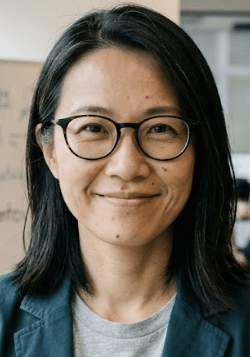
I am Tricia Huang Mei, an Advertising Partner in Sotavento Medios with over two decades of experience in the Singapore advertising and business sectors. My career is defined by a commitment to driving high-impact marketing campaigns and fostering sustainable growth for the diverse business portfolios I manage.